Posts tagged with: Zero Down Car Finance
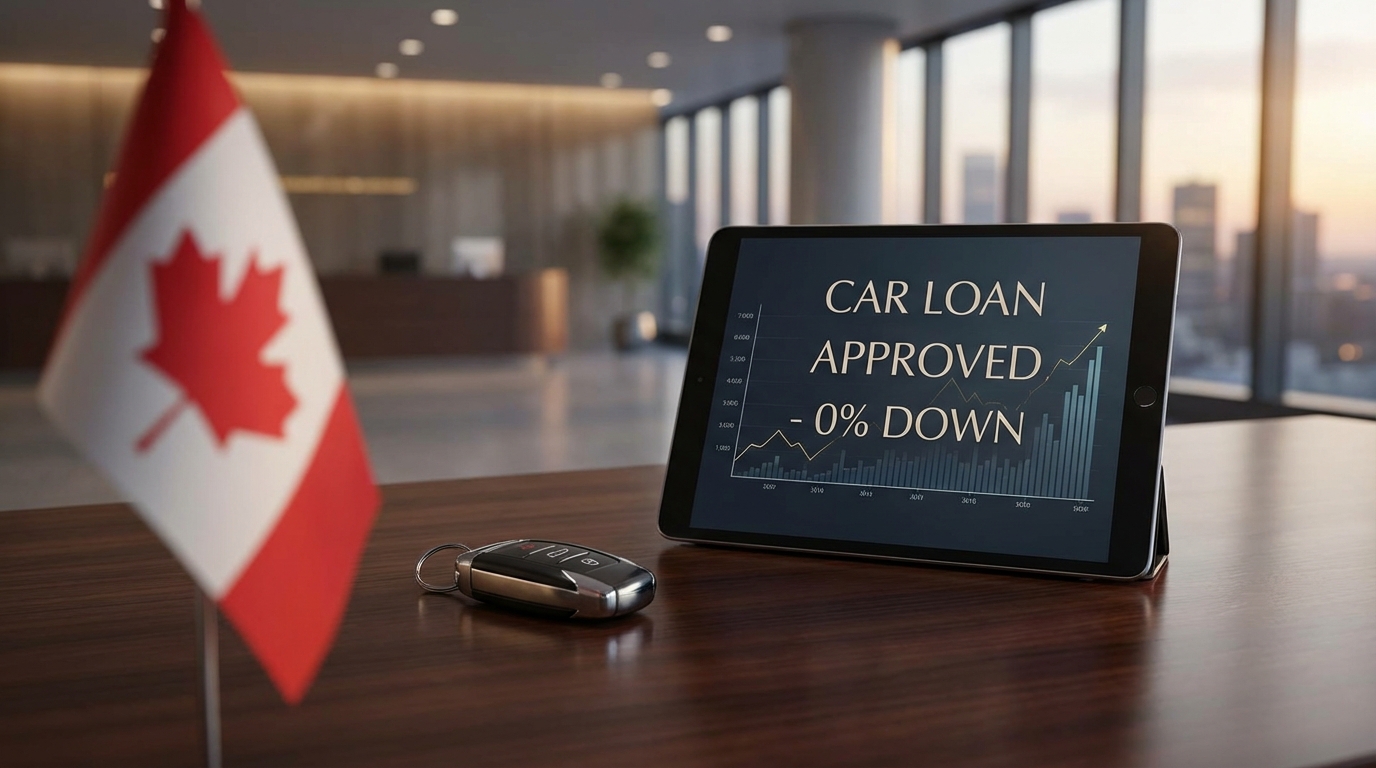
Your Down Payment Just Called In Sick. Get Your Ca...
Wondering where to get a car loan after bankruptcy zero down? We specialize in approvals for Canadia...
So, you're eyeing a new set of wheels but the thought of a hefty down payment is making your wallet wince? You're not alone. Zero down car finance is a popular option in Canada, letting you get into a car without putting any cash down upfront. It sounds appealing, right? Let's dive into what it really means for your finances.
What Exactly is "Zero Down" Car Finance?
Simply put, 'zero down' means you don't pay any money out of your pocket when you sign the papers to buy your car. Instead of contributing a lump sum upfront, the entire purchase price of the vehicle - including applicable taxes like GST/HST/PST, and sometimes even additional fees - is rolled into your car loan. So, the lender finances 100% (or more) of the car's value.
The Appeal: Why Canadians Choose Zero Down
- Immediate Access: You can drive away in your desired vehicle much sooner, without waiting months or years to save up a substantial down payment.
- Preserve Cash: Keep your savings for other important things - an emergency fund, home renovations, or investments. Life happens, and having liquid cash is always a good idea.
- Credit Building: For those looking to establish or improve their credit history, a zero-down loan (if managed responsibly with on-time payments) can be a stepping stone.
The Realities: What to Consider Before You Commit
While the idea of no upfront cash is attractive, it's crucial to understand the full picture. Zero down doesn't mean "free" money; it just means you're borrowing more.
- Higher Monthly Payments: Since you're borrowing the entire cost of the car, your principal loan amount is larger. This naturally leads to higher monthly payments compared to if you had made a down payment.
- More Interest Paid: A larger loan amount means you'll pay more in interest over the life of the loan. Even a slightly higher interest rate compounded over a longer term can add up significantly.
- Negative Equity Risk: Cars start depreciating the moment you drive them off the lot. With a zero-down loan, you're immediately "underwater" - meaning you owe more on the car than it's worth. If you need to sell the car early, you might have to pay out of pocket to cover the difference.
- Qualification Hurdles: Lenders see zero-down loans as higher risk. To qualify, you'll generally need a stronger credit score and a stable income to demonstrate you can handle the higher payments.
Who Can Qualify for Zero Down Car Finance?
Lenders look for a few key things when considering a zero-down application:
- Strong Credit Score: Generally, a good to excellent credit score (think 650+ on the FICO scale, which is common in Canada) shows lenders you're a reliable borrower.
- Stable Income: You'll need to demonstrate consistent employment and sufficient income to comfortably cover the higher monthly payments, along with your other financial obligations.
- Low Debt-to-Income Ratio: Lenders want to see that your existing debt isn't too high compared to your income.
- Vehicle Choice: Sometimes, the type of vehicle can influence eligibility. Newer, more reliable vehicles might be seen as less risky.
Is Zero Down the Right Choice For You?
It really depends on your personal financial situation and goals. Consider these questions:
- Do you have an emergency fund already saved up?
- Can you comfortably afford the higher monthly payments without stretching your budget thin?
- Are you planning to keep the car for the full loan term, or longer?
- Is your credit score solid enough to secure a favourable interest rate?
If you're unsure, or if your credit isn't perfect, putting even a small down payment (even 5-10%) can significantly improve your chances of approval, reduce your monthly payments, and save you money on interest in the long run.
Making Zero Down Work For You (If It's Your Path)
If zero down aligns with your current needs, here are some tips to make it a smart move:
- Shop Around for Rates: Don't just take the first offer. Compare interest rates from different lenders to find the best deal.
- Keep the Loan Term Shorter: While a longer term means lower monthly payments, it also means more interest. Aim for the shortest term you can comfortably afford to minimize total interest paid.
- Understand All Costs: Make sure you know exactly what's being financed - not just the car, but also taxes, extended warranties, or other add-ons.
- Budget Carefully: Factor in not just your car payment, but also insurance, fuel, maintenance, and potential future repairs.
- Consider Gap Insurance: Given the immediate negative equity, Gap (Guaranteed Asset Protection) insurance can be a wise investment. It covers the difference between what you owe on the car and its actual cash value if it's stolen or totalled.
Zero down car finance can be a fantastic tool for many Canadians to get into a vehicle when cash is tight. Just remember to weigh the convenience against the long-term financial implications. Do your homework, understand the terms, and choose what makes the most sense for your unique situation.
