Posts tagged with: Business For Self Car Loan
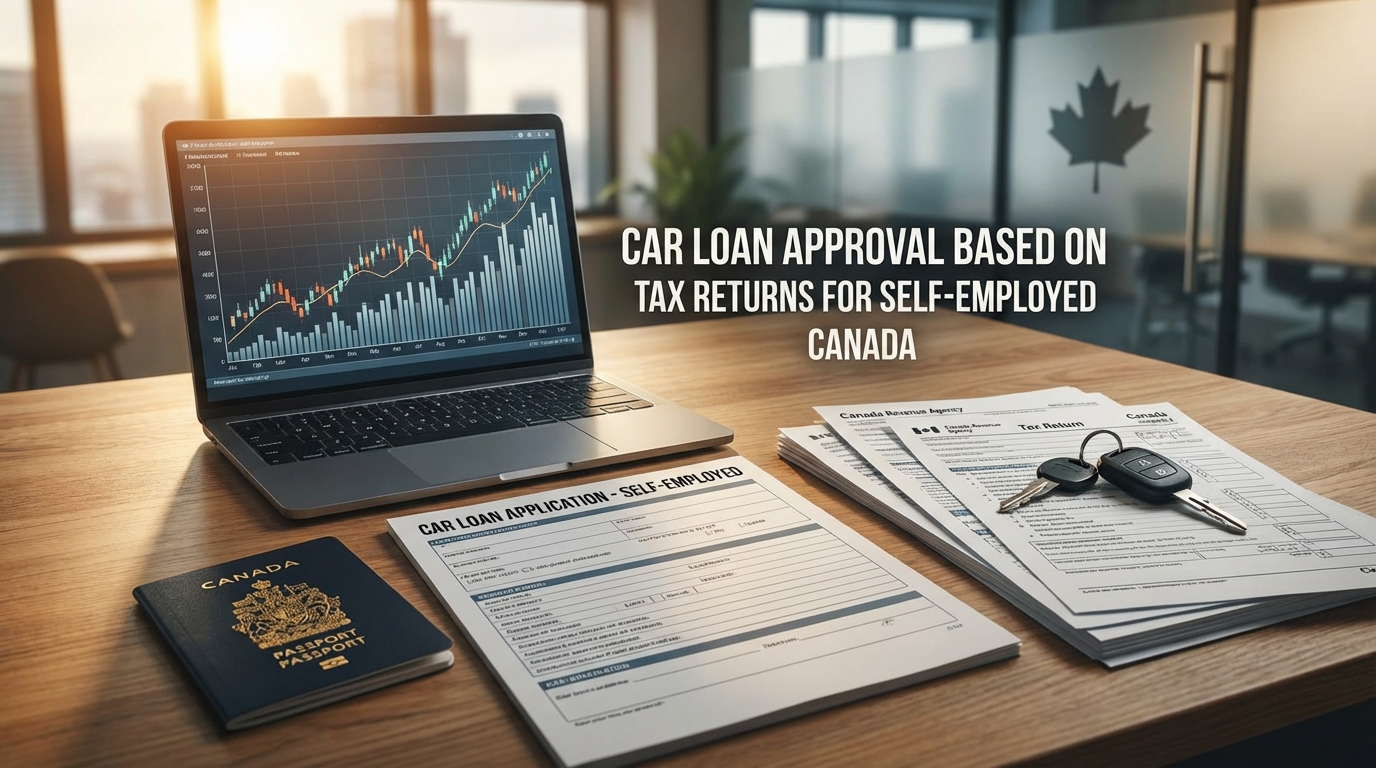
Tax Return Car Loan: Self-Employed Approval Canada...
Self-employed in Canada? Stop proving your income with pay stubs. Our car loan approval is based on...

No Income History? That's Your Car Loan Approval....
Think no income history means no car loan? Think again! SkipCarDealer.com specializes in car loans f...
Getting a Car Loan When You're the Boss
Being self-employed in Canada comes with a lot of freedom, but it can make some financial tasks, like getting a car loan, feel a bit more complicated. Traditional lenders love the predictability of a T4 pay stub. When you're the one signing the cheques, you have to prove your income in a different way. But don't worry-it's absolutely possible to get approved for a car loan. You just need to be prepared.
Why Is It Different for the Self-Employed?
It all comes down to risk. A lender's main goal is to confirm you can consistently make your payments. A steady paycheque from an employer is the simplest way for them to see that. Self-employed income can fluctuate from month to month or season to season, which can make lenders a bit more cautious.
To get comfortable, they need a clearer, more detailed picture of your financial health over a longer period. They aren't trying to make your life difficult; they're just doing their due diligence to ensure the loan is a good fit for both you and them.
What Lenders Look For in a Self-Employed Applicant
When assessing your application, lenders are trying to build a story of financial stability. Here's what they focus on:
- A Strong Income History: Lenders typically want to see at least two years of consistent earnings. This shows that your business is established and not just a temporary gig.
- A Good Credit Score: Your credit score is a snapshot of your reliability as a borrower. A higher score helps offset the perceived risk of a variable income.
- A Healthy Down Payment: Putting more money down reduces the amount you need to borrow. This lowers the lender's risk and shows them you have cash reserves and financial discipline.
- Low Debt-to-Income Ratio: Lenders will look at your total monthly debt payments (including the potential new car loan) compared to your average monthly income. A lower ratio indicates you can comfortably handle a new payment.
The Key Documents You'll Need to Prepare
Being organized is your biggest advantage. Having your paperwork in order before you even start looking at cars will make the process incredibly smooth. Here's your checklist:
- Notice of Assessment (NOA): This is the most important document. You'll need your NOAs from the Canada Revenue Agency (CRA) for the last two consecutive years. This is the official proof of the income you've declared.
- T1 General Tax Forms: Your complete personal tax returns for the same two years provide the detailed breakdown behind your NOA figures.
- Business Registration or Articles of Incorporation: This proves your business is legitimate and registered correctly.
- Bank Statements: Be prepared to provide 3 to 6 months of both personal and business bank statements. This helps show your current cash flow and financial habits.
- Proof of Down Payment: A statement from your bank account showing you have the funds available for your down payment.
Tips for a Smoother Approval Process
Want to increase your chances of getting a 'yes' without any hassle? Follow these tips.
1. Keep Business and Personal Finances Separate: If you're still running business income through your personal chequing account, stop. A dedicated business account makes it much easier for lenders (and your accountant) to clearly see your business revenue.
2. Know Your Credit Score: Check your credit score before you apply. If it's lower than you'd like, take some time to pay down balances and ensure all payments are made on time to help boost it.
3. Save a Larger Down Payment: While you can get loans with little to no money down, a substantial down payment (10-20% or more) makes you a much more attractive applicant. It lowers your monthly payment and shows financial strength.
4. Consider a Co-Signer: If your business is relatively new (less than two years old) or your credit is still being built, applying with a co-signer who has a strong credit history and stable income can be a great option.
Getting a car loan when you're self-employed isn't about clearing impossible hurdles. It's simply about providing a clear and accurate picture of your financial success. With the right documents and preparation, you can prove you're a reliable borrower and get behind the wheel of the vehicle you need.
