Posts tagged with: Car Loan Application For International Students Ontario
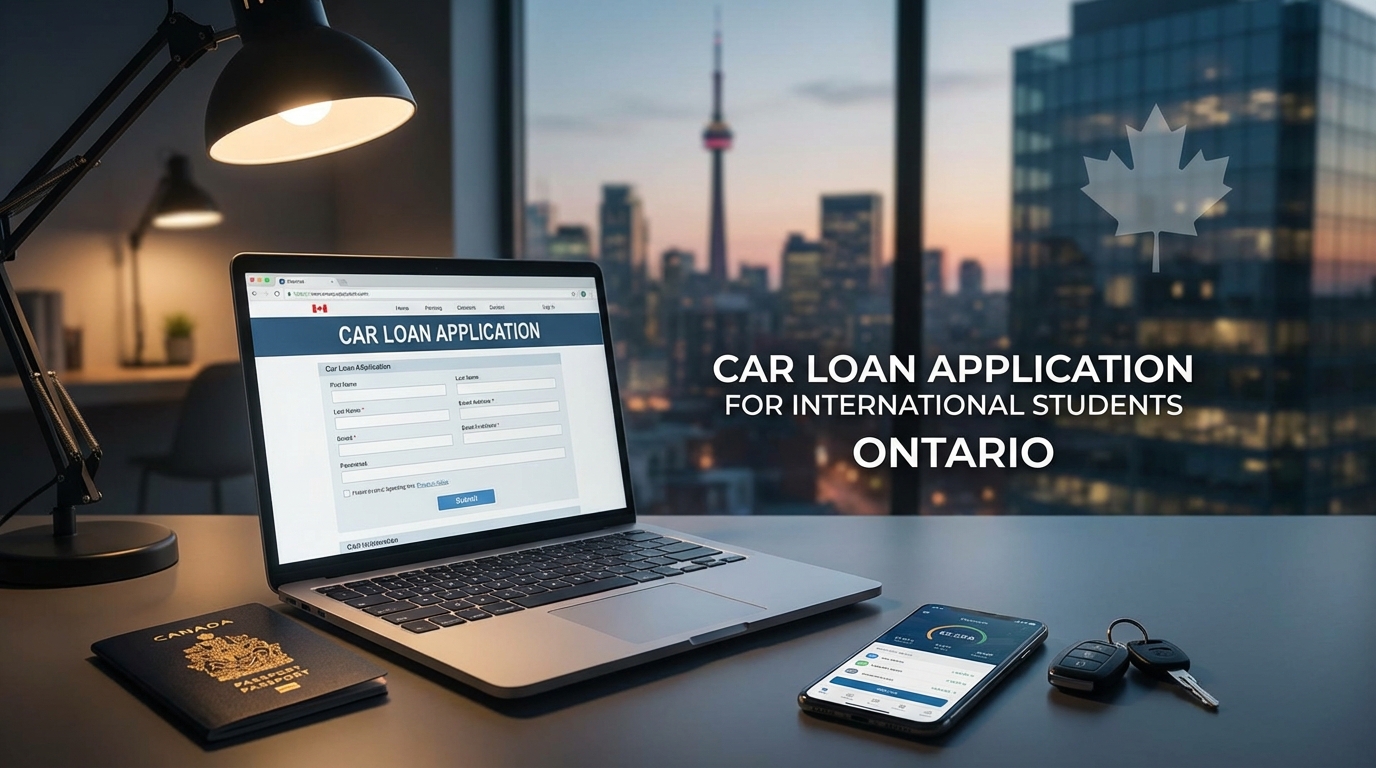
Approval Secrets: How International Students Get C...
Studying in Ontario? Discover how to secure a car loan on a study permit. Learn the approval secrets...
International Student in Ontario? How to Get Approved for a Car Loan
So, you've landed in Ontario, settled into your studies, and now you're realizing how much easier life would be with your own set of wheels. Getting a car loan as an international student in Canada, especially in a bustling province like Ontario, can seem like a bit of a maze. We get it - you're new to the country, might not have a credit history here, and figuring out the financial system can be a lot. But don't worry, it's absolutely possible, and we're here to help you navigate it.
Lenders in Canada look for a few key things: stability, ability to repay, and a track record of responsible borrowing (your credit history). For international students, these can be unique challenges, but they're not roadblocks if you know how to approach them.
Understanding the Challenges (and How to Tackle Them)
The main hurdles international students face when applying for a car loan typically revolve around these three points:
- Lack of Canadian Credit History: This is usually the biggest one. Without a history of borrowing and repaying in Canada, lenders have less to go on to assess your risk.
- Proof of Income: While you might have funds from home or a part-time job, lenders need to see a consistent, verifiable income source that proves you can afford the monthly payments.
- Residency Status: Your study permit has an expiry date, and lenders want to ensure your loan term doesn't extend far beyond your legal stay in Canada.
But here's the good news: many lenders and dealerships understand these unique circumstances and have programs designed to help international students get approved.
What Lenders Look For (and How to Prepare)
When you apply for a car loan, here's what lenders will typically want to see:
1. Valid Study Permit and Passport
This is foundational. Your study permit needs to be valid for a significant portion, if not the entirety, of the loan term. Generally, the longer your permit is valid, the better your chances. Make sure your passport is also current.
2. Proof of Income
Lenders need to be confident you can make your payments. This could include:
- Employment Letters: If you have a part-time job in Ontario, an official letter from your employer stating your position, hours, and pay rate is crucial.
- Bank Statements: Show consistent deposits from your job or evidence of substantial funds in a Canadian bank account (or even an overseas account, though a Canadian one is preferred).
- Scholarship/Stipend Letters: If you receive financial aid for your studies, provide official documentation.
- Proof of Overseas Funds: Some lenders might consider funds transferred from an overseas account, especially if it demonstrates a strong financial backing.
3. Down Payment
A solid down payment can significantly boost your application. It reduces the amount you need to borrow, which lowers the lender's risk. Aim for at least 10-20% of the car's price, if possible. The more you put down, the better your chances and potentially better interest rates.
4. Canadian Bank Account
Having an active Canadian bank account demonstrates stability and makes it easier for lenders to set up automatic payments, which they prefer.
5. Co-Signer (Optional, but Highly Recommended)
If you have a Canadian resident (a parent, guardian, or close family friend) with good credit history who is willing to co-sign the loan, it can dramatically improve your approval chances and secure a lower interest rate. A co-signer essentially guarantees the loan if you're unable to pay.
6. Building Canadian Credit (Before You Apply)
While you might not have a long credit history, you can start building one. This shows lenders you're responsible with money:
- Get a Secured Credit Card: You put down a deposit, which becomes your credit limit. Use it for small, regular purchases and pay it off in full every month. This is a fantastic way to build credit.
- Pay Your Bills On Time: If you have a phone plan or other recurring bills in your name, make sure you pay them promptly.
- Open a Canadian Bank Account: As mentioned, this is a basic step towards financial establishment.
The Application Process: What to Expect
When you're ready to apply, here's a general idea of the steps:
- Gather Your Documents: Have your passport, study permit, proof of enrolment, bank statements, employment letters, and any other financial documents ready.
- Determine Your Budget: Don't just think about the car payment. Factor in insurance (which can be high for new drivers and international students), fuel, maintenance, and parking.
- Explore Your Options: Speak to dealerships that have experience working with international students. Many have relationships with lenders who specialize in these situations.
- Be Transparent: Clearly explain your situation to the finance manager. They are there to help you find solutions.
- Review the Offer: Carefully read the loan terms, interest rate, and total cost before signing anything. Don't be afraid to ask questions.
Important Considerations for International Students
- Interest Rates: Without a strong Canadian credit history or a co-signer, your interest rate might be higher initially. Focus on making timely payments to build your credit, which can lead to better rates on future loans.
- Car Insurance: This is a big one in Ontario. Insurance premiums can be quite expensive, especially for new drivers or those without a long driving history in Canada. Get quotes before you commit to a car loan.
- Loan Term: Try to match your loan term with the duration of your study permit if possible, or ensure you have a clear plan for repayment should your stay be extended.
Getting a car loan as an international student in Ontario might require a bit more legwork, but it's definitely achievable. By understanding what lenders need, preparing your documents, and proactively building your financial profile, you can drive away in your own car sooner than you think. Good luck, and happy driving!
