Posts tagged with: Get A Car During Bankruptcy
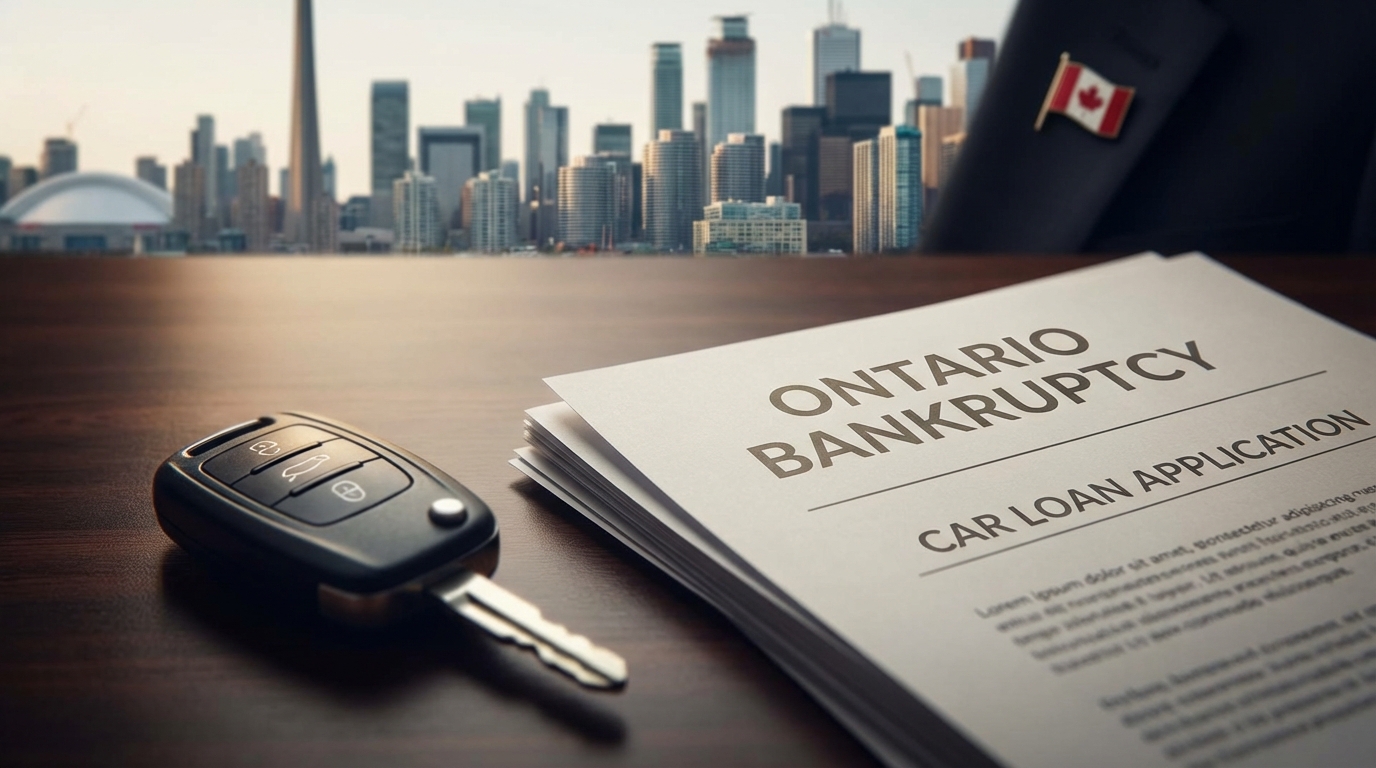
2026 Car Loan During Bankruptcy Ontario | Yes, It'...
Navigating an active bankruptcy in Ontario? Securing a car loan is possible. Discover our proven 202...
Finding out you need a car while going through bankruptcy can feel like an impossible situation. The stress is already high, and now you have to figure out transportation. The good news is, it's not impossible. You absolutely can get a car loan during bankruptcy in Canada, but the process is a little different from a standard loan.
Let's walk through what you need to know, step by step, without any confusing jargon.
First, Let's Talk to Your Trustee
Before you even start looking at vehicles, the most important person you need to speak with is your Licensed Insolvency Trustee (LIT). In Canada, your trustee oversees your bankruptcy process. They need to approve any new debt you take on, including a car loan.
Why? Because they need to ensure the new loan payment won't interfere with your ability to fulfill your obligations under the bankruptcy. Your trustee isn't there to stop you; they're there to make sure your financial recovery stays on track. Getting their permission first is a non-negotiable step.
How a Bankruptcy Car Loan Works
When you're in bankruptcy, traditional lenders like the big banks will almost certainly turn down your application. Your credit score is at its lowest, and you represent a high risk in their eyes.
This is where specialized lenders come in. These are financial institutions that focus on helping people in unique credit situations, including bankruptcy and consumer proposals. They understand your circumstances and have approval processes designed for you.
Because the risk is higher for them, you can expect two things:
- Higher Interest Rates: The interest rate on your loan will be higher than for someone with good credit. This is how lenders offset the risk.
- Focus on Your Income: Lenders will care less about your credit score and more about your current ability to pay. They'll look closely at your job stability and income to ensure you can afford the monthly payments.
Your Step-by-Step Guide to Getting a Car
Navigating the process is straightforward when you know the steps. Here's how to approach it:
- Get Trustee Approval: As mentioned, this is your first move. Get written permission from your Licensed Insolvency Trustee to obtain a car loan.
- Gather Your Documents: You'll need to prove your financial stability. Get these papers ready:
- Proof of income (recent pay stubs or a letter of employment)
- Proof of residence (a recent utility bill)
- A valid Canadian driver's licence
- A void cheque or direct deposit form for your bank account
- Your bankruptcy paperwork and trustee's contact information
- Work with the Right Dealership: Not all dealerships have access to the specialized lenders who approve bankruptcy car loans. Working with a network like SkipCarDealer connects you directly with finance experts and dealer partners who know exactly how to handle your application and get it approved.
- Get Pre-Approved: A pre-approval tells you exactly how much you can afford to borrow. This is a huge advantage, as it lets you shop for a vehicle with a firm budget in mind, preventing you from getting your hopes set on a car that's out of reach.
- Choose a Practical Vehicle: The goal is to secure reliable transportation that fits your budget. This is the time for a dependable and affordable car, not a luxury vehicle. A practical choice makes your payments more manageable and shows financial responsibility.
A Car Loan is a Powerful Credit Rebuilding Tool
Getting a car loan during bankruptcy isn't just about solving a transportation problem-it's one of the best ways to start rebuilding your financial life. This is often called 'post-bankruptcy credit'.
Every on-time payment you make is reported to Canada's credit bureaus, Equifax and TransUnion. This creates a new history of positive payments, proving to future lenders that you are a responsible borrower. By the time you are discharged from bankruptcy, you will already have a head start on repairing your credit score, opening up doors to better financial opportunities down the road.
Facing bankruptcy is tough, but it's a temporary chapter. Securing the vehicle you need to get to work and manage your life is a critical step forward, and it's more achievable than you might think.
