Posts tagged with: Vintage Car Loans
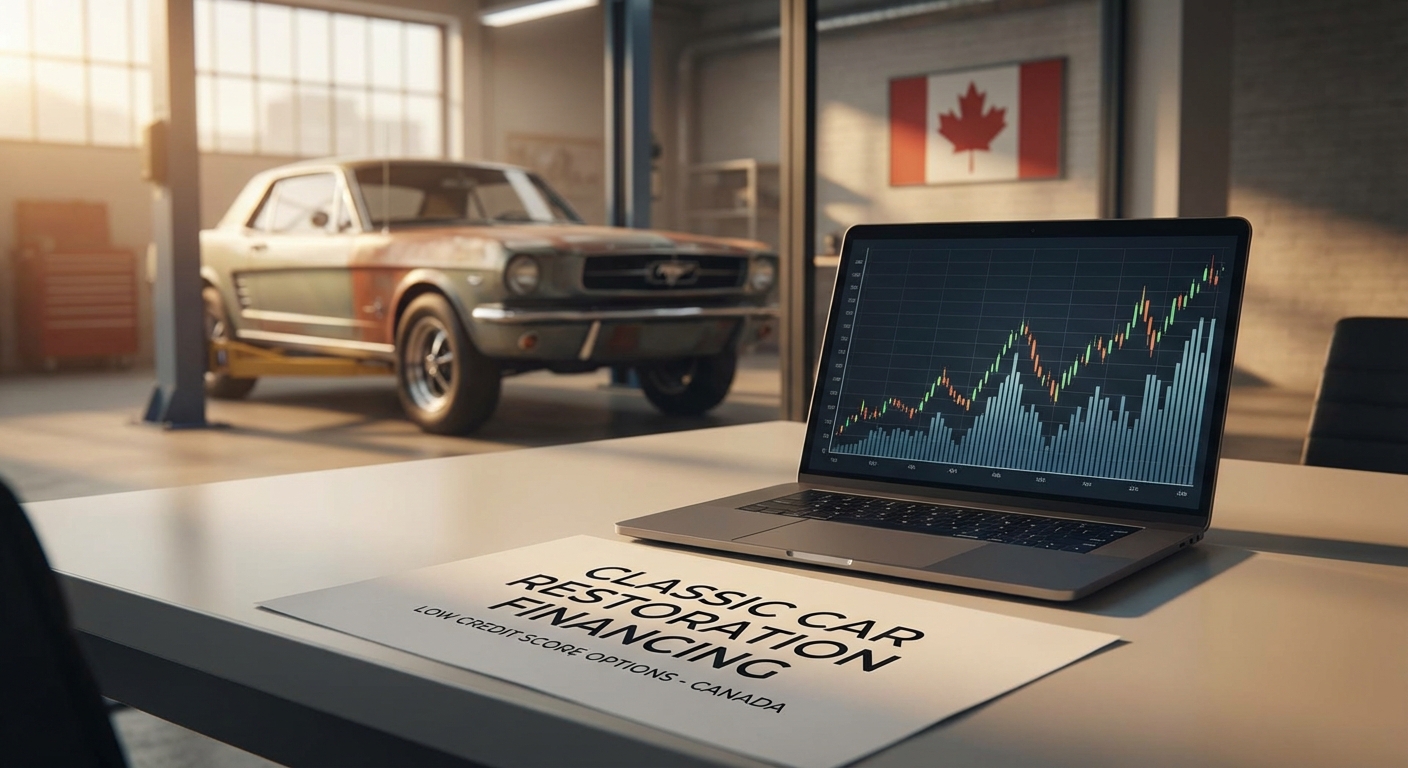
That '69 Charger & Your Low Credit? We See a Futur...
Don't let a low credit score stop your dream. We offer specialized classic car restoration financing...
Financing Your Classic Ride: A Canadian Guide to Vintage Car Loans
So, you've been dreaming of cruising in a classic Mustang, a vintage Beetle, or perhaps a charming old pickup truck. That's fantastic! But when it comes to financing that piece of automotive history, it's a little different from a regular car loan. Here in Canada, getting a loan for a vintage vehicle has its own unique flavour, and we're here to help you navigate it.
What Makes Vintage Car Loans Different?
Unlike a brand-new car that typically starts losing value the moment it drives off the lot, many vintage cars are considered appreciating assets - meaning they can actually go up in value over time. This fundamental difference affects how lenders view and structure loans for them.
- Asset Value: Lenders see a classic car not just as transportation, but often as a collectible investment.
- Specialized Lenders: While your local bank might offer a personal loan, many traditional auto lenders aren't set up for the nuances of vintage vehicle valuation. You'll often find better options with specialized classic car finance companies or even some credit unions.
- Appraisals are Key: For a vintage car, an independent appraisal isn't just a good idea; it's usually mandatory. This ensures the lender knows the true market value of the vehicle they're financing.
Finding the Right Lender in Canada
Don't just walk into your everyday bank expecting them to understand the nuances of a 1969 Camaro. Here's where to look:
- Specialized Classic Car Lenders: These companies focus solely on vintage and collector vehicles. They understand the market, the appraisal process, and the unique insurance requirements. They often have more flexible terms tailored to these kinds of purchases.
- Credit Unions: Some credit unions are more flexible than large banks and might have specific programs or be willing to work with you on a personal loan secured by the vehicle, especially if you have a strong relationship with them.
- Personal Loans: If the vintage car isn't extremely expensive, a personal loan from a bank or credit union might be an option. However, these often come with higher interest rates and shorter terms than a dedicated auto loan.
- Dealership Financing: If you're buying from a reputable classic car dealership, they often have established relationships with lenders who specialize in vintage vehicles.
Credit Score and Building Your Financial Future
Just like any other loan, your credit score plays a significant role in securing a vintage car loan and determining your interest rate. A strong credit history shows lenders you're a reliable borrower.
- Good Credit for Better Rates: The better your credit score, the lower your interest rate will likely be, saving you a considerable amount over the life of the loan.
- Building Credit: A vintage car loan, when managed responsibly, can be an excellent way to build or improve your credit score. Making consistent, on-time payments demonstrates financial discipline, which is valuable for future borrowing.
- Credit History Matters: Lenders will look at your payment history, how much debt you currently have, and the length of your credit history.
Down Payments, Interest Rates, and Terms
Expect to put down a solid down payment on a vintage car. Lenders often prefer a larger down payment for these types of vehicles, sometimes 10-20% or even more, as it reduces their risk.
- Interest Rates: While sometimes slightly higher than a new car loan, specialized vintage car lenders can offer competitive rates. These rates will vary based on your credit score, the car's value, and the loan term.
- Loan Terms: Terms can range from a few years up to 10 or 12 years, depending on the lender and the value of the vehicle. Longer terms mean lower monthly payments but more interest paid over time.
Beyond the Loan: Appraisals, Inspections, and Insurance
Securing the loan is just one piece of the puzzle. For vintage cars, a few extra steps are critical:
- Professional Appraisal: As mentioned, this is often a must. An accredited appraiser will assess the car's condition, originality, rarity, and market value.
- Pre-Purchase Inspection: Even with an appraisal, always get a thorough mechanical inspection from a trusted, independent mechanic familiar with classic cars. You want to know what you're truly buying.
- Classic Car Insurance: Standard auto insurance policies typically won't cut it for a vintage vehicle. You'll need specialized classic car insurance that covers the agreed-upon value of the vehicle, often with specific storage and usage requirements. Ensure you have this lined up before you finalize the purchase.
Your Dream Ride Awaits
Financing a vintage car in Canada can feel a bit more complex than a regular vehicle purchase, but with the right approach, it's entirely achievable. Do your research, understand the unique aspects of these loans, and partner with lenders who appreciate the value and passion behind owning a classic. Soon, you could be turning heads in your very own piece of automotive history!
