Posts tagged with: Car Loan Without Pay Stubs
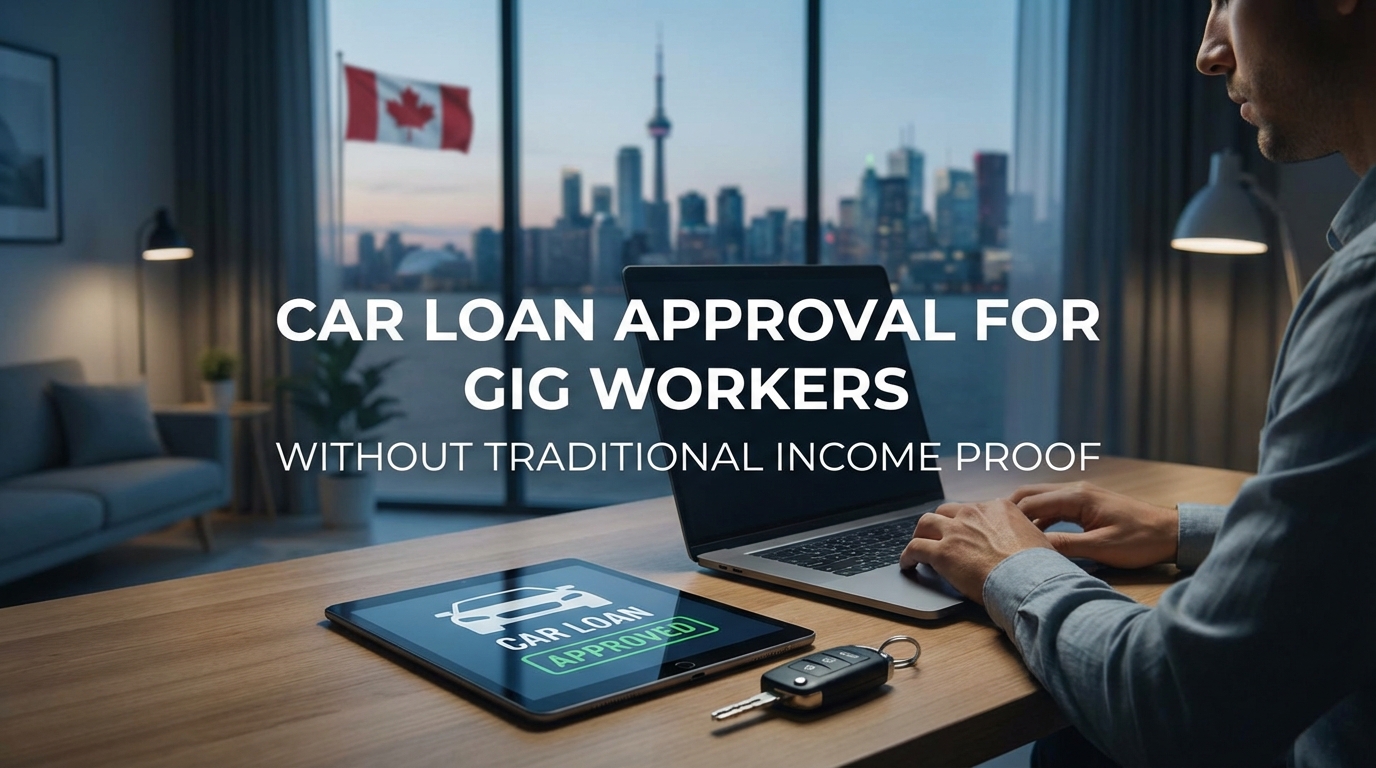
Banks Need Pay Stubs. We Need Your Drive. Gig Work...
Struggling with car loan approval for gig workers without traditional income proof? SkipCarDealer.co...

Self-Employed? Your Bank Doesn't Need a Resume.
Tired of proving your worth? Self-employed Canadians get a car loan for self employed no income veri...
Car Loan Without Pay Stubs: Your Canadian Guide to Approval
It's a common scenario in Canada: you need a car, but your income situation doesn't involve traditional bi-weekly pay stubs. Maybe you're self-employed, a gig worker, retired, or receive government benefits. The good news is that securing a car loan without those conventional documents is absolutely possible, though it requires a slightly different approach. Lenders primarily want to see consistent income that proves you can reliably make your monthly payments, and there are many ways to demonstrate that beyond a pay stub.
Why Lenders Ask for Pay Stubs (and What They're Really Looking For)
When you apply for a car loan, lenders assess your financial risk. Pay stubs are the easiest way for them to verify a stable, predictable income from an employer. They show your gross income, deductions, and net pay, giving them a clear picture of your capacity to repay a loan. Without them, lenders need other ways to gain that same confidence in your financial stability.
Alternative Proof of Income: What Lenders *Will* Accept
If pay stubs aren't part of your financial reality, don't worry. Many lenders, especially those who specialize in varied credit situations, are open to alternative forms of income verification. Here's what you can typically provide:
Bank Statements: Often the most powerful alternative. Lenders will look for consistent deposits over several months (usually 3-6 months) that align with your stated income. This is excellent for self-employed individuals, contract workers, or those receiving regular payments.
Tax Returns (Notice of Assessment - NOA): Your Canada Revenue Agency (CRA) Notice of Assessment from the past one or two tax years is a solid indicator of your annual income. This is particularly useful for self-employed individuals or those with fluctuating income that evens out annually.
Employment Contracts or Letters: If you're newly employed but haven't received a pay stub yet, a formal employment contract or a letter from your employer stating your position, salary, and start date can work.
Pension Statements: For retirees, official statements from your pension provider (e.g., CPP, OAS, private pensions) clearly showing your regular income are perfectly acceptable.
Government Benefit Statements: Documents proving receipt of Employment Insurance (EI), Workers' Compensation Benefits (WCB), disability payments, or other consistent government support can serve as income proof.
Invoices and Business Records: If you run your own business, a collection of recent invoices, business bank statements, or profit and loss statements can demonstrate your earning capacity.
Your Credit Score: Your Best Ally
While income proof is crucial, your credit score plays an equally significant role, especially when you lack traditional pay stubs. A strong credit history tells lenders you're responsible with debt and likely to repay on time. If you have a good to excellent credit score, lenders may be more flexible with income documentation because your past behaviour mitigates some of their risk.
Good Credit: Opens doors to more lenders and better interest rates.
Poor or No Credit: Makes it harder, as lenders have less to go on. You might need to focus on building credit first or be prepared for higher interest rates.
Finding the Right Lender for Your Situation
Not all lenders are created equal when it comes to non-traditional income. Here's where to look:
Dealership Financing: Many dealerships, like those associated with SkipCarDealer.com, work with a wide network of lenders, including traditional banks, credit unions, and alternative finance companies. They often have experience navigating diverse income situations and can help match you with a lender that understands your unique circumstances.
Alternative Lenders: These lenders often specialize in helping individuals who don't fit the traditional lending mould. They are typically more flexible with income verification and credit scores, though their interest rates might be higher than prime lenders.
Credit Unions: Often more community-focused and flexible than large banks, credit unions might be more willing to consider your overall financial picture rather than just specific documents.
Tips for Boosting Your Chances of Approval
Even with alternative income proof, there are steps you can take to make your application stronger:
Have a Down Payment: Putting money down reduces the loan amount and the lender's risk, making you a more attractive borrower.
Consider a Co-Signer: If you have a trusted friend or family member with good credit and stable income, having them co-sign can significantly improve your chances of approval and potentially secure a better interest rate.
Be Realistic About the Car and Loan Amount: Applying for a more affordable vehicle with a smaller loan amount will be easier to approve than a luxury car. Start modest and build your credit.
Improve Your Credit Score: If your credit isn't stellar, take steps to improve it before applying. Pay bills on time, reduce existing debt, and avoid applying for too much new credit at once.
Be Transparent and Organized: Gather all your alternative income documents before applying. Being upfront and well-prepared shows the lender you are serious and responsible.
While getting a car loan without traditional pay stubs might seem daunting, it's a common situation that many Canadians face. By understanding what lenders truly need and preparing your alternative income documentation, you can confidently navigate the process and drive away in your new vehicle.
