Posts tagged with: Eco Friendly Vehicle Finance
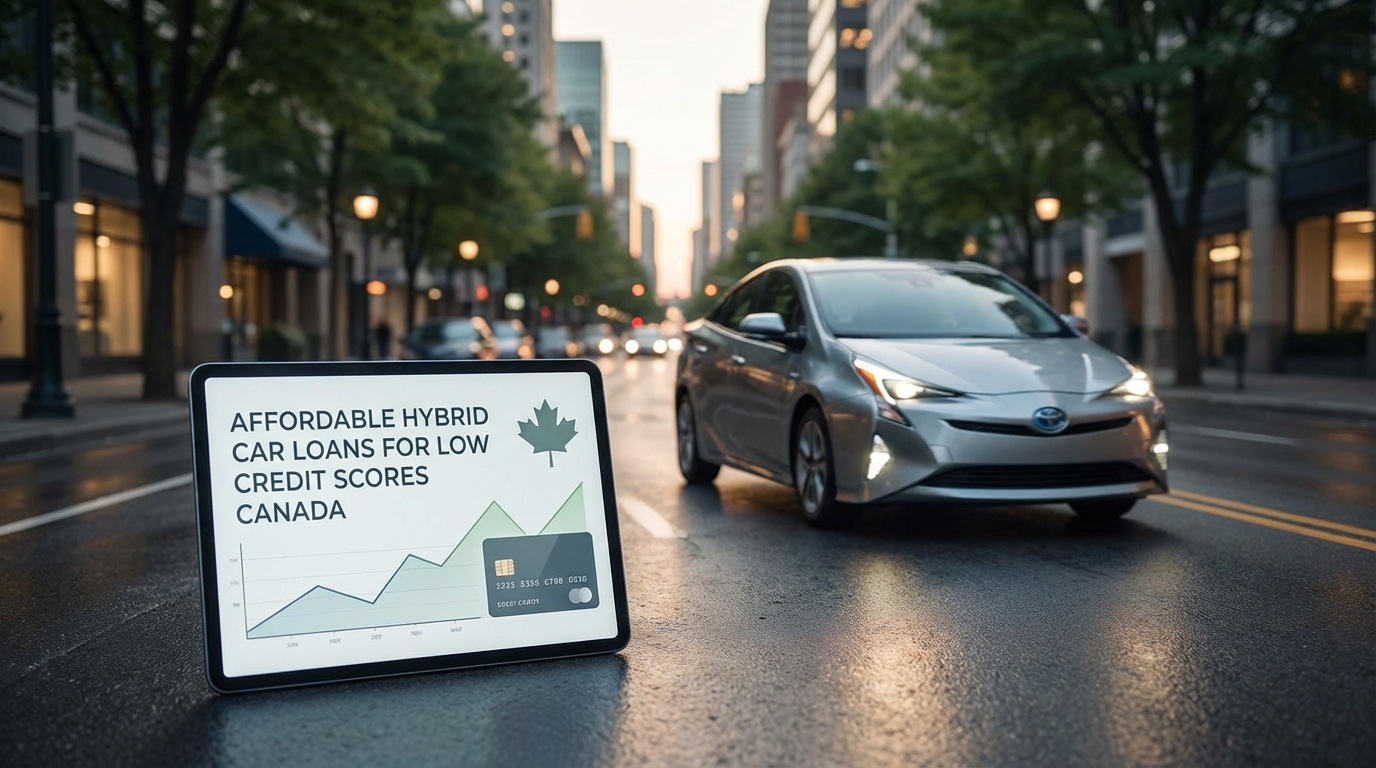
Your Low Credit Score *Earned* You a Hybrid Loan....
Struggling with low credit? Get affordable hybrid car loans for low credit scores Canada-wide. Drive...
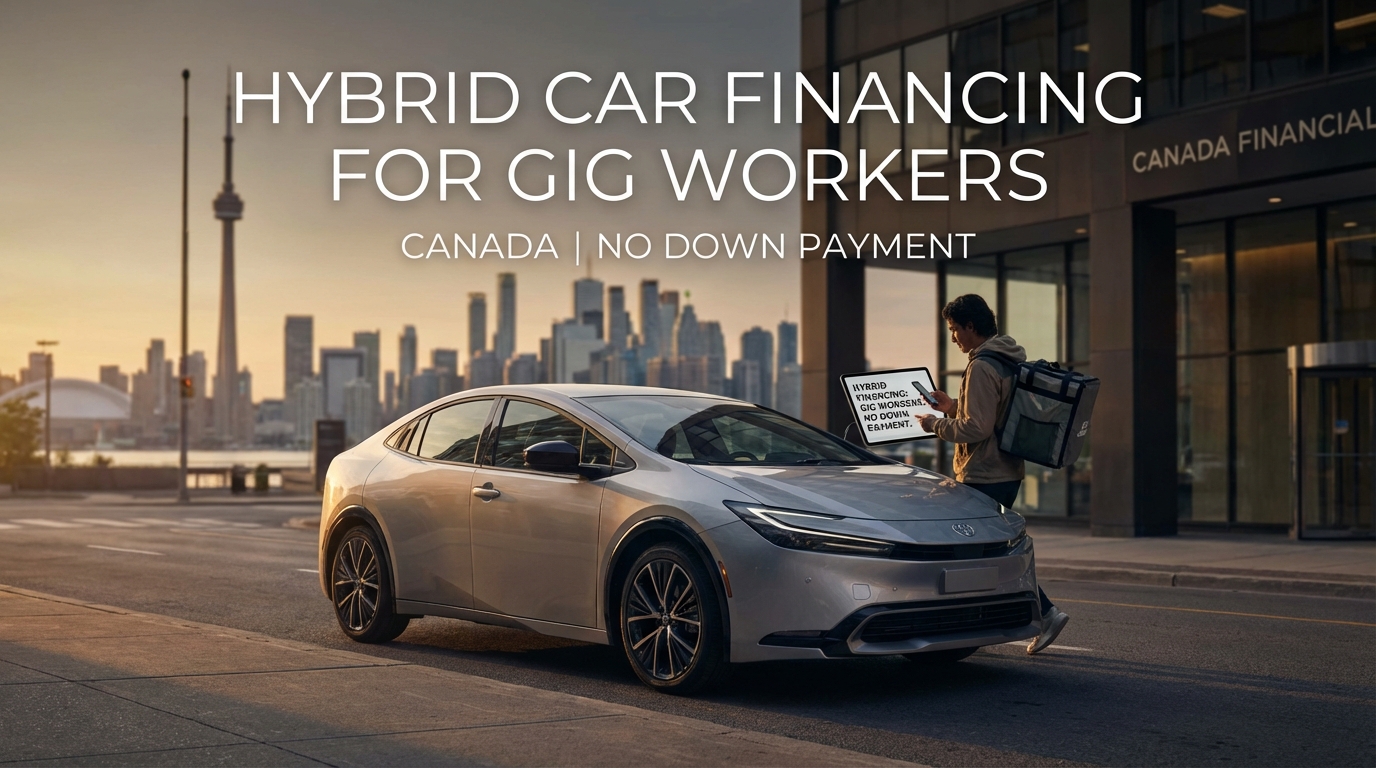
No Down Payment? Your Gig Just Bought a Hybrid. Se...
Canadian gig workers, dream of a hybrid car? Get approved for flexible hybrid car financing for gig...
Driving Green, Saving Green: Your Guide to Eco-Friendly Vehicle Finance in Canada
Thinking about an electric car or a hybrid in Canada? You're not just choosing a cleaner ride; you're also opening doors to smart financial opportunities. Eco-friendly vehicle finance is all about making it easier and more affordable for Canadians to purchase cars that have a lower environmental impact, often coming with perks for your wallet too.
It's a common misconception that 'green' cars are always out of reach. In reality, with the right financing and a little know-how about available incentives, an eco-friendly vehicle can be a surprisingly smart financial move, helping you save money on fuel and even build your credit history.
What Makes a Vehicle 'Eco-Friendly' for Financing?
When we talk about eco-friendly vehicles in the context of financing and incentives, we're generally looking at cars that significantly reduce emissions or reliance on fossil fuels. This typically includes:
- Battery Electric Vehicles (BEVs): Fully electric cars that run solely on a battery.
- Plug-in Hybrid Electric Vehicles (PHEVs): Vehicles that combine an electric motor and a gasoline engine, capable of running on electric power for a significant range before switching to hybrid mode.
- Hybrid Electric Vehicles (HEVs): These combine a gasoline engine with an electric motor to improve fuel efficiency, though they cannot be plugged in to charge. While great for fuel economy, they often don't qualify for the same level of government incentives as BEVs or PHEVs.
Some financing options might also consider highly fuel-efficient gasoline vehicles, but the major focus and government incentives are usually on electric and plug-in hybrid models.
Canadian Incentives: Your Green Savings Boost
One of the biggest advantages of financing an eco-friendly vehicle in Canada is the suite of government incentives designed to make them more accessible. These can significantly reduce the overall cost of your vehicle, which in turn means you're financing a smaller amount.
- Federal iZEV Program: Transport Canada's Incentives for Zero-Emission Vehicles (iZEV) Program offers up to $5,000 for eligible new zero-emission vehicles. This is applied at the point of sale by the dealership, directly reducing the price you pay.
- Provincial Rebates: Several Canadian provinces (like British Columbia and Quebec) also offer their own rebates for purchasing or leasing eligible ZEVs. These can often be stacked with the federal incentive, leading to substantial savings. Make sure to check what's available in your specific province or territory.
- Other Benefits: Beyond direct rebates, some regions offer perks like free access to HOV lanes, reduced vehicle registration fees, or even free public charging for a period.
These incentives directly impact your financing. A lower purchase price means a smaller loan amount, which can lead to lower monthly payments and less interest paid over the life of the loan. It's a win-win for your budget and the environment!
How Eco-Friendly Vehicle Finance Works with Your Credit
Financing an eco-friendly vehicle works much like financing any other car. You'll apply for a car loan, and the lender will assess your creditworthiness, including your credit score and financial history, to determine your eligibility and interest rate.
Here's how it ties into credit building:
- Regular Payments Build Credit: Making consistent, on-time payments on your eco-friendly car loan is an excellent way to build and improve your credit score. A strong payment history is a key factor in your credit rating.
- Diverse Credit Mix: Adding an auto loan to your credit profile, especially if it's your first major loan, can diversify your credit mix, which is another positive factor for your score.
- Responsible Borrowing: Successfully managing an auto loan demonstrates to future lenders that you are a responsible borrower, making it easier to secure other types of credit (like a mortgage) down the road.
Even if you have a less-than-perfect credit score, there are still options. Many lenders specialize in helping individuals with varying credit histories find suitable financing solutions. The key is to be transparent about your financial situation and work with a reputable finance specialist.
Tips for Financing Your Green Ride in Canada
Ready to make the switch to an eco-friendly vehicle? Here are some practical tips for navigating the financing process:
- Research Incentives First: Before you even start test driving, find out which federal and provincial incentives apply to the vehicles you're considering and if you meet the eligibility criteria. This will give you a clear picture of your actual purchase cost.
- Understand Total Cost of Ownership (TCO): Beyond the purchase price, consider the long-term savings. Electric vehicles typically have lower fuel costs (electricity is cheaper than gasoline) and often lower maintenance costs (fewer moving parts, no oil changes). Factor these savings into your budget.
- Shop Around for Financing: Don't just take the first loan offer. Compare rates and terms from different lenders, including banks, credit unions, and dealership finance departments. Some lenders might even offer slightly better rates for eco-friendly vehicles, though this is less common in Canada than the direct government incentives.
- Know Your Credit Score: Get a free credit report from Equifax or TransUnion. Knowing your score helps you understand what kind of rates you might qualify for and gives you a chance to dispute any errors.
- Consider Leasing: Leasing can be an attractive option for eco-friendly vehicles, especially with rapidly evolving technology. It often means lower monthly payments and the flexibility to upgrade to a newer model after a few years.
Embracing an eco-friendly vehicle in Canada is a smart choice for the planet and your personal finances. With generous government incentives and straightforward financing options, driving green has never been more accessible or financially rewarding. It's a powerful way to reduce your environmental footprint while building a stronger financial future.
