Your Low Credit Score *Earned* You a Hybrid Loan. Yes, in Ontario.
Table of Contents
- Key Takeaways
- The Unlikely Alliance: How Your Credit Score and a Hybrid Car Become Your Ticket to the Road in Ontario
- The Myth Debunked: Why 'Low Credit' Doesn't Mean 'No Hybrid Loan' in Ontario
- Beyond the Numbers: Demystifying 'Low Credit' in the Canadian Lending Landscape
- What 'Low Credit' Really Means in Ontario: Scores, Tiers, and Real-World Impact
- The Factors Beyond FICO: What Lenders Truly Look At (Income, Stability, and Intent)
- Pro Tip: Understanding Your Credit Report – The First Step to Empowerment
- The Hybrid Halo Effect: Why Lenders See Green (Literally) in Ontario's Eco-Conscious Drivers
- Ontario's Green Advantage: Provincial Push for Sustainable Transportation
- Fuel Savings as Collateral: The Economic Argument for Hybrid Loans
- Resale Value & Demand: Why Hybrids Hold Their Worth in the Ontario Market
- Pro Tip: Researching Ontario's Latest EV/Hybrid Incentives – Maximize Your Savings
- Navigating the Labyrinth: Your Guide to Loan Providers Beyond the Big Banks (CIBC and Beyond)
- The Traditional Titans: What Big Banks (Like CIBC) Offer and Their Hurdles for Low Credit
- Specialized Subprime Lenders: Ontario's Dedicated Second-Chance Financiers
- The Community Advantage: Credit Unions and Their More Flexible Approach
- Dealership Financing: The On-Site Solution in Ontario's Car Lots
- Private Lenders & Peer-to-Peer Platforms: Are They Viable (or Risky) Alternatives?
- The Application Blueprint: Crafting Your Case for Approval, Even with a Blemished Past
- Pre-Approval vs. Full Application: Strategizing Your First Move
- Essential Documents: What You *Must* Have Ready for Ontario Lenders
- The Power of a Strong Down Payment: Boosting Your Odds (Even if Not Mandatory)
- Co-Signers: When a Helping Hand Makes All the Difference
- Explaining Your Past: How to Address Credit Issues Honestly and Proactively
- Pro Tip: Preparing Your Financial Story – Presenting Your Best Self
- Decoding the Dollars: Unmasking the True Cost of Your Hybrid Loan in Ontario
- Interest Rates for Low Credit: What to Realistically Expect in Ontario
- Beyond the APR: Understanding the Total Cost of Borrowing Over the Loan Term
- Hidden Fees & Charges: What to Watch Out For in Ontario Auto Contracts
- Insurance Implications: How Your Credit Score Can Affect Premiums in Ontario
- Maintenance & Battery Life: The Long-Term Costs Specific to Hybrid Vehicles
- Pro Tip: Requesting a Full Disclosure Statement – Know Every Penny
- Hybrid Heroes for the Budget-Conscious: Top Models and Considerations for Ontario Drivers
- New vs. Used Hybrids: Weighing Upfront Cost Against Long-Term Reliability and Warranty
- Popular Affordable Hybrid Models in Canada: Your Go-To List
- Ontario's Climate and Roads: Specific Considerations for Your Hybrid Choice
- Battery Warranty and Replacement Costs: A Critical Factor for Used Hybrids
- Pro Tip: Prioritizing Reliability over Flash – Your Best Bet with Low Credit
- The Art of the Deal: Negotiating Your Way to Better Terms in Ontario's Dealerships
- Separating the Car Price from the Loan Terms: A Crucial Negotiation Tactic
- Leveraging Competition: How Multiple Offers Strengthen Your Position
- What to Negotiate Beyond the Interest Rate: Fees, Term, and Trade-In Value
- The 'Walk Away' Power: When to Hold Your Ground (or Find Another Dealership)
- Pro Tip: Get Pre-Approved First – Your Strongest Negotiation Tool
- Your Exit Strategy: Rebuilding Credit and Refinancing Opportunities Down the Road
- Making Timely Payments: The Most Effective Credit Builder You Have
- Monitoring Your Credit Score Post-Loan: Tracking Your Progress
- When and How to Consider Refinancing for a Better Rate
- Using Your Hybrid Loan as a Stepping Stone to Financial Recovery in Ontario
- Your Next Steps to Approval: Seizing Your Hybrid Opportunity in Ontario
- A Concise Action Plan: From Research to Driving Your Hybrid Home
- Final Encouragement: Your Low Credit Score Doesn't Define Your Future Mobility
- Frequently Asked Questions (FAQ): Addressing Your Lingering Concerns
Key Takeaways
- Low Credit is Not a Deal Breaker: In Ontario, a less-than-perfect credit score doesn't automatically disqualify you from securing a hybrid car loan. Unique market factors, lender diversity, and the inherent value of hybrids open doors.
- Ontario's Green Advantage: Provincial and federal pushes for sustainable transportation make hybrids attractive to lenders, indirectly bolstering your loan application even with a low score. Fuel efficiency and strong resale values act as a form of collateral.
- Beyond Big Banks: Explore specialized subprime lenders, credit unions, and dealership financing. These institutions often offer more flexible criteria than traditional banks like CIBC.
- Prepare Your Financial Story: Lenders look beyond just your credit score. Stable income, employment history, and a clear explanation for past credit challenges can significantly improve your chances.
- Understand the True Cost: Be prepared for higher interest rates with low credit. Focus on the total cost of borrowing, scrutinize fees, and consider long-term hybrid maintenance to avoid surprises.
- Rebuild Your Credit: A hybrid car loan, managed responsibly with on-time payments, can be a powerful tool for rebuilding your credit score and opening future financial opportunities, including refinancing for better rates.
The Unlikely Alliance: How Your Credit Score and a Hybrid Car Become Your Ticket to the Road in Ontario
The Myth Debunked: Why 'Low Credit' Doesn't Mean 'No Hybrid Loan' in Ontario
For years, the conventional wisdom has dictated that a low credit score slams the brakes on your dreams of a new car, especially one as forward-thinking as a hybrid. You might have been told that only those with pristine credit histories qualify for the latest in fuel-efficient technology. But in Ontario, Canada's most populous province, that narrative is rapidly changing. Welcome to a world where your low credit score might just be the unexpected key to *earning* yourself a hybrid car loan.
It sounds counterintuitive, doesn't it? How can a financial misstep open doors to a desirable, eco-conscious vehicle? The answer lies in a unique confluence of factors specific to Ontario. We're talking about a provincial commitment to environmental sustainability, evolving lending practices that look beyond just a number, and the inherent economic advantages of hybrid vehicles themselves. From government incentives to the growing demand for greener transportation in bustling cities like Toronto, Mississauga, and Ottawa, the landscape is shifting. Lenders are increasingly recognizing the value proposition of hybrids, seeing them not just as a vehicle, but as a smart, long-term investment that benefits both the borrower and the environment. This means that even if your credit history has a few bumps in the road, the "hybrid halo effect" might just be strong enough to get you approved. We're here to show you how a low score, surprisingly, can 'earn' you a forward-thinking vehicle, putting you on the fast track to a more sustainable and affordable commute.
Beyond the Numbers: Demystifying 'Low Credit' in the Canadian Lending Landscape
What 'Low Credit' Really Means in Ontario: Scores, Tiers, and Real-World Impact
When lenders talk about 'low credit' in Canada, they're primarily referring to your credit score, a three-digit number generated by credit bureaus like Equifax and TransUnion. This score is a snapshot of your creditworthiness, derived from your payment history, credit utilization, length of credit history, types of credit, and new credit inquiries. In Ontario, as across Canada, scores typically range from 300 to 900.
So, what's considered 'low'? Generally, a score below 600 or 650 is often flagged as 'subprime' or 'low credit'.
- Excellent: 760-900
- Very Good: 720-759
- Good: 660-719
- Fair/Average: 600-659
- Poor/Low: Below 600
A score in the 'poor' range can create a significant psychological barrier, making borrowers feel hopeless about obtaining financing. Common reasons for a low score include missed payments, high credit card balances, too many recent credit applications, or even a lack of credit history altogether. The real-world impact? Higher interest rates, more stringent loan requirements, and sometimes, outright denial from traditional lenders. But don't despair; this isn't the whole story, especially when it comes to hybrid vehicles in Ontario.
The Factors Beyond FICO: What Lenders Truly Look At (Income, Stability, and Intent)
While your credit score is undeniably important, it's not the only factor lenders consider. Savvy lenders, particularly those specializing in non-prime auto loans, adopt a holistic view. They understand that a credit score is a historical record, not always a predictor of future behaviour or current financial stability. Here's what else they prioritize:
- Income Stability: Do you have a steady job? How long have you been employed? Lenders want to see consistent income that demonstrates your ability to make regular loan payments. Even if your credit score is low, a strong employment history and reliable income (from a job, pension, or even government benefits like EI – EI Income? Your Car Loan Just Said 'Welcome Aboard!') can significantly mitigate perceived risk.
- Employment History: A long tenure with the same employer signals stability and reliability. Frequent job changes can raise red flags, but a clear career progression or justifiable reasons for changes can be explained.
- Residency History: Just like employment, stable residency (living at the same address for several years) indicates a settled lifestyle, which lenders often view favourably.
- Debt-to-Income Ratio: Lenders will assess your current debt obligations against your gross monthly income. A manageable ratio shows you're not over-extended and have room for a new car payment.
- Down Payment: While not always mandatory, a down payment reduces the loan amount and the lender's risk, making your application more appealing.
- The Vehicle Itself: Surprisingly, the type of vehicle can play a role. A fuel-efficient hybrid, with its lower running costs and strong resale value, can make the loan seem less risky to a lender, as it reduces the overall financial burden on the borrower.
Essentially, lenders are looking for a compelling financial narrative that paints a picture of current stability and a genuine intent to repay, even if your credit numbers tell a different story from the past. In a vibrant city like Montreal or a growing hub like Calgary, demonstrating this stability is key.
Pro Tip: Understanding Your Credit Report – The First Step to Empowerment
The Hybrid Halo Effect: Why Lenders See Green (Literally) in Ontario's Eco-Conscious Drivers
Ontario's Green Advantage: Provincial Push for Sustainable Transportation
Ontario stands at the forefront of Canada's push for a greener future, and this commitment has a tangible impact on the accessibility of hybrid vehicle loans. Both federal and provincial governments have, at various times, introduced initiatives, rebates, and policies designed to accelerate the adoption of electric and hybrid vehicles. While direct purchase incentives fluctuate, the broader governmental stance indirectly supports loan approvals for these vehicles.
Consider the long-term strategic vision. Governments across Canada, including Ontario, are setting ambitious emissions reduction targets. This means sustained investment in charging infrastructure, public awareness campaigns, and policies that favour low-emission vehicles. For lenders, this translates into a future-proof investment. A hybrid car isn't just a car; it's a vehicle aligned with societal and governmental trends, suggesting sustained demand and value. This underlying support makes lenders more comfortable financing these assets, even for borrowers with lower credit scores, as the asset itself carries a certain intrinsic desirability and economic resilience in the Ontario market.
Fuel Savings as Collateral: The Economic Argument for Hybrid Loans
One of the most compelling arguments for a hybrid vehicle, especially for those managing finances carefully, is its superior fuel efficiency. In Ontario, where fuel prices can fluctuate significantly and are a substantial part of a vehicle's operating cost, these savings are not just a minor perk – they're a significant financial advantage. For a lender, this translates into a more secure loan.
Here's how: A hybrid car typically consumes less fuel than a comparable gasoline-only vehicle. This means lower monthly operating costs for the borrower. When a borrower spends less on gas, they theoretically have more disposable income available to meet their monthly car loan payments. This inherent economic benefit makes the loan itself a 'safer' bet for lenders. It reduces the overall financial strain on the borrower, making default less likely. In the eyes of a lender, the fuel savings literally act as a form of "soft collateral," bolstering the borrower's capacity to repay, even if their credit score suggests a higher risk.
Resale Value & Demand: Why Hybrids Hold Their Worth in the Ontario Market
The demand for hybrid vehicles in Ontario is not just a passing fad; it's a growing trend driven by environmental consciousness, rising fuel costs, and technological advancements. In major Ontario cities like Toronto, Ottawa, Hamilton, and London, hybrids are increasingly sought after, translating into strong resale values. This is another crucial factor that makes hybrid loans attractive to lenders.
A vehicle that holds its value well is less of a risk for a lender. In the unfortunate event of a repossession, a hybrid vehicle with high market demand and strong resale value can be sold more easily and for a higher price, allowing the lender to recover more of the outstanding loan amount. This higher collateral value provides an added layer of security. This stability in the used car market for hybrids in Ontario acts as a buffer against the perceived risk of lending to someone with a lower credit score, making the prospect of approval more favourable.
Pro Tip: Researching Ontario's Latest EV/Hybrid Incentives – Maximize Your Savings
Navigating the Labyrinth: Your Guide to Loan Providers Beyond the Big Banks (CIBC and Beyond)
The Traditional Titans: What Big Banks (Like CIBC) Offer and Their Hurdles for Low Credit
When most Canadians think of car loans, their minds often jump to the major banks: RBC, TD, BMO, Scotiabank, National Bank, and of course, CIBC. These institutions offer competitive interest rates and often attractive promotions, such as CIBC's "No Down Payment" offer, which can sound incredibly appealing. However, there's a catch for those with low credit scores.
Big banks typically have stringent credit score requirements. They often target "prime" borrowers (those with scores generally above 660-680) to minimize their risk. While a "No Down Payment" offer from CIBC might seem like a dream come true, securing it with a low credit score is exceptionally challenging. You'd likely need an impeccable income, long employment history, and very low debt-to-income ratio to compensate for a weak credit score. For many with less-than-perfect credit, applying to a big bank can often lead to disappointment and further credit inquiries, which can negatively impact your score. It's not impossible, but it's important to have realistic expectations.
Specialized Subprime Lenders: Ontario's Dedicated Second-Chance Financiers
This is where the real opportunities open up for low-credit borrowers in Ontario. Specialized subprime lenders are financial institutions whose entire business model is built around providing loans to individuals with credit scores that fall below traditional bank thresholds. They understand that life happens, and a past financial misstep shouldn't permanently bar you from essential transportation.
These lenders include online auto finance platforms, independent finance companies, and some in-house dealership finance departments. They assess risk differently, often placing more emphasis on your current income, employment stability, and ability to make payments, rather than solely on your past credit history. While their interest rates are generally higher than those offered by prime lenders (reflecting the increased risk they undertake), they offer flexibility and a genuine "second chance." They are prevalent across Ontario, from the bustling car markets of Vaughan and Brampton to smaller communities, and are often the most viable path to a hybrid loan for those with challenging credit. For more on navigating difficult financial situations, check out our article on What If Your Consumer Proposal *Unlocks* Your Car Loan, Ontario?
The Community Advantage: Credit Unions and Their More Flexible Approach
Don't overlook credit unions! These member-owned financial cooperatives, found in communities throughout Ontario like Hamilton, London, Kitchener, and Sudbury, often operate with a more personalized and community-focused approach than large banks. Because they are not solely driven by shareholder profits, they can sometimes be more understanding of unique financial situations and less rigid in their lending criteria.
Credit unions often have a deeper understanding of their members' circumstances and may be willing to look beyond a low credit score if you have a long-standing relationship with them, a history of saving, or a compelling personal story. While they still assess risk, their human-centric approach can sometimes result in more favourable terms than a specialized subprime lender, bridging the gap between prime banks and high-risk financiers.
Dealership Financing: The On-Site Solution in Ontario's Car Lots
Most car dealerships across Ontario, whether in Toronto, Windsor, or Thunder Bay, offer on-site financing. This is incredibly convenient, as you can shop for a car and secure a loan all in one place. Dealerships work with a network of lenders, including both prime banks and specialized subprime institutions. This means they can often cast a wide net to find a lender willing to approve your loan, even with low credit.
The convenience is a major draw, and dealerships can sometimes offer promotional rates or incentives. However, it's crucial to scrutinize the terms carefully. While convenient, the focus might shift from getting the best interest rate to simply getting an approval. Always compare their offers with any pre-approvals you've secured independently. Dealerships in competitive markets like Vaughan and Brampton can be excellent resources, but always go in prepared.
Private Lenders & Peer-to-Peer Platforms: Are They Viable (or Risky) Alternatives?
Beyond the more conventional options, there are private lenders and peer-to-peer (P2P) lending platforms. These can sometimes offer faster approval processes or be more lenient with credit scores. P2P platforms, for instance, connect individual borrowers with individual investors who are willing to fund loans. The rates and terms can vary wildly, depending on the platform and the investors.
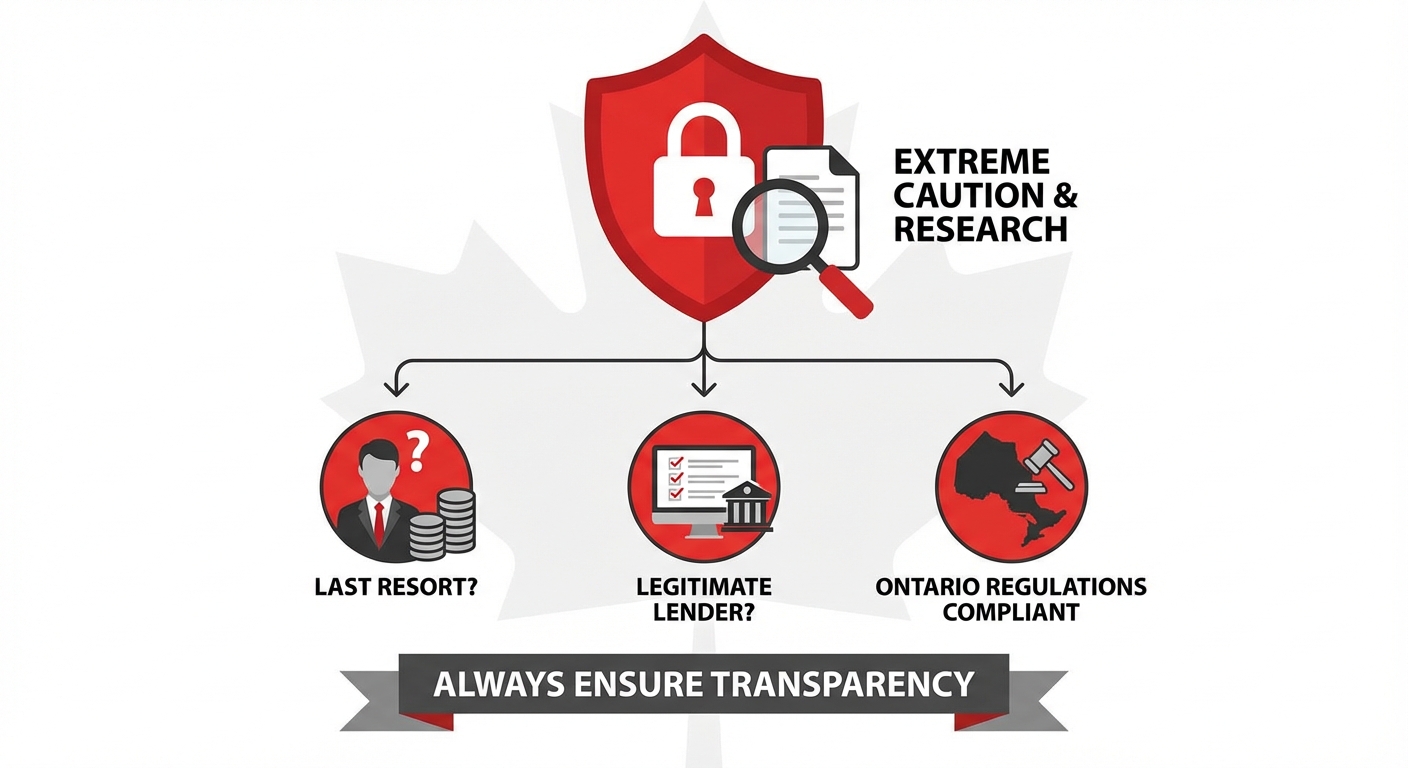
However, these alternatives come with significant risks. Private lenders might operate with less regulation, and P2P platforms might not offer the same consumer protections as traditional institutions. Interest rates can be exceptionally high, and hidden fees are a common concern. While they might seem like a last resort, extreme caution and diligent research are absolutely essential. Always ensure any lender is legitimate, transparent, and compliant with Ontario's lending regulations before considering this path.
The Application Blueprint: Crafting Your Case for Approval, Even with a Blemished Past
Pre-Approval vs. Full Application: Strategizing Your First Move
Navigating the car loan process with a low credit score requires a strategic approach, and understanding the difference between pre-approval and a full application is your first critical step. A pre-approval is a conditional offer from a lender, indicating how much they're willing to lend you, often with an estimated interest rate, based on a preliminary review of your financial situation (which might include a soft credit check that doesn't impact your score). It's not a guarantee, but it's incredibly powerful.
For low-credit borrowers in Ontario, pre-approval is a game-changer. It gives you:
- Clarity: You know your budget before you start car shopping, preventing you from falling in love with a vehicle you can't afford.
- Leverage: Walking into a dealership with a pre-approval in hand tells them you're a serious buyer with financing already secured. This puts you in a stronger negotiating position, allowing you to focus on the car price, rather than being solely at the mercy of their financing options.
- Confidence: It reduces the stress and uncertainty of the financing process, letting you enjoy the car-buying experience.
A full application, on the other hand, is a commitment. It involves a hard credit check (which temporarily dings your score) and requires all your documentation for a final approval. Strategize by getting pre-approved by a few different lenders before you step onto the car lot.
Essential Documents: What You *Must* Have Ready for Ontario Lenders
Organization is key to a smooth loan application, especially with a low credit score. Having all your documents ready shows you're serious, responsible, and prepared. Here's a comprehensive checklist:
- Proof of Income: This is paramount. Gather recent pay stubs (typically 2-3 months), T4s, Records of Employment (ROEs), or income tax assessments (NOAs) if you're self-employed. If your income includes government benefits, ensure you have official statements. For self-employed individuals, demonstrating consistent income is vital; our article Self-Employed? Your Bank Account *Is* Your Proof. Get Approved. offers more insights.
- Proof of Residency: Recent utility bills (hydro, gas, internet), a lease agreement, or mortgage statement showing your current address.
- Employment Verification: Beyond pay stubs, some lenders might request a letter from your employer confirming your employment status and tenure.
- Identification: Valid Canadian government-issued photo ID (driver's license, passport, provincial ID card).
- Bank Statements: Recent statements (typically 3 months) to demonstrate financial activity, consistent deposits, and responsible money management.
- Trade-in Documents (if applicable): Vehicle ownership (title), registration, and service records for your trade-in.
Having these prepared and organized will expedite the process and present you as a reliable applicant, even with past credit challenges.
The Power of a Strong Down Payment: Boosting Your Odds (Even if Not Mandatory)
While some lenders, like CIBC, advertise "no down payment" options, and many subprime lenders can approve loans with zero down, making a down payment is a strategic move for low-credit borrowers in Ontario. Even a modest down payment significantly benefits your application.
Why? A down payment:
- Reduces Lender Risk: It immediately decreases the loan-to-value (LTV) ratio, meaning the lender is financing a smaller portion of the vehicle's total cost. This makes the loan inherently less risky for them.
- Improves Loan Terms: With reduced risk, lenders are often more willing to offer slightly better interest rates or more favourable terms, saving you money over the life of the loan.
- Lowers Monthly Payments: A smaller principal means smaller monthly payments, making the loan more affordable and less likely to strain your budget.
- Builds Equity Faster: You start building equity in your hybrid vehicle from day one.
Even if you can only manage a few hundred or a couple of thousand dollars, a down payment is a tangible demonstration of your commitment and financial capability, greatly boosting your approval odds and potentially improving your loan conditions.
Co-Signers: When a Helping Hand Makes All the Difference
If you're struggling to get approved on your own, or if the offered interest rates are prohibitively high, a co-signer can be a game-changer. A co-signer is someone with good credit who agrees to take on legal responsibility for the loan if you fail to make payments. This significantly reduces the lender's risk, as they now have two parties responsible for repayment.
Who qualifies as a good co-signer? Typically, it's a family member or close friend with a strong credit score, stable income, and low debt. However, it's crucial that both parties understand the implications: the loan will appear on the co-signer's credit report, impacting their debt-to-income ratio, and they will be legally obligated to make payments if you default. This can strain relationships if not fully understood and managed responsibly. But for many low-credit applicants in Ontario, a co-signer is the key to unlocking a hybrid car loan.
Explaining Your Past: How to Address Credit Issues Honestly and Proactively
Don't hide from your credit history. Lenders will see it. Instead, prepare a brief, honest explanation for any past credit challenges. This isn't about making excuses; it's about demonstrating lessons learned and highlighting your current stability. Did you go through a period of unemployment? A medical emergency? A business failure? A consumer proposal (Consumer Proposal? Good. Your Car Loan Just Got Easier.)? Lenders are human, and they understand that life can throw curveballs.
Focus on what has changed since then: your current stable job, improved financial habits, and your commitment to responsible repayment moving forward. For example, if you faced a bankruptcy, explain that it allowed you to reset and that you are now on solid financial footing. This human element can sometimes sway a lender, particularly those who specialize in second-chance financing, showing them you're more than just a credit score.
Pro Tip: Preparing Your Financial Story – Presenting Your Best Self
Decoding the Dollars: Unmasking the True Cost of Your Hybrid Loan in Ontario
Interest Rates for Low Credit: What to Realistically Expect in Ontario
Let's be candid: a low credit score in Ontario will almost certainly mean higher interest rates on your hybrid car loan. Lenders charge more interest to compensate for the increased risk they take on. While prime rates for borrowers with excellent credit might be in the single digits, those with low credit can expect rates significantly higher.
Here's a realistic expectation of what you might encounter in the Canadian market, including Ontario, for auto loans based on credit tiers:
| Credit Tier (Score Range) | Realistic Interest Rate Range (APR) | Typical Lender Type |
|---|---|---|
| Excellent (760-900) | 3.99% - 6.99% | Major Banks, Credit Unions |
| Good (660-759) | 6.99% - 11.99% | Major Banks, Credit Unions, Prime Dealership Lenders |
| Fair/Average (600-659) | 10.99% - 18.99% | Credit Unions, Dealership Lenders, Near-Prime Subprime Lenders |
| Poor/Low (Below 600) | 15.99% - 29.99%+ | Specialized Subprime Lenders, Dealership Subprime Lenders |
These ranges are approximate and can vary based on market conditions, the specific lender, the vehicle's age and value, loan term, and the presence of a down payment or co-signer. Don't be surprised by rates in the high teens or even twenties if your credit score is significantly below 600. The key is to secure the best rate *available to you* and focus on the total cost.
Beyond the APR: Understanding the Total Cost of Borrowing Over the Loan Term
Many borrowers make the mistake of focusing solely on the monthly payment. While it's important for budgeting, it can be deceptive. A low monthly payment often comes with a longer loan term, which dramatically increases the total amount of interest you pay over the life of the loan. For example, a $20,000 loan at 18% APR over 60 months versus 84 months will have vastly different total costs, even if the monthly payment is lower for the longer term. Always ask for the total cost of borrowing – the sum of all your payments plus any fees – before signing. This transparency is crucial for making an informed decision about your hybrid loan in Ontario.
Hidden Fees & Charges: What to Watch Out For in Ontario Auto Contracts
Auto loan contracts can be riddled with fees that inflate the overall cost. As a low-credit borrower in Ontario, you need to be extra vigilant. Here are some common charges to watch out for:
- Administration Fees: Charges for processing paperwork. These can range from a few hundred dollars to over a thousand.
- PPSA Registration Fees: Personal Property Security Act (PPSA) registration is a legal fee charged by the province to register the lender's interest in the vehicle. This is legitimate but ensure it's not inflated.
- Documentation Fees: Similar to admin fees, these cover the cost of preparing loan documents.
- Extended Warranties: Often aggressively upsold. While some might offer peace of mind, they are often high-profit items for dealerships. Consider if it's truly necessary, especially for reliable hybrid models.
- Credit Insurance (Life, Disability, Critical Illness): Optional insurance that covers your loan payments in case of unforeseen circumstances. It can be very expensive and significantly increase your monthly payment. Understand your existing insurance coverage before agreeing to this.
- Tire & Rim Protection: Another common upsell, particularly in cities like Toronto with notorious potholes. Assess its real value against the cost.
Always ask for a complete breakdown of all fees and charges. Don't be afraid to negotiate or question items you don't understand or believe are excessive. Knowledge is your best defence against unnecessary costs.
Insurance Implications: How Your Credit Score Can Affect Premiums in Ontario
This is a lesser-known but significant factor: your credit score can, in some cases, indirectly affect your car insurance premiums in Ontario. While it's not a direct correlation everywhere in Canada, some insurers may use a "credit-based insurance score" as one of many factors in determining your risk profile and, consequently, your premium.
This means that with a lower credit score, you might find yourself paying slightly higher insurance rates. This can be particularly noticeable in urban centres like Toronto, where insurance rates are already higher due to population density and traffic. In smaller cities like Windsor or Thunder Bay, the impact might be less pronounced, but it's still a factor to consider. Always get insurance quotes *before* finalizing your car purchase to understand the full monthly financial commitment, as this can add hundreds of dollars to your monthly budget.
Maintenance & Battery Life: The Long-Term Costs Specific to Hybrid Vehicles
Beyond the loan itself, it's crucial to factor in the long-term costs of hybrid ownership. While hybrids are generally known for reliability and lower fuel costs, there are specific considerations:
- Routine Maintenance: Generally comparable to gasoline cars, but some specific hybrid system checks might be required.
- Hybrid Battery Replacement: This is often the biggest concern. While modern hybrid batteries are designed to last the life of the vehicle (often 8-10 years or 160,000 km, sometimes even longer, with warranties extending further in some provinces), a replacement can be expensive (several thousand dollars) if needed outside of warranty. Research the warranty period and expected lifespan for the specific model you're considering.
- Brake Wear: Hybrids often use regenerative braking, which can extend the life of brake pads compared to conventional vehicles.
Understanding these specific costs ensures you're fully prepared for the total cost of ownership, making your hybrid a sustainable choice in every sense.
Pro Tip: Requesting a Full Disclosure Statement – Know Every Penny
Hybrid Heroes for the Budget-Conscious: Top Models and Considerations for Ontario Drivers
New vs. Used Hybrids: Weighing Upfront Cost Against Long-Term Reliability and Warranty
Deciding between a new or used hybrid is a critical choice, especially when managing a low credit loan. Each option presents distinct advantages and disadvantages:
| Feature | New Hybrid | Used Hybrid |
|---|---|---|
| Upfront Cost | Higher | Lower |
| Warranty | Full factory warranty (bumper-to-bumper, powertrain, hybrid battery) | Limited or expired warranties, especially for older models. May have some transferable battery warranty. |
| Technology & Features | Latest safety, infotainment, and efficiency tech | Older technology, fewer advanced features |
| Reliability | Generally excellent, minimal immediate concerns | Can be excellent, but dependent on previous owner, maintenance, and age |
| Depreciation | Steepest depreciation in the first few years | Much of the initial depreciation has already occurred |
| Loan Approval for Low Credit | Potentially harder due to higher loan amount, but newer vehicle might be seen as less risky collateral | Potentially easier due to lower loan amount, but older vehicle might be seen as higher risk for maintenance |
For low-credit buyers, a used hybrid often presents a more strategic choice due to the lower upfront cost, resulting in a smaller loan amount and potentially easier approval. However, prioritizing a model with a strong reputation for reliability and a remaining hybrid battery warranty is paramount to avoid unexpected repair costs down the road.
Popular Affordable Hybrid Models in Canada: Your Go-To List
The Canadian market, particularly in Ontario, offers a solid selection of reliable and fuel-efficient hybrid vehicles that are often budget-friendly. When you're looking for value retention and proven technology, these models frequently rise to the top:
- Toyota Prius: The original hybrid, known for legendary reliability, exceptional fuel economy, and strong resale value. A used Prius is a very safe bet.
- Honda Insight: A sleek, efficient sedan offering a comfortable ride and good fuel economy. Often found at competitive prices on the used market.
- Hyundai Elantra Hybrid: A more recent entry, offering modern styling, excellent features, and competitive fuel efficiency. Hyundai's robust warranties can be a plus for newer used models.
- Kia Niro: Available as a hybrid, plug-in hybrid, and EV, the Niro offers SUV-like versatility in a compact, efficient package. Good value and practical for city driving in places like Mississauga and Burlington.
- Toyota Corolla Hybrid: Bringing Toyota's proven hybrid powertrain to its best-selling compact car, offering reliability and efficiency in a familiar package.
Focus on models from manufacturers with established hybrid technology and a reputation for long-term durability. These choices minimize the risk of expensive repairs, which is particularly important when managing a loan with a higher interest rate.
Ontario's Climate and Roads: Specific Considerations for Your Hybrid Choice
Ontario's diverse climate and road conditions should influence your hybrid choice. The province experiences:
- Cold Winters: Battery performance can be slightly reduced in extreme cold, but modern hybrids are designed to cope. Consider block heaters for plug-in hybrids or EVs, and ensure your chosen vehicle has good winter tire options.
- Varying Road Conditions: From the smooth highways connecting Toronto to Montreal, to the more rugged rural roads and urban potholes in cities like Sudbury or Thunder Bay, a vehicle's suspension and ground clearance can matter. While most hybrids are front-wheel drive, some models (like certain Toyota RAV4 Hybrids) offer all-wheel drive, providing extra confidence in snowy conditions.
Factor in your typical driving environment. If you frequently drive in heavy snow or on unpaved roads, an AWD hybrid SUV might be a better choice than a compact hybrid sedan.
Battery Warranty and Replacement Costs: A Critical Factor for Used Hybrids
For used hybrids, the battery is the single most important component to consider. While modern hybrid batteries are incredibly durable, they do have a finite lifespan. Most manufacturers offer extensive warranties on hybrid batteries, often 8 years/160,000 km, and in some cases, even 10 years/240,000 km in specific provinces like California, which impacts the Canadian market for those models.
When looking at a used hybrid:
- Check the Warranty: Verify if the original hybrid battery warranty is still active and transferable. This can save you thousands.
- Research Replacement Costs: Understand the estimated cost of a replacement battery for the specific model you're considering. While not as common as once feared, it's a significant expense.
- Consider Refurbished Batteries: In some cases, reputable shops offer refurbished hybrid batteries at a lower cost than new ones.
Don't let battery concerns deter you entirely, but be informed. A well-maintained hybrid with a good service history is often a reliable choice, but understanding the battery's status is non-negotiable.
Pro Tip: Prioritizing Reliability over Flash – Your Best Bet with Low Credit
The Art of the Deal: Negotiating Your Way to Better Terms in Ontario's Dealerships
Separating the Car Price from the Loan Terms: A Crucial Negotiation Tactic
This is perhaps the most vital negotiation strategy for any car buyer, and it's even more critical for those with low credit. Dealerships often try to "payment-shop" you, focusing the conversation solely on what monthly payment you can afford. They might then adjust the car price, interest rate, or loan term behind the scenes to hit that number, often resulting in a worse overall deal for you.
Never negotiate based on monthly payment alone. Insist on negotiating the vehicle's cash price first, independently of the financing. Get to a firm, agreed-upon price for the car (and your trade-in, if applicable) before you even begin discussing loan terms. Once you have a fair price on the vehicle, then you can pivot to negotiating the interest rate, loan term, and fees. This two-stage approach ensures you're getting the best deal on both the asset and the financing, preventing the dealership from hiding inflated costs within the loan structure.
Leveraging Competition: How Multiple Offers Strengthen Your Position
In the competitive auto market of Ontario, especially in densely populated areas like the Greater Toronto Area (GTA), leveraging competition is your superpower. By securing pre-approvals from two or three different lenders (specialized subprime lenders, credit unions, online platforms), you walk into the dealership with concrete offers.
When the dealership's finance department presents their loan options, you can then say, "Thank you, but I have a pre-approval from [Lender A] at [X]% APR over [Y] months. Can you beat that?" This forces them to compete for your business. They might match or even slightly undercut your existing offers to secure the deal. This tactic is incredibly effective because it transforms you from a desperate borrower into an informed consumer with options, strengthening your negotiation position significantly.
What to Negotiate Beyond the Interest Rate: Fees, Term, and Trade-In Value
While the interest rate (APR) is a significant factor, it's not the only negotiable element in an auto loan. Here's what else you should be prepared to negotiate:
- Loan Term: Shorter terms mean higher monthly payments but significantly less interest paid overall. Aim for the shortest term you can comfortably afford.
- Fees: As discussed, many fees (admin, documentation, PPSA) can be negotiable. Ask for them to be reduced or waived.
- Trade-In Value: If you're trading in a vehicle, research its market value beforehand (e.g., using Canadian Black Book or Kelley Blue Book). Don't accept the first offer; negotiate for a fair price, as a higher trade-in reduces the amount you need to finance.
- Add-ons: Extended warranties, rustproofing, paint protection, and credit insurance are almost always negotiable. Decide if you truly need them and be prepared to decline or negotiate their price.
Every dollar you save on these elements directly reduces your total cost of ownership and the burden of your loan.
The 'Walk Away' Power: When to Hold Your Ground (or Find Another Dealership)
Perhaps the most potent negotiation tool you possess is the willingness to walk away. If a dealership isn't meeting your terms, if the numbers don't add up, or if you feel pressured or uncomfortable, be prepared to politely decline the deal and leave. In a vast province like Ontario, there are countless other dealerships and lenders. You are not obligated to accept the first (or even second) offer.
Having pre-approvals and knowing your budget gives you this power. It reinforces that you have other options and that you won't be rushed into a bad deal. Sometimes, the act of walking away prompts a dealership to call you back with a better offer. Remember, your financial future is at stake, and patience and firmness will serve you well.
Pro Tip: Get Pre-Approved First – Your Strongest Negotiation Tool
Your Exit Strategy: Rebuilding Credit and Refinancing Opportunities Down the Road
Making Timely Payments: The Most Effective Credit Builder You Have
Securing a hybrid car loan, even with a low credit score, isn't just about getting a vehicle; it's a powerful opportunity to rebuild your financial standing. The single most effective way to improve your credit score is by making consistent, on-time payments. Every month, when you pay your car loan installment on time, that positive payment history is reported to credit bureaus like Equifax and TransUnion.
Over time, this diligent payment behaviour demonstrates to future lenders that you are a reliable borrower. It shows you can manage debt responsibly, even after past challenges. This consistent positive activity will steadily raise your credit score, opening doors to better financial products and lower interest rates in the future. Think of your hybrid loan as a stepping stone, a strategic investment in your financial recovery.
Monitoring Your Credit Score Post-Loan: Tracking Your Progress
Once you've secured your hybrid loan and started making payments, don't just forget about your credit score. Make it a habit to regularly monitor your credit score and review your credit report. Many financial institutions and credit monitoring services in Canada offer free access to your score. Observing your score rise over months of on-time payments can be incredibly motivating and confirms that your efforts are paying off.
Regularly reviewing your full credit report also allows you to catch any new errors or fraudulent activity, ensuring your credit-building efforts aren't undermined by unforeseen issues. This proactive approach keeps you in control of your financial journey.
When and How to Consider Refinancing for a Better Rate
After 12 to 18 months of making consistent, on-time payments on your hybrid car loan, and assuming your credit score has demonstrably improved, it's an opportune time to consider refinancing. Refinancing means taking out a new loan to pay off your existing one, ideally at a lower interest rate or with more favourable terms.
The process involves:
- Checking Your Credit: Ensure your score has improved significantly since your initial loan.
- Shopping Around: Contact various lenders (banks, credit unions, specialized lenders) for refinancing quotes. Leverage competition just as you did for your initial loan.
- Reviewing Offers: Compare the new interest rate, loan term, and any associated fees. Ensure the new loan genuinely saves you money over the remaining term of your original loan.
- Applying: Submit a full application with the chosen new lender.
Refinancing can save you hundreds, if not thousands, of dollars in interest over the remaining life of your loan, making your hybrid even more affordable.
Using Your Hybrid Loan as a Stepping Stone to Financial Recovery in Ontario
View your hybrid car loan not merely as a means of transportation, but as a strategic financial tool. By responsibly managing this loan, you are actively building a positive credit history, which is the foundation for future financial opportunities. A strong credit history built on consistent car loan payments can help you:
- Qualify for better rates on other loans (mortgages, personal loans, lines of credit).
- Secure lower premiums on insurance products.
- Improve your overall financial standing and access to credit.
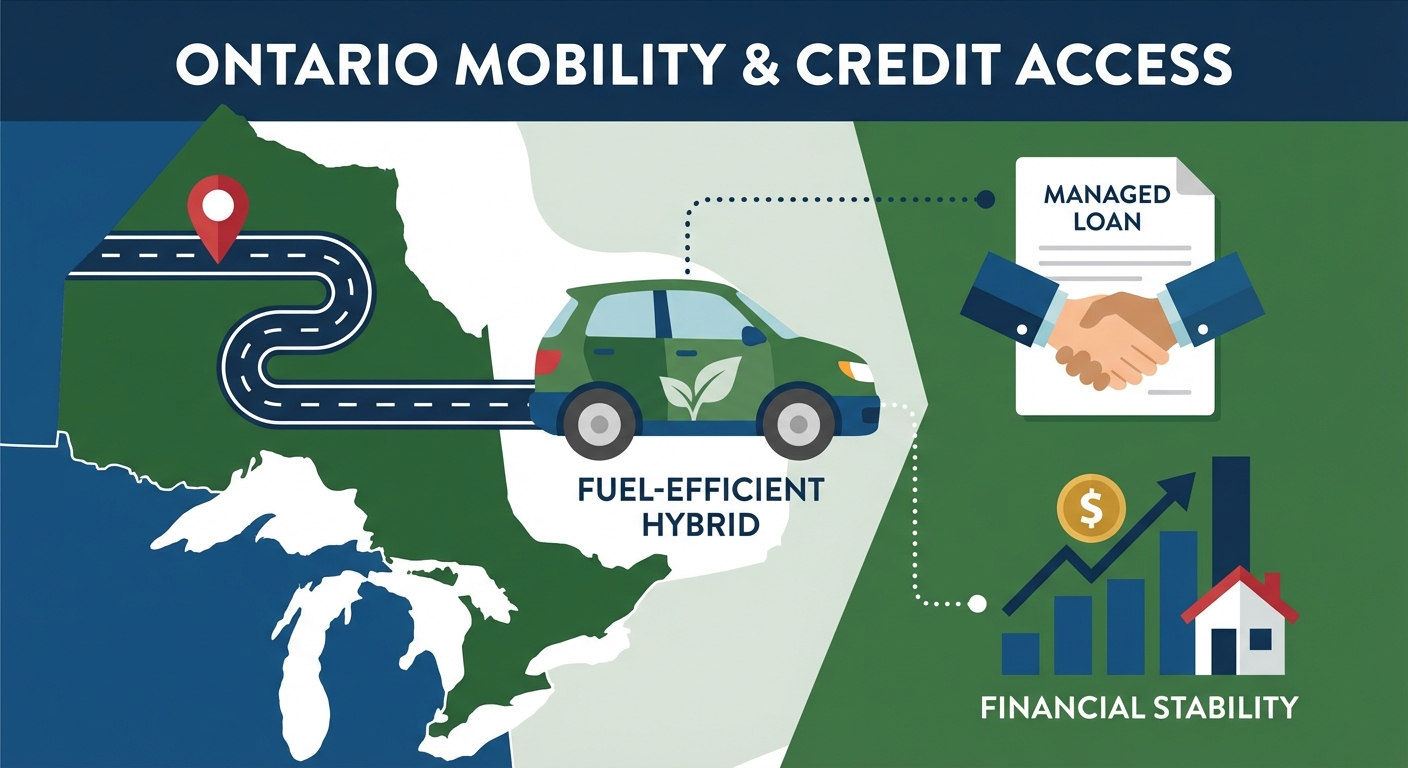
In Ontario, where mobility is often essential for work and life, having a reliable, fuel-efficient hybrid, coupled with a diligently managed loan, can truly be a catalyst for your broader financial recovery and stability.
Your Next Steps to Approval: Seizing Your Hybrid Opportunity in Ontario
A Concise Action Plan: From Research to Driving Your Hybrid Home
Ready to get behind the wheel of your own hybrid in Ontario, even with a low credit score? Here's your clear, actionable roadmap:
- Understand Your Credit: Get your credit reports from Equifax and TransUnion. Review for accuracy and understand your current score.
- Prepare Your Financial Story: Gather all essential documents (proof of income, residency, ID). Be ready to explain any past credit challenges honestly and proactively.
- Research Hybrid Models: Identify reliable, affordable hybrid models that fit your budget and Ontario's driving conditions. Prioritize long-term reliability.
- Secure Pre-Approvals: Apply for pre-approval with a few different lenders, including specialized subprime lenders and credit unions. This gives you leverage.
- Negotiate Smartly: Separate the car price from the loan terms. Use your pre-approvals to negotiate the best possible price for the hybrid and then the most favourable loan terms.
- Scrutinize the Contract: Demand a Full Disclosure Statement. Read every line of the loan agreement, understanding all fees and the total cost of borrowing.
- Drive Home & Pay Diligently: Enjoy your new hybrid! Then, commit to making every payment on time, every month, to rebuild your credit.
- Plan for the Future: Monitor your credit score and consider refinancing after 12-18 months of good payment history to save money.
Final Encouragement: Your Low Credit Score Doesn't Define Your Future Mobility
It's easy to feel discouraged when facing credit challenges. But remember this: your low credit score is a reflection of your past, not a definitive sentence on your future mobility or financial potential. In Ontario, with its forward-looking approach to green transportation and a diverse lending landscape, owning a fuel-efficient hybrid is absolutely within reach, even if your credit isn't perfect.
With the right strategy, preparation, and a willingness to explore all your options, you can overcome the hurdles. You can secure a reliable vehicle that saves you money on fuel, contributes to a cleaner environment, and most importantly, serves as a powerful tool to rebuild your credit and regain financial confidence. Your journey to hybrid ownership in Canada's most populous province starts now, with knowledge and determination.