Posts tagged with: Emergency Cash Loan
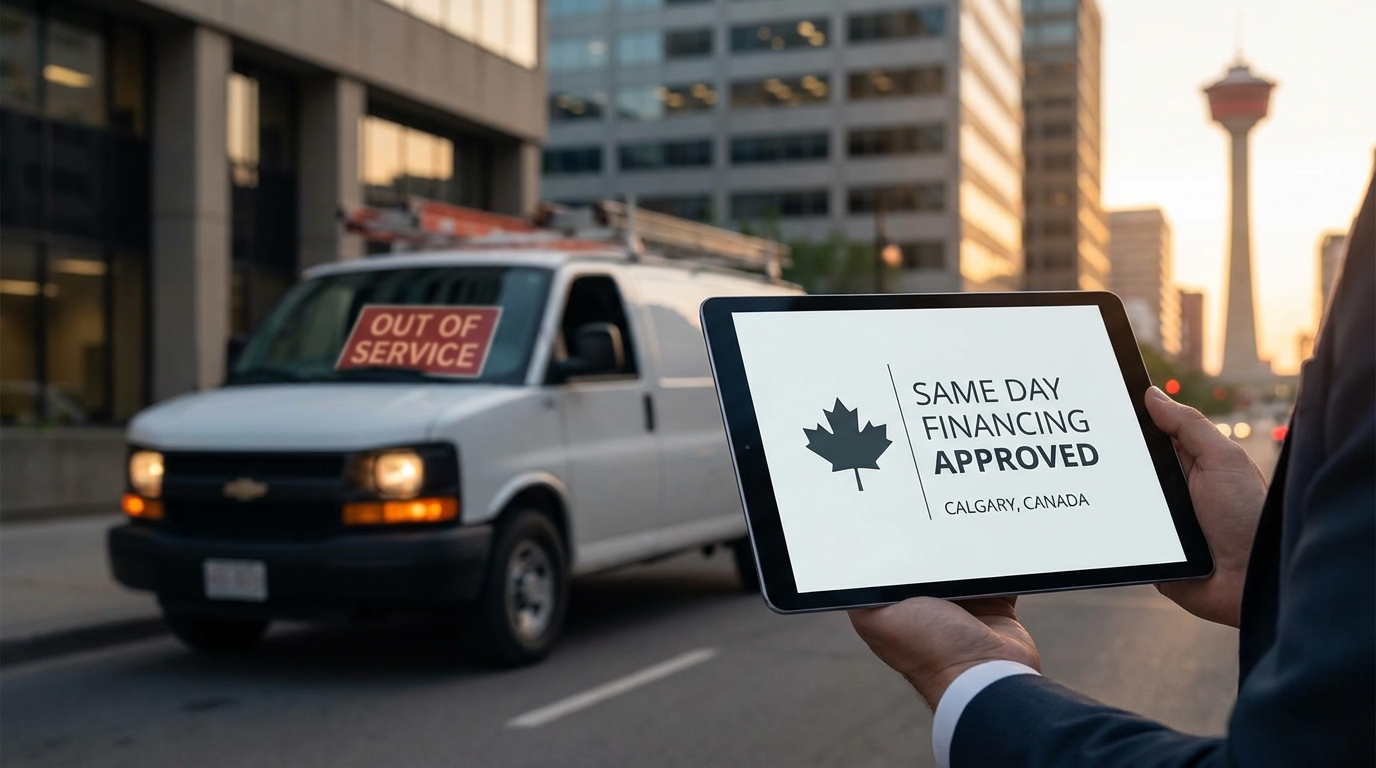
Broken Work Vehicle Financing | Same Day Cash in C...
Your broken work vehicle in Calgary is your ticket to same-day financing. Stop losing income. We tur...

Quebec Bad Credit Car Title Loans: Legit Cash for...
Is a vehicle title loan legitimate in Quebec if you have bad credit? Yes! Unlock fast, legal cash us...

Emergency Cash? Your Car's Title *Is* the Loan. Ge...
Your car's title is pure emergency cash. Get an instant emergency cash loan against car ownership pa...
Emergency Cash Loans in Canada: A Lifeline for Unexpected Expenses
Life in Canada, as we all know, can throw some curveballs. One minute you're cruising along, the next your furnace quits in February or your car needs a major repair. When these unexpected costs hit, and your savings aren't quite ready for them, an emergency cash loan can feel like a necessary lifeline. But what exactly are they, and how do they fit into your financial picture, especially when you're thinking about car loans or building your credit?
What Exactly is an Emergency Cash Loan?
Simply put, an emergency cash loan is a type of personal loan designed to provide quick access to funds for urgent, unforeseen expenses. Unlike a planned loan for a new car or home renovation, these loans are typically for smaller amounts and are meant to be repaid relatively quickly. The goal is to bridge a temporary financial gap, not to serve as a long-term solution.
When Might You Need One?
Unexpected expenses come in all shapes and sizes, and often, they're not things you can just put off. Here are a few scenarios where an emergency loan might come into play:
- Urgent Car Repairs: Your vehicle is essential for work or family, and a sudden breakdown can't wait.
- Home Maintenance: A burst pipe, a broken appliance, or a leaky roof can't be ignored.
- Medical Emergencies: Unforeseen dental work, prescriptions, or other health-related costs.
- Job Loss or Reduced Hours: A temporary income gap while you look for new work.
- Travel for a Family Emergency: Needing to get somewhere quickly to support a loved one.
The Canadian Landscape: Types of Emergency Loans
In Canada, there are a few common types of emergency loans, each with its own structure, interest rates, and repayment terms:
- Payday Loans: These are short-term, high-cost loans, typically for small amounts, meant to be repaid on your next payday. While they offer quick access to cash, their annual percentage rates (APRs) can be extremely high, and they're regulated differently by each province. They should generally be a last resort.
- Personal Loans: Offered by banks, credit unions, and online lenders, these are more traditional loans with fixed repayment schedules and often lower interest rates than payday loans, especially if you have decent credit.
- Lines of Credit: A revolving credit facility that allows you to borrow up to a certain limit, pay it back, and borrow again. Interest is only charged on the amount you've used.
- Car Title Loans: These loans use your car's title as collateral. While they can offer larger sums, they carry significant risk - if you can't repay the loan, you could lose your vehicle. We generally advise extreme caution with these, as your car is often a vital asset.
How Emergency Loans Impact Your Credit & Auto Finance
Taking out an emergency loan, and how you manage it, can definitely affect your credit score and future auto finance prospects:
- Positive Impact: If you take out a personal loan or line of credit and make all your payments on time, it can actually help build a positive credit history, showing you're a responsible borrower. This can be beneficial when you apply for a car loan down the road.
- Negative Impact: Missing payments, defaulting on a loan, or repeatedly relying on high-interest payday loans can severely damage your credit score. A lower credit score means higher interest rates on future car loans, or even difficulty getting approved at all.
- Debt-to-Income Ratio: Lenders for car loans look at your existing debt. An outstanding emergency loan, especially a high-interest one, can increase your debt-to-income ratio, potentially making you seem like a riskier borrower.
Important Considerations Before You Borrow
Before you commit to an emergency cash loan, take a deep breath and consider these points:
- Interest Rates and Fees: Understand the true cost of the loan. Don't just look at the monthly payment; calculate the total amount you'll repay.
- Repayment Terms: Can you realistically afford the payments without straining your budget further?
- Lender Reputation: Stick with reputable, licensed lenders in Canada. Be wary of any lender promising guaranteed approval without a credit check, or those pressuring you to sign quickly.
- Alternatives: Have you exhausted other options? Do you have an emergency fund you can tap into? Can you borrow from family or friends? Is there a payment plan available for the original expense?
- Impact on Future Goals: Think about how this loan might affect your ability to save for a down payment on a car or qualify for a competitive car loan rate in the future.
Building Your Financial Safety Net
While emergency loans can be helpful in a pinch, the best defence against unexpected costs is a strong financial foundation. This means building an emergency fund (even a small one can make a huge difference) and actively working to improve your credit score. At SkipCarDealer.com, we believe that understanding your financial options is key to making smart decisions, whether you're buying a car or navigating life's surprises. If you're struggling with debt or worried about your financial future, consider speaking with a non-profit credit counsellor in Canada.
Remember, an emergency cash loan should be a temporary solution for a temporary problem. Use it wisely, understand the terms, and always aim to repay it as quickly as possible to protect your financial health and credit standing.
