Posts tagged with: Zero Down Car
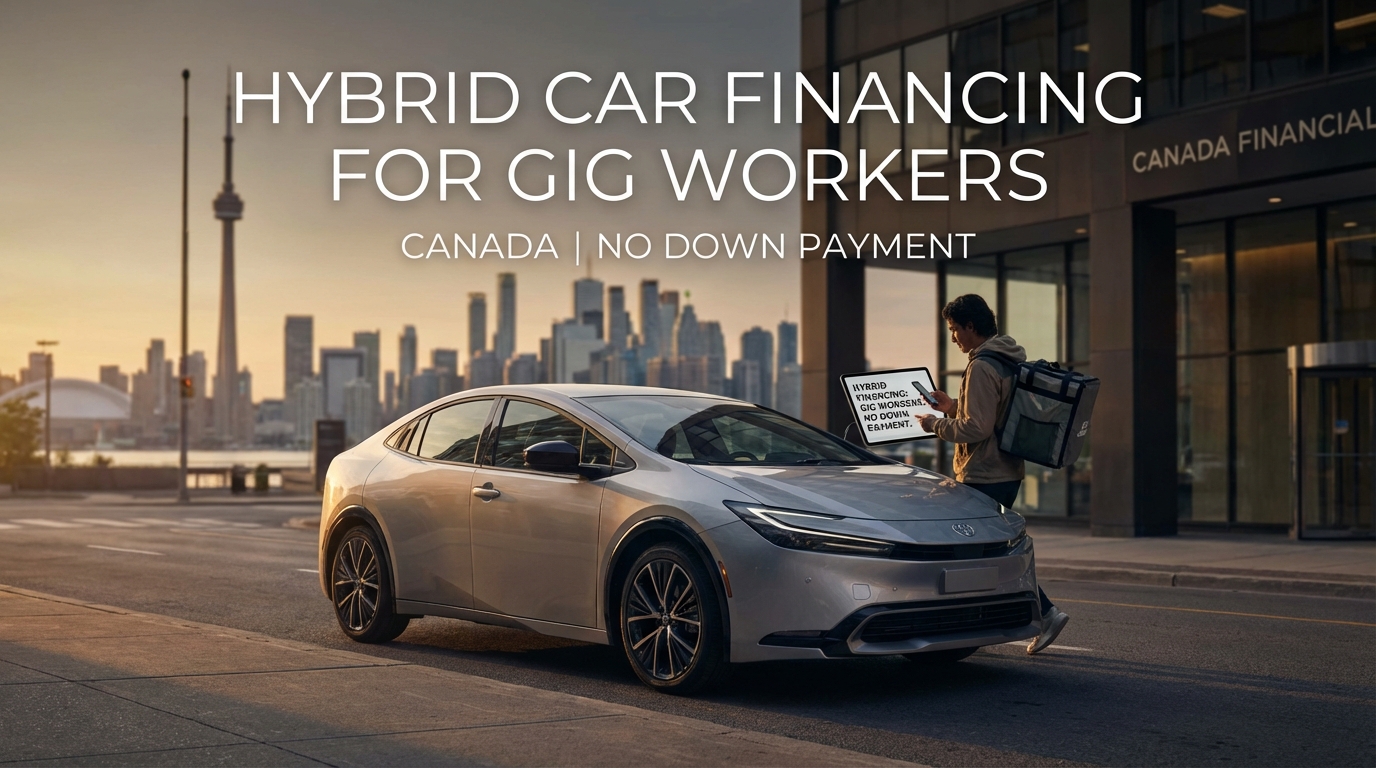
No Down Payment? Your Gig Just Bought a Hybrid. Se...
Canadian gig workers, dream of a hybrid car? Get approved for flexible hybrid car financing for gig...
Bankruptcy? Your Down Payment Just Got Fired.
Thought bankruptcy meant no car without cash? Think again. Get no money down car loan approval after...
Your Down Payment Just Called In Sick. Get Your Ca...
Wondering where to get a car loan after bankruptcy zero down? We specialize in approvals for Canadia...
The Real Deal on Zero Down Car Loans in Canada
So, you're looking for a new set of wheels, and the idea of driving off the lot without shelling out a big chunk of cash upfront sounds pretty great, right? That's the allure of a 'zero down car loan'. It's a popular option in Canada, especially for those who want to keep their savings intact or simply don't have a hefty down payment ready. But what exactly does it mean, and is it the right move for you?
Let's break down zero down car loans, Canadian style, so you can make an informed decision.
What Exactly is a 'Zero Down' Car Loan?
Simply put, a zero down car loan means you're financing the entire purchase price of the vehicle, plus any applicable taxes and fees, without making an initial cash payment. Instead of putting money down to reduce the amount you borrow, your loan covers 100% of the car's value (and sometimes more, if you're rolling in other costs like extended warranties).
Think of it this way: if a car costs $30,000 and you get a zero down loan, you're borrowing the full $30,000 (plus interest, taxes, etc.). With a traditional loan, you might put down $5,000, meaning you'd only borrow $25,000.
Who Are Zero Down Loans For?
While they sound tempting, zero down loans aren't for everyone, but they can be a fantastic option for certain individuals:
- Those with Limited Immediate Cash: If you need a car now but don't have a large sum saved for a down payment, this can get you behind the wheel faster.
- Individuals Who Prefer to Keep Savings Liquid: Maybe you have savings, but you'd rather keep them in an emergency fund or invested elsewhere.
- People Looking to Build Credit (with Caution): For those with decent credit who make all payments on time, a zero down loan can help establish or improve your credit history.
- Applicants with Strong Credit Profiles: Lenders are often more willing to offer zero down options to borrowers with excellent credit scores and stable financial histories.
The Upside of Going Zero Down
There are some clear benefits that make zero down loans attractive:
- Immediate Access: You can get the car you need without waiting to save up a large sum of money.
- Preserve Your Savings: Your emergency fund or other investments remain untouched, giving you financial flexibility.
- Convenience: The process can feel simpler without the added stress of finding a substantial down payment.
- Credit Building Opportunity: If you consistently make your payments on time, this type of loan can positively impact your credit score, showing lenders you're a responsible borrower.
The Downsides You Need to Consider
It's not all sunshine and new car smell. There are important considerations to weigh:
- Higher Monthly Payments: Since you're borrowing the full amount, your principal loan amount is larger, which typically means higher monthly payments compared to a loan with a down payment.
- More Interest Paid Overall: A larger principal loan amount means you'll pay more interest over the life of the loan. Even a small down payment can save you hundreds, if not thousands, in interest.
- Increased Risk of Negative Equity: This is a big one. Cars start depreciating the moment you drive them off the lot. With a zero down loan, you might owe more than the car is worth for a longer period. This is called being 'upside down' or having 'negative equity'. If your car is stolen or written off in an accident, your insurance payout might not cover the full loan amount, leaving you to pay the difference.
- Stricter Qualification: Lenders take on more risk with zero down loans. As a result, they often require a stronger credit score, stable income, and a solid financial history to approve you.
- Longer Loan Terms: To make the higher monthly payments more manageable, some borrowers opt for longer loan terms. While this reduces the monthly burden, it significantly increases the total interest you'll pay over time.
How to Qualify for a Zero Down Loan in Canada
To increase your chances of securing a zero down car loan from a Canadian lender, here's what they'll typically look for:
- Good to Excellent Credit Score: Lenders want to see a history of responsible borrowing. Generally, a score above 650 is a good starting point, but higher is always better for the best rates and terms.
- Stable Income and Employment: You'll need to demonstrate consistent income that can comfortably cover the loan payments, along with your other expenses.
- Low Debt-to-Income Ratio: Lenders will assess how much of your income is already going towards existing debt. A lower ratio shows you have more room in your budget for a new car payment.
- The Right Vehicle: Newer, more reliable vehicles often qualify more easily for zero down financing because they hold their value better, reducing the lender's risk.
Is a Zero Down Car Loan Right for You?
Ultimately, the decision to pursue a zero down car loan depends on your personal financial situation and priorities. It's a fantastic option if you have strong credit, stable income, and prefer to keep your cash reserves intact. However, if your budget is tight, your credit score is just okay, or you're concerned about paying more interest or facing negative equity, a down payment might be a smarter move.
Before you commit, always compare different loan offers, understand the full cost of the loan (including interest over the term), and consider how the monthly payments will fit into your budget. Talking to a finance expert can also help you weigh your options and find the best path forward for your unique circumstances.
