Posts tagged with: Active R9 Car Loan
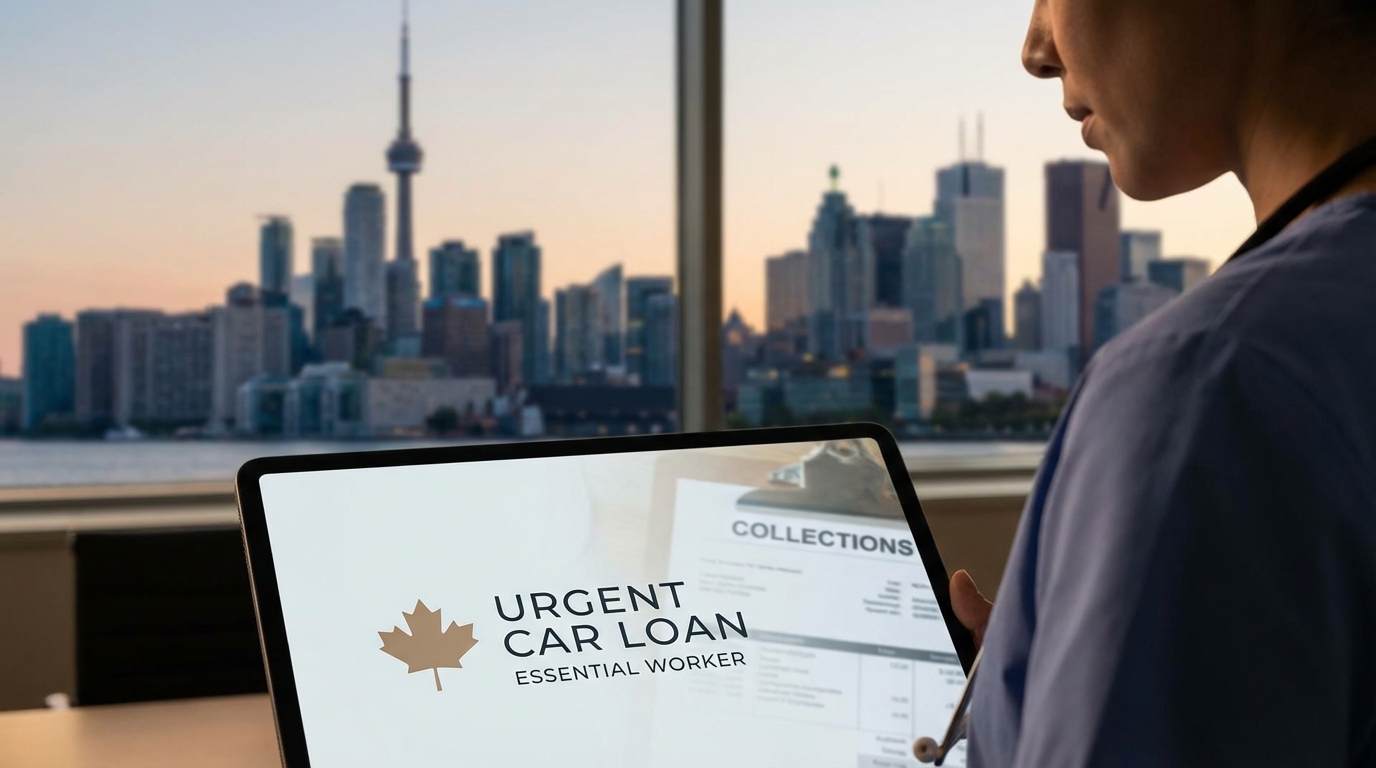
Toronto Essential: Collections? Drive *Anyway*.
Urgent car loan for essential worker with active collections in Toronto? We say yes. Get pre-approve...

Toronto's Active R9? Your Car Loan Didn't Get the...
Wondering how to get a car loan with an active R9 credit rating in Ontario? Skip the bank drama. We...

Active Collections? Your Car Loan Just Got Active,...
Facing active collections? Get real car loan approval with active collections Canada! SkipCarDealer....
Navigating an Active R9 Car Loan: Your Path to Recovery
If you've heard the term 'Active R9 Car Loan' in relation to your own finances, it's a serious flag that needs immediate attention. In Canadian auto finance, an 'R9' rating isn't just a number; it signals that a debt, in this case, your car loan, has gone into severe default and has likely been sent to a collection agency or written off by the original lender as a bad debt.
While this might sound daunting, understanding what an Active R9 Car Loan means and what steps you can take is the first crucial move towards recovery and rebuilding your financial health.
What Exactly is an R9 Rating in Canada?
In Canada, credit reporting agencies like Equifax and TransUnion use a system to rate how reliably you pay your debts. For installment loans like car loans, this is often an 'R' rating followed by a number from 1 to 9:
- R1: You pay your loan on time, every time. Excellent!
- R2-R8: These indicate varying degrees of late payments, from 30 days past due (R2) to 120 days or more (R8).
- R9: This is the most serious rating. An R9 means the account has been classified as a 'bad debt.' This typically happens when payments are severely delinquent (often 180 days or more past due), the account has been sent to collections, or the lender has written off the debt.
An 'Active' R9 Car Loan specifically means that this delinquent car loan is still an open and ongoing issue on your credit file, actively being pursued for collection.
How a Car Loan Becomes an "Active R9"
A car loan doesn't jump straight to an R9 overnight. It's usually a progression:
- Missed Payments: You start missing one or more monthly payments.
- Increasing Delinquency: As more payments are missed, your account becomes 30, 60, 90, 120, and then 180+ days past due. Each stage is reflected in your credit report with a higher 'R' number.
- Default & Repossession: Eventually, the loan goes into default. The lender has the right to repossess the vehicle to try and recover their losses.
- Collection & Write-Off: If the vehicle is repossessed and sold, and there's still a balance owing (a 'deficiency balance'), or if the lender can't recover the vehicle, the remaining debt is often sent to a collection agency or written off by the original lender. At this point, it becomes an R9.
The Impact on Your Credit and Future
An Active R9 Car Loan is a significant negative mark on your credit report in Canada. Here's what it means:
- Damaged Credit Score: Your credit score will drop significantly, making it very difficult to get approved for new credit.
- Future Borrowing Challenges: Lenders (for mortgages, personal loans, credit cards, or even another car loan) will see the R9 and view you as a high-risk borrower. You'll likely face rejections or extremely high interest rates if approved.
- Higher Insurance Premiums: Some insurance companies consider credit scores when calculating premiums.
- Difficulty with Rentals: Landlords often check credit reports, and an R9 can make it harder to secure housing.
- It Lingers: An R9 rating can remain on your credit report for up to six or seven years from the date of last activity, even after it's paid or settled.
What to Do If You Have an Active R9 Car Loan
Discovering you have an Active R9 Car Loan can be overwhelming, but it's not a dead end. Here are crucial steps to take:
- Don't Ignore It: Ignoring the problem will only make it worse. Collection agencies will continue to pursue the debt, and interest may accrue.
- Contact the Lender/Collection Agency: Reach out to whoever is currently managing the debt. Be prepared to discuss the outstanding balance, any interest or fees, and potential payment options.
- Understand Your Options:
- Payment Plan: Can you negotiate a manageable payment plan to pay off the remaining balance?
- Settlement: Sometimes, collection agencies or lenders will agree to accept a lump sum payment that is less than the full amount owed to close the account. Get any settlement agreement in writing!
- Seek Professional Advice: Consider contacting a non-profit credit counselling agency in Canada. They can help you understand your options, negotiate with creditors, and create a budget to get back on track. They are a fantastic resource.
- Review Your Credit Report: Get a copy of your credit report from Equifax and TransUnion. Ensure the R9 entry is accurate and reflects any payments or settlements you make.
- Start Rebuilding Your Credit: Once the R9 account is settled or on a payment plan, focus on rebuilding. This might involve secured credit cards, small credit-builder loans, or ensuring all other bills are paid on time.
Preventing an R9 Situation
The best way to deal with an R9 is to avoid it entirely. If you ever find yourself struggling to make car loan payments:
- Communicate Early: Don't wait until you've missed payments. Contact your lender as soon as you anticipate financial difficulty. They may offer options like deferrals, revised payment schedules, or interest-only payments.
- Review Your Budget: Regularly assess your income and expenses to ensure your car loan payment is affordable.
- Build an Emergency Fund: Having a financial cushion can help you cover payments during unexpected job loss or illness.
An Active R9 Car Loan is a serious challenge, but with a proactive approach and a commitment to financial recovery, you can navigate this situation and work towards a healthier credit future.
