Posts tagged with: Post Divorce Auto

Splitting Assets? Car Loan Options After Marriage...
Financially uncoupling? Don't let it stall your life. We specialize in car loan options after marria...
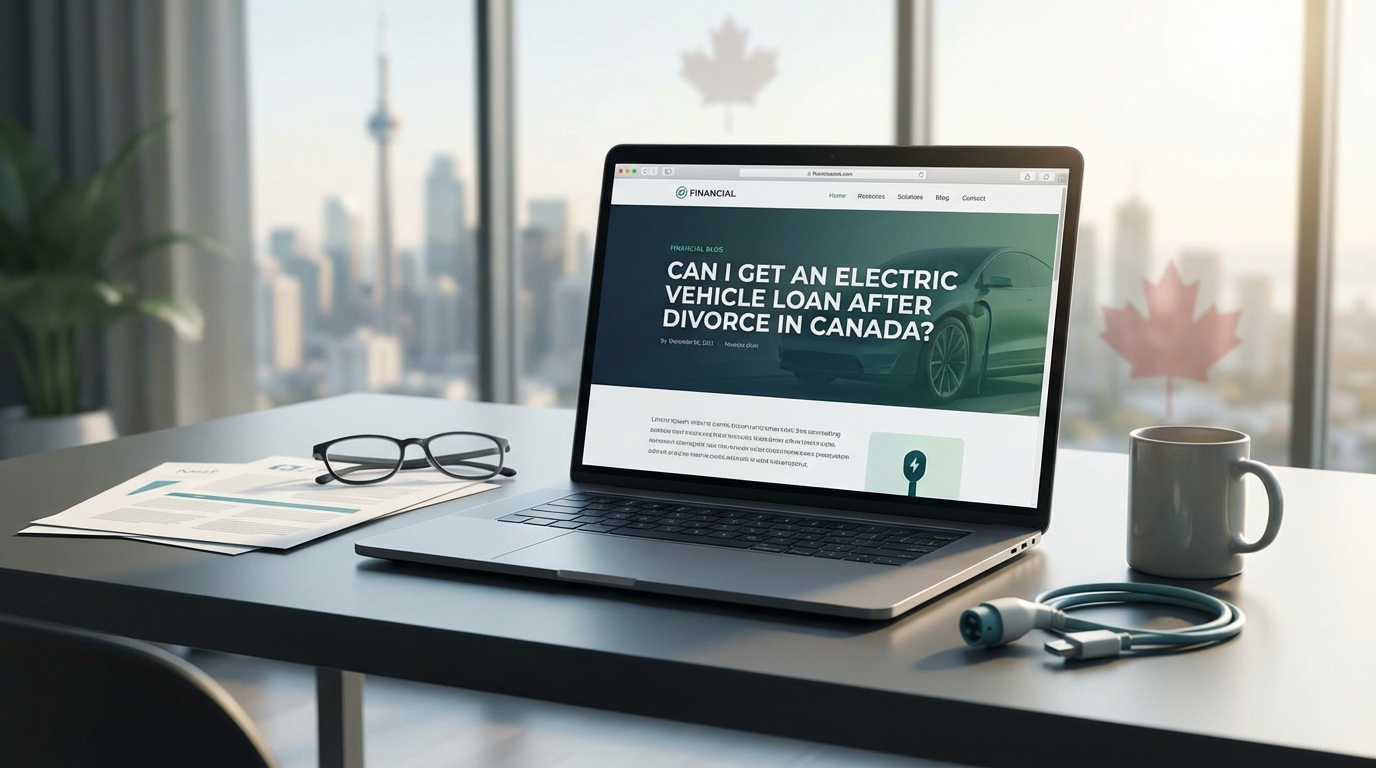
EV Loan After Divorce? Your 2026 Approval Guide
Finalized your divorce? Getting an electric vehicle loan is your next step forward. Our 2026 guide s...

Ontario Divorcees: Your Assets Outrank Your Ex. Dr...
High net worth divorce in Ontario? Secure private auto credit solutions that value your assets, not...

Ontario Divorcees: Your Car Loan Just Signed Its O...
Find the best car loan options for divorcees without spousal support Ontario. Drive confidently into...
Your Car Loan After Divorce: A Canadian Guide to Getting Back on Track
Going through a divorce is tough, and figuring out your finances afterwards, especially something as crucial as transportation, can feel overwhelming. Many Canadians find themselves needing a new car, or a new car loan, after a separation, and it's completely normal to feel a bit lost on how to navigate it all. The good news is, with the right approach and a clear understanding of how auto finance works in Canada, you absolutely can get back on the road.
How Divorce Impacts Your Credit and Car Loan Chances
It's no secret that divorce can shake up your financial standing. When it comes to car loans and your credit, here's what often happens:
- Joint Debts: If you had joint car loans, mortgages, or credit cards with your ex-partner, both of your credit reports typically reflect the payment history for those accounts. If payments were missed during or after the separation, both your credit scores could take a hit, even if one person was solely responsible for making the payment.
- Credit Score Fluctuations: Your credit score might change for a few reasons. If you took on new debt, closed old accounts, or if your ex defaulted on a joint account, it can all affect your score. Lenders look at this score to gauge your reliability.
- Income Changes: Your household income likely changed, which affects your debt-to-income ratio - a key factor lenders consider when assessing your ability to repay a new loan.
The key here isn't to dwell on the past, but to understand its implications so you can plan for the future.
Preparing for Your Next Car Loan
Before you even start looking at vehicles, a little prep work can make a huge difference in your car loan approval odds and the interest rate you qualify for.
- Get Your Credit Report: In Canada, you can get a free copy of your credit report from Equifax Canada and TransUnion Canada. Review it carefully for any errors or accounts that should have been removed (like if your name was taken off a joint loan). This is your chance to dispute inaccuracies.
- Understand Your Budget: Be realistic about what you can afford for a monthly car payment, insurance, fuel, and maintenance. Your new financial reality might be different, so create a new budget that reflects your current income and expenses. Don't forget to factor in potential interest rates.
- Gather Your Documents: Lenders will typically ask for proof of income (pay stubs, employment letter), proof of residence, and banking information. Having these ready will speed up the application process.
Strategies for Getting Approved Post-Divorce
Lenders want to see stability and a clear ability to repay a loan. Here are some strategies that can help you secure a car loan after a divorce:
- Consider a Down Payment: Even a small down payment can significantly improve your chances. It reduces the amount you need to borrow, shows financial responsibility, and can sometimes lead to a lower interest rate.
- Look for a Co-Signer (Carefully): If your credit has taken a substantial hit, a co-signer with good credit might help you get approved. However, remember that a co-signer is equally responsible for the loan, so choose someone you trust and who understands the commitment.
- Explore Different Vehicle Options: You might need to adjust your expectations for your first post-divorce car. A more affordable, reliable used vehicle might be a better option than a brand-new luxury model, especially if you're rebuilding your credit. Lower loan amounts are often easier to get approved for.
- Show Stable Income and Employment: Lenders favour applicants with consistent employment and a steady income. If you've recently changed jobs, be prepared to explain your situation and demonstrate your stability.
Rebuilding Your Credit for a Brighter Future
Even if you get a loan now, actively working to rebuild your credit will benefit you greatly down the road, not just for future car loans, but for mortgages, credit cards, and more.
- Secured Credit Cards: These cards require a security deposit, which acts as your credit limit. They're a fantastic way to demonstrate responsible credit use. Make small purchases and pay them off in full and on time every month.
- Small Installment Loans: Sometimes, a small personal loan (even for something like a new appliance) that you pay off consistently can help. The key is to make every payment on time.
- Pay All Bills On Time: This might seem obvious, but consistent, on-time payments across all your bills (utilities, rent, phone, existing credit cards) are crucial for a healthy credit score. Payment history is one of the biggest factors.
- Keep Credit Utilization Low: Try to use no more than 30% of your available credit on any credit card.
Driving Forward with Confidence
Divorce is a chapter, not the whole book. While it can present financial challenges, especially when it comes to something like a car loan, it's also an opportunity to build a stronger, more independent financial future. By understanding your credit, planning your budget, and taking proactive steps to rebuild, you can absolutely secure the transportation you need and drive forward with confidence. We're here to help you navigate these waters and find the right auto finance solution for your unique situation.
