Posts tagged with: Negative Equity Auto Loan

Your Car's Baggage (The Loan) Vanishes. Sell It Fa...
Wondering how to sell a car with an outstanding loan quickly in Vancouver or British Columbia? Your...

Vancouver: Your SkipTheDishes Hustle *Is* Your Car...
Vancouver SkipTheDishes driver with negative equity? Get urgent car financing at SkipCarDealer.com!...

Underwater Car Loan? Perfect. We'll Refinance It,...
Owe more than your car's worth in Toronto? Don't stress. We specialize in helping Canadians refinanc...
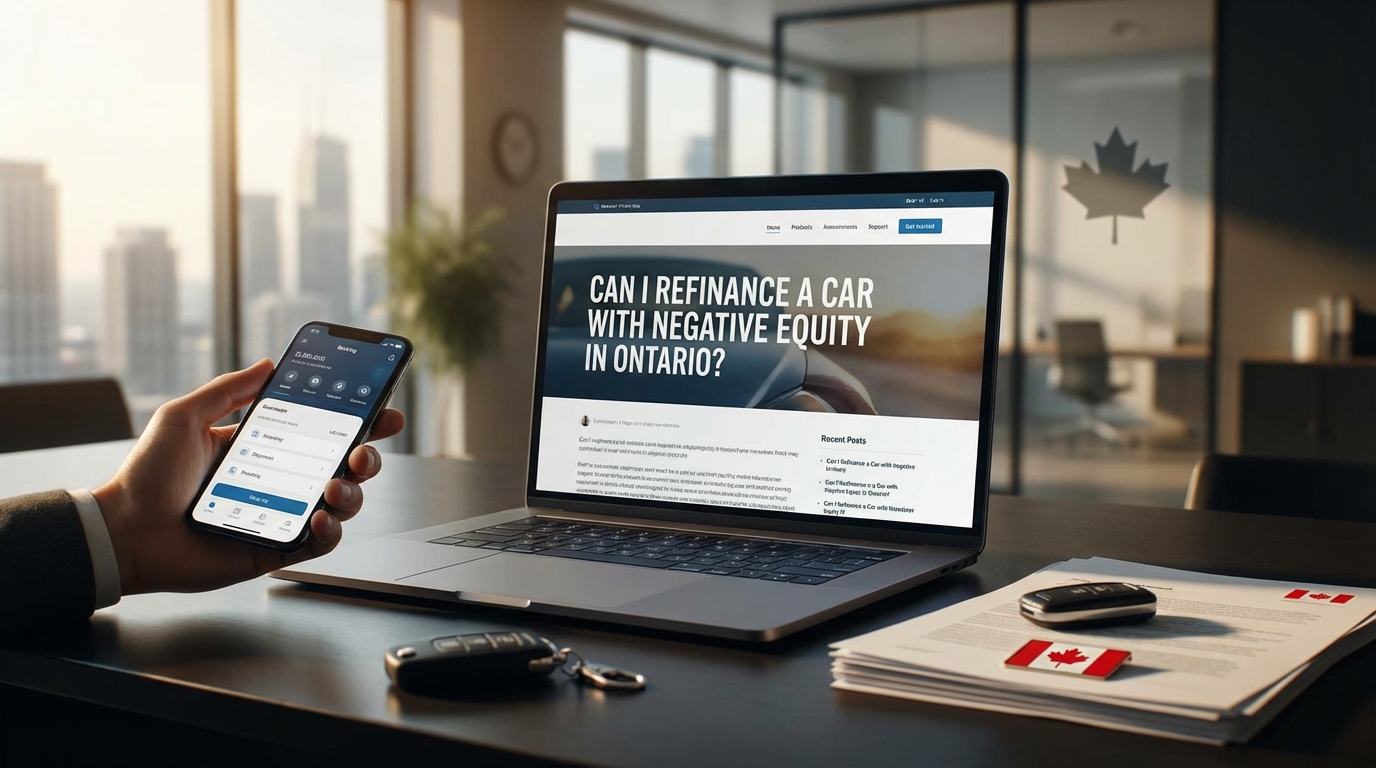
Negative Equity in Ontario? Your 'No' Just Became...
Wondering 'Can I refinance a car with negative equity in Ontario?' At SkipCarDealer.com, the answer...
Stuck Upside Down? Your Guide to Negative Equity Car Loans in Canada
Ever heard the term 'upside down' on a car loan? It's a common way to describe negative equity, and it essentially means you owe more money on your vehicle than it's actually worth. It's a tricky spot to be in, but it's more common than you might think, especially here in Canada where new cars can depreciate quickly. Let's break down what negative equity is, why it happens, and what you can do about it.
What Exactly is Negative Equity?
Think of it this way: if you went to sell your car today, and the market value you'd get for it is $15,000, but you still have $18,000 left to pay on your loan, you've got $3,000 in negative equity. You're 'underwater' or 'upside down' on your loan. It means if you sold the car, you'd still owe the lender money out of your own pocket.
How Do Canadian Drivers End Up With Negative Equity?
There are a few common roads that lead to negative equity:
Rapid Depreciation: New cars lose a significant chunk of their value the moment they drive off the lot. If your car depreciates faster than you're paying down the loan principal, you can quickly find yourself in negative equity.
Small or No Down Payment: A larger down payment helps bridge the gap between the purchase price and the car's immediate depreciated value. Without one, you're financing almost the entire value, making it easier to go upside down.
Longer Loan Terms: While longer terms mean lower monthly payments, they also mean you're paying off the principal slower. This gives depreciation more time to outpace your payments.
Rolling Over Previous Negative Equity: This is a big one. If you traded in a car that had negative equity, and the dealership rolled that amount into your new car loan, you start your new loan already owing more than the new car is worth. It's like a snowball effect.
High Interest Rates: A higher interest rate means more of your early payments go towards interest rather than the principal, slowing down your equity build-up.
Why is Negative Equity a Problem?
Being upside down on your car loan isn't just an accounting quirk; it can create real headaches:
Difficulty Trading In or Selling: If you want a new car, you'll either have to pay the difference out of pocket or roll that negative equity into your new loan, making your next car even more expensive.
Financial Risk in an Accident: If your car is stolen or written off in an accident, your insurance company will pay out the car's actual cash value, not what you owe. If you have negative equity and don't have GAP (Guaranteed Asset Protection) insurance, you'll be on the hook for the difference.
Higher Monthly Payments: If you keep rolling negative equity into new loans, your monthly payments will naturally climb, putting a strain on your budget.
What Can You Do About Negative Equity?
If you find yourself in this situation, don't panic. There are steps you can take:
Pay Extra Towards Your Principal: Even small extra payments can make a big difference over time. Make sure these extra payments are applied directly to the principal balance, not just future interest.
Keep Your Car Longer: The longer you own a car, the more your loan balance decreases and the slower its depreciation becomes (after the initial steep drop). Eventually, your loan balance will likely fall below the car's value.
Consider Refinancing (Carefully): If your credit score has improved since you got the original loan, you might qualify for a lower interest rate. Refinancing could reduce your overall interest paid, allowing more of your payment to go towards the principal. However, avoid extending the loan term too much, as this can prolong the negative equity issue.
Save Up to Cover the Difference: If you absolutely need to sell or trade in, start saving to pay off the negative equity. This allows you to start fresh with your next vehicle purchase.
Look into GAP Insurance: If you're buying a new car and are worried about rapid depreciation or starting with negative equity, GAP insurance can protect you. It covers the difference between what your insurance pays and what you still owe if your car is written off.
How to Avoid Negative Equity in the Future
Prevention is always better than cure. Here's how to steer clear of negative equity:
Make a Larger Down Payment: Aim for at least 10-20% of the purchase price, or more if possible. This immediately builds equity and reduces the amount you need to finance.
Choose a Shorter Loan Term: While monthly payments will be higher, you'll pay off the principal faster and reduce the total interest paid, building equity more quickly.
Don't Roll Over Old Negative Equity: If you have negative equity on your current car, try to pay it off before you trade it in. Starting a new loan with existing debt is a recipe for disaster.
Research Vehicle Depreciation: Some cars hold their value better than others. Look at depreciation trends for models you're considering.
Factor in All Costs: Remember sales tax (like HST or GST/PST), licensing, and other fees when calculating your total financed amount. These add to your loan balance without adding to the car's actual value.
Navigating negative equity on your car loan can feel daunting, but with a clear understanding of the situation and a plan, you can absolutely get back on solid ground. At SkipCarDealer.com, we believe in empowering Canadian drivers with the knowledge to make smart financial decisions. If you're looking for finance options, understanding your equity position is a critical first step.
