Posts tagged with: Car Repair Financing

Vehicle Repair Finance After Separation in BC | Sk...
Facing vehicle repair financing during a marital separation in BC? We get it. Our process skips the...
Broken Work Vehicle Financing | Same Day Cash in C...
Your broken work vehicle in Calgary is your ticket to same-day financing. Stop losing income. We tur...

Vehicle Loan for Car Without Safety Inspection: Ge...
Worried you can't get a vehicle loan for a car without a safety inspection? SkipCarDealer.com specia...
Sell Car with Major Repairs? Vancouver 2026 Trade-...
Don't get stuck asking 'how to sell a car with major repairs needed' in 2026. SkipCarDealer.com in V...
Alberta Bankruptcy Discharged: Unstuck Your Car. (...
Bankruptcy discharged in Alberta? Don't let a broken car stall your fresh start. Discover how to get...
Self-Employed, Car Stuck? Skip the Pay Stub. Get R...
Self-employed in Canada with a broken car? We offer car repair loans for self employed no proof of i...
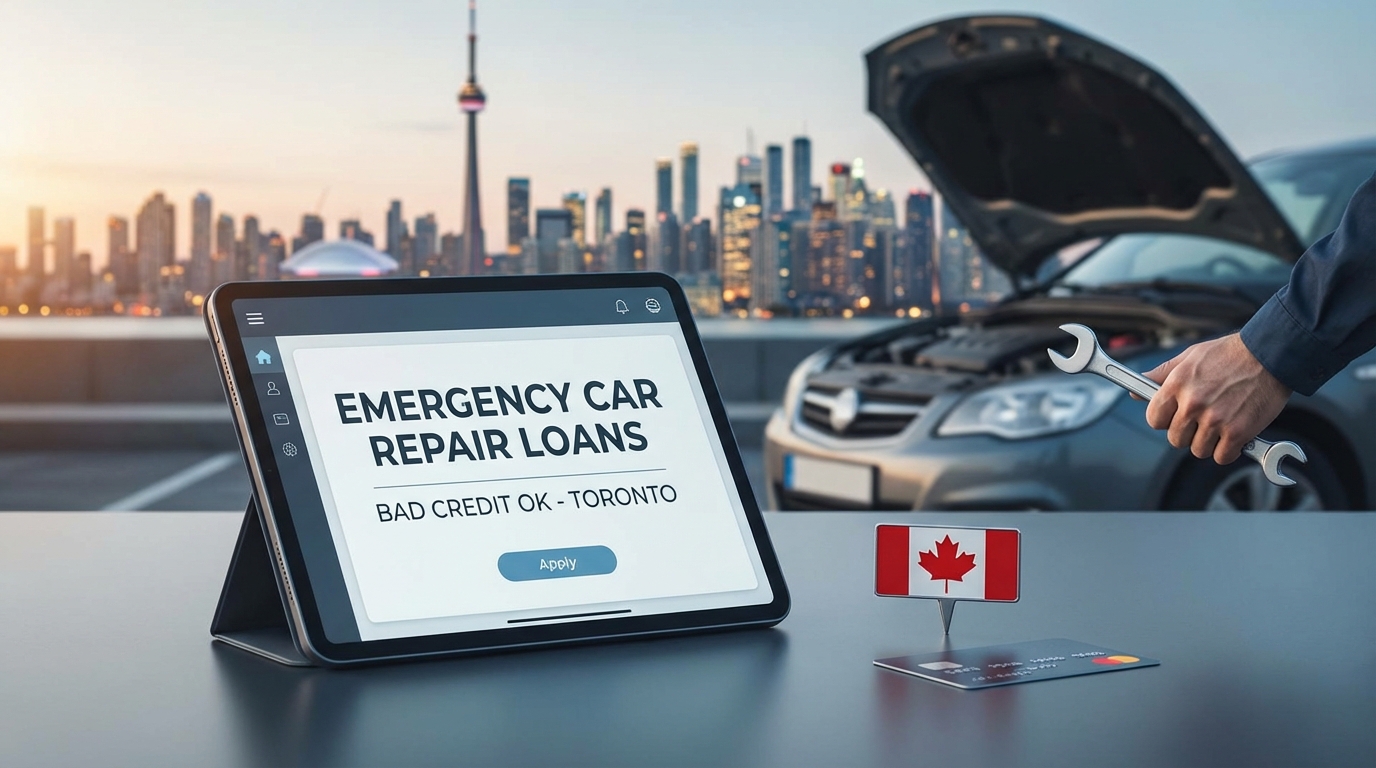
Flat Tire, Flat Credit? Toronto, We've Got Your Fi...
Car emergency in Toronto with bad credit? Don't stress. We offer fast, easy emergency car repair loa...
That dreaded check engine light, the grinding noise from your brakes, or the sudden clunk that tells you something serious is wrong with your vehicle. It's a gut punch, isn't it? Car repairs are almost always unexpected, and they rarely come cheap. Nobody likes an unplanned bill, especially one that can run into hundreds or even thousands of dollars. But keeping your car reliable and safe is non-negotiable, particularly here in Canada where we often depend on our vehicles daily.
Why Car Repairs Often Catch Us Off Guard
Even with regular maintenance, parts wear out, systems fail, and accidents happen. What might start as a small issue can quickly escalate. The problem is, most of us don't have a dedicated "car repair fund" sitting around. So, when a big repair bill lands, it can throw your budget into a tailspin. That's where understanding your financing options comes in handy.
Your Canadian Options for Financing Car Repairs
While dipping into savings is always the ideal solution, it's not always realistic. Luckily, there are several ways Canadians can finance necessary car repairs. Let's explore them:
1. Personal Loans (Unsecured)
An unsecured personal loan from a bank, credit union, or online lender can be a solid option. You borrow a set amount and repay it over a fixed period, usually with a consistent interest rate.
- Pros: Often lower interest rates than credit cards, predictable monthly payments, and you can usually get the funds quickly. It won't tie up an asset like your home.
- Cons: Requires a decent credit score for the best rates. Approval isn't guaranteed, and application processes can take a few days.
2. Credit Cards
For smaller repairs, or if you have a card with a low interest rate or a promotional 0% APR offer, a credit card can be a quick fix.
- Pros: Immediate access to funds, convenient if you already have a card.
- Cons: High interest rates if you don't pay off the balance quickly. Carrying a large balance can negatively impact your credit utilization ratio, which affects your credit score.
3. Dealership or Repair Shop Financing
Many repair centres, especially larger dealerships, offer their own financing plans or partner with third-party lenders. These are specifically designed for service and parts.
- Pros: Convenient, often quick approval, sometimes special promotional rates (e.g., "no interest for 6 months").
- Cons: Interest rates can be high after promotional periods. You might be limited to that specific shop, which could mean less competitive repair pricing. Always read the fine print!
4. Line of Credit (Personal or Home Equity)
If you have a personal line of credit (LOC) or a home equity line of credit (HELOC), you can draw funds as needed, up to your approved limit. You only pay interest on the amount you use.
- Pros: Flexible, often lower interest rates than credit cards, especially for HELOCs. You can reuse the funds.
- Cons: HELOCs use your home as collateral, meaning your home is at risk if you default. Personal LOCs still require good credit for favourable rates.
5. Savings (The Best-Case Scenario)
Okay, this isn't "financing" in the traditional sense, but it's always the preferred method if you have an emergency fund. No interest, no debt, no stress!
- Pros: No debt, no interest payments, preserves your credit.
- Cons: Requires foresight and discipline to build up an emergency fund.
What to Consider Before You Borrow
Before you commit to any financing option, take a moment to weigh your choices:
- Interest Rates & Fees: Compare the Annual Percentage Rate (APR) across different options. Don't forget to ask about any administrative fees or penalties.
- Repayment Terms: How long do you have to pay it back? Can you comfortably afford the monthly payments without straining your budget?
- Your Credit Score: A higher credit score generally unlocks better interest rates. Know where you stand before applying.
- Shop Around for Repairs: Get a few quotes for the repair itself. Don't just go with the first estimate. Sometimes, a different mechanic can save you hundreds, reducing the amount you need to finance.
Building a Financial Buffer for Future Repairs
The best defence against unexpected repair costs is preparation. Here are a few tips:
- Start an Emergency Fund: Even putting aside $25-$50 a month can build a significant cushion over time. Designate it specifically for car repairs or other emergencies.
- Regular Maintenance: Staying on top of oil changes, tire rotations, and scheduled service can prevent minor issues from becoming major, costly problems down the road.
- Consider an Extended Warranty (with caution): While not for everyone, a good extended warranty can cover significant repair costs after your manufacturer's warranty expires. Just be sure to read the contract carefully and understand what is and isn't covered, and consider the cost versus potential benefits.
Facing a big car repair bill is never fun, but knowing your financing options can help you make a smart, informed decision. Keep your vehicle running smoothly and your finances on track!
