Sell Car with Major Repairs? Vancouver 2026 Trade-Up Guide.
Table of Contents
- Key Takeaways
- The Vancouver Automotive Gauntlet: Facing Down Major Repairs in a Dynamic Market
- Why Vancouver's Market is Different
- The Dilemma: Fix it, Sell it As-Is, or Trade it Up?
- Beyond a Flat Tire: What 'Major Repairs' Really Mean for Your Car's Value (and Vancouver's Roads)
- Defining 'Major Repairs'
- The Ripple Effect: How One Major Repair Can Signal Deeper, Hidden Problems
- The Repair Estimate Shock: Understanding Why Local Vancouver Mechanics' Quotes Can Be So High
- Devaluing Dilemma: Real-World Appraisal for Your Repair-Heavy Ride in BC
- The Standard Valuation Doesn't Apply
- The 'What's it Worth Broken?' Equation
- ICBC's Role in Valuation (Indirectly)
- Tools & Tactics: Leveraging Online Classifieds for Similar Damaged Vehicles
- The 'As-Is' Gambit: Navigating Private Sales with Full Disclosure in British Columbia
- The Legal Landscape of 'As-Is' in BC
- Crafting the Perfect Listing: Honesty is the Best Policy
- Targeting Your Audience: Where to Advertise for Maximum Impact
- Preparing for the Sale: What Documents You Must Have Ready
- Negotiation Tactics for a Damaged Car
- Dealership Diplomacy: Maximizing Your Trade-Up Value (Even with Wreckage) in Vancouver's Competitive Market
- The Dealer's Perspective: Why They're Hesitant
- Trade-In vs. Cash Offer: Understanding the 'Shell Game'
- The 'Trade-Up' Advantage: How a Dealer Might Be More Willing
- Negotiating the Trade: Strategies for Presenting Your Vehicle
- Vancouver Dealership Dynamics: Which Types of Dealerships Might Be More Receptive
- Beyond Repair: When to Call the Scrappers – Vancouver's Top Auto Recyclers and Parting-Out Strategies
- The Tipping Point: Calculating When the Cost of Repair or Hassle Outweighs Scrap Value
- Scrap Yards in the Lower Mainland: Identifying Reputable Auto Recyclers
- The Parting-Out Playbook: For the Mechanically Inclined
- Environmental Considerations in BC
- Digital Disposals: Online Platforms and Specialty Buyers for Damaged Vehicles Across Canada
- Beyond Local: Expanding Your Reach to National Online Auction Sites
- Platform Pros and Cons
- Shipping & Logistics: Understanding the Costs and Complexities
- Targeting the Mechanic Community
- The Fine Print & Hidden Costs: Legal Disclosure, Buyer Protections, and Unexpected Fees in BC
- ICBC Transfer & Tax Obligations
- The 'Lemon Law' Myth vs. Reality in BC
- Potential Liability: What Happens If a Major Repair Issue Arises After the Sale?
- Avoiding Scams: Protecting Yourself from Fraudulent Buyers or Payment Schemes
- Vancouver 2026: Navigating the Future of Vehicle Sales – EV Transition, Emissions, and Market Shifts
- The Road to 2026: How BC's Aggressive EV Mandates and Increasing Carbon Taxes Will Impact the Market
- Depreciation Acceleration: Predicting How the Value of Gas-Powered Cars Will Decline Further
- Incentives and Disincentives: Exploring Potential Future Government Programs
- The 'Right to Repair' Movement: How Evolving Legislation Might Impact Cost and Availability of Parts
- Vancouver's Green Initiatives: Understanding How Local Bylaws and Infrastructure Development Will Continue to Favour Cleaner Vehicles
- Your Next Ride: Securing Financing for Your New Vehicle – Dealer Loans vs. Bank Loans in BC
- The Trade-Up Financing Challenge: How Selling a Damaged Vehicle Might Affect Your Next Purchase
- Dealer Financing: Convenience vs. Cost
- Bank & Credit Union Loans: The Independent Advantage
- The Importance of Your Credit Score
- Your Next Steps to a Smarter Trade-Up in Vancouver
- Frequently Asked Questions (FAQ) About Selling a Car with Major Repairs in BC
Selling a car in Vancouver is always a journey, but what happens when your trusty vehicle is burdened with major mechanical or structural issues? The thought alone can be daunting, especially with Vancouver's dynamic market, high cost of living, and an increasing focus on environmental sustainability. This isn't just about a flat tire or a minor dent; we're talking about engine failure, transmission woes, or frame damage that could make your car more of a liability than an asset.
As we look towards 2026, the automotive landscape in British Columbia is evolving rapidly, with aggressive EV mandates and shifting consumer priorities. This guide cuts through the complexity, offering a strategic roadmap for Vancouver car owners facing significant repair bills. We'll explore every viable option, from savvy private sales with full disclosure to strategic dealership trade-ins, and even responsible scrapping. Our goal is to empower you with the knowledge to make the most financially sound decision for your repair-heavy ride, ensuring a smooth transition to your next vehicle.
Key Takeaways
- Selling a car with major repairs in Vancouver requires strategic planning and transparency.
- Your primary options are private sale (as-is), dealer trade-in, or parting out/scrapping.
- Full disclosure of known defects is legally crucial in British Columbia to avoid future liability.
- Researching market value for damaged vehicles is different from standard appraisals; factor in repair estimates.
- The '2026' landscape hints at evolving market trends, including EV adoption and potential regulatory shifts in BC.
- A dealer trade-in can simplify the process but often yields lower value; be prepared to negotiate fiercely.
The Vancouver Automotive Gauntlet: Facing Down Major Repairs in a Dynamic Market
Having a vehicle with significant mechanical or structural issues in a bustling, environmentally conscious city like Vancouver presents a unique set of challenges. It's not just about getting rid of a problem; it's about navigating a complex market where every decision has financial and logistical implications.
So, how do you sell a car with major repairs needed? It requires understanding your options, knowing your legal obligations, and setting realistic expectations. The process involves more than just listing your car; it means accurately assessing its diminished value, strategically marketing it to the right buyers, and transparently disclosing all known issues to protect yourself legally.
Why Vancouver's Market is Different
Vancouver's automotive market is distinct from other Canadian cities like Toronto or Montreal. The high cost of living often means residents are more sensitive to repair costs and vehicle depreciation. There's a strong emphasis on eco-friendliness, which can influence demand for older, less fuel-efficient vehicles. Proximity to major ports also affects the availability and cost of parts, as well as influencing the demand for certain types of vehicles, including salvageable ones. Additionally, BC's stringent environmental regulations and ICBC's comprehensive vehicle history reporting play a significant role.
The Dilemma: Fix it, Sell it As-Is, or Trade it Up?
For many BC car owners, the first hurdle is deciding the best course of action. Do you invest thousands into repairs, hoping to recoup the cost? Is it better to sell the vehicle in its current, damaged state? Or can you leverage its remaining value as a trade-in towards a newer, more reliable car? Understanding this initial decision matrix is crucial, as each path comes with its own set of costs, benefits, and complexities.
Beyond a Flat Tire: What 'Major Repairs' Really Mean for Your Car's Value (and Vancouver's Roads)
When we talk about 'major repairs,' we're not referring to routine maintenance or cosmetic fixes. These are issues that fundamentally compromise your vehicle's safety, reliability, and ultimately, its resale value. Think beyond a minor scratch or a burnt-out headlight.
Defining 'Major Repairs'
Major repairs typically involve core components or structural integrity. Common examples include:
- Engine Failure: Blown head gaskets, seized engines, major internal damage.
- Transmission Issues: Slipping gears, complete transmission failure, significant fluid leaks.
- Frame Damage: Often a result of serious accidents, affecting the vehicle's structural integrity and alignment.
- Severe Rust: Extensive corrosion on the frame, suspension points, or body panels, compromising safety.
- Electrical System Overhaul: Major wiring issues, computer module failures, non-functional vital electronics.
- Airbag Deployment: While airbags save lives, their replacement is costly and often indicative of significant collision damage.
Any of these issues can render a vehicle unsafe or uneconomical to repair, particularly in a market with high labour rates like Vancouver.
The Ripple Effect: How One Major Repair Can Signal Deeper, Hidden Problems
One major repair often isn't an isolated incident. An engine failure might be a symptom of poor maintenance, which could mean other components like the transmission, brakes, or suspension are also neglected. Frame damage can lead to ongoing alignment issues, tire wear, and even safety concerns. Potential buyers, especially those with mechanical knowledge, will scrutinize your vehicle for these secondary problems, further eroding its perceived value.
The Repair Estimate Shock: Understanding Why Local Vancouver Mechanics' Quotes Can Be So High
Anyone who's sought significant car repairs in the Lower Mainland knows the sticker shock. High labour rates, combined with the cost of parts (which can be imported or specialized), drive up repair estimates. For instance, an engine replacement in Vancouver could easily run from $5,000 to $10,000 or more, depending on the make and model. This high repair cost directly impacts your selling strategy, as it often exceeds the car's market value once fixed.
Devaluing Dilemma: Real-World Appraisal for Your Repair-Heavy Ride in BC
When your car needs major repairs, traditional valuation methods become largely irrelevant. You can't simply plug your vehicle's details into an online tool and expect an accurate figure. The damage fundamentally alters its market position.
The Standard Valuation Doesn't Apply
Kelley Blue Book, Canadian Black Book, and similar guides provide values for vehicles in good, fair, or poor condition – but rarely for those needing significant, costly repairs. These tools assume a functional, roadworthy vehicle. Your car, in its current state, is a different commodity entirely.
The 'What's it Worth Broken?' Equation
To realistically assess your car's value, you need to perform a different calculation. Start with an estimate of your car's value if it were in excellent condition (you can use online guides for this, but only as a starting point). Then, subtract the estimated cost of repairs. Further, factor in depreciation due to the vehicle's age, mileage, and the overall demand for that specific make and model. Consider the availability and cost of parts, especially for older or niche vehicles. For example, a car worth $10,000 in excellent condition, needing $7,000 in engine repairs, might only be worth $2,000-$3,000 in its current state, allowing for the buyer's time and effort.
ICBC's Role in Valuation (Indirectly)
In British Columbia, ICBC plays a significant indirect role. Any previous accident claims reported to ICBC become part of your vehicle's history, regardless of current repairs. A vehicle with a "total loss" or "salvage" designation, even if rebuilt, carries a permanent tag that significantly impacts its value. Even minor claims can make buyers wary, suggesting a history of issues. Always obtain a vehicle history report (like a CarFax Canada report) to understand what ICBC knows about your car; this transparency will be vital when selling.
Tools & Tactics: Leveraging Online Classifieds for Similar Damaged Vehicles
Your best bet for valuation is to look at the market for similar damaged vehicles. Search online classifieds (Craigslist Vancouver, Facebook Marketplace) for cars of the same make, model, and year that explicitly state they have major mechanical issues. This will give you a rough idea of what buyers are willing to pay for a project car or for parts. Also, reach out to local scrap yards or 'we buy junk cars' services in BC (e.g., in Surrey, Burnaby, or Delta) for quotes. While these offers will be low, they provide a baseline for your vehicle's absolute minimum value.
The 'As-Is' Gambit: Navigating Private Sales with Full Disclosure in British Columbia
Selling your car "as-is" to a private buyer in BC can be the most lucrative option for a repair-heavy vehicle, but it demands meticulous attention to legal requirements and ethical transparency. You're essentially selling a project, not a pristine daily driver.
The Legal Landscape of 'As-Is' in BC
In British Columbia, selling a vehicle "as-is" does not absolve you of all responsibility. Under the Motor Vehicle Act and provincial consumer protection laws, sellers are legally obligated to disclose all known defects that could affect the vehicle's safety or operation. This includes known major mechanical issues, structural damage, and accident history. Failure to disclose known issues can lead to legal action from the buyer, potentially requiring you to rescind the sale or pay for repairs. For more on the critical documents involved in selling a car in Vancouver, check out our guide on Your Car Title: The Only Paperwork That Matters in Vancouver.
Crafting the Perfect Listing: Honesty is the Best Policy
Your ad needs to be brutally honest yet strategically framed. Instead of hiding flaws, highlight them clearly. For example: "2010 Honda Civic – Engine requires replacement (estimated $X repair). Ideal for a mechanic or parts car." Include high-quality photos that show the vehicle's overall condition, but also clearly depict any visible damage or rust. Attract mechanics, hobbyists, or those specifically seeking parts or a project car. Do not misrepresent the vehicle's condition; transparency is your shield.
Targeting Your Audience: Where to Advertise for Maximum Impact
For a damaged vehicle, your audience is niche. Focus on platforms where these buyers congregate:
- Craigslist Vancouver: Still a strong platform for local, direct sales, especially for project cars.
- Facebook Marketplace: Excellent for reaching local communities and specific interest groups.
- Specialty Forums: If your car is a specific make/model (e.g., a vintage Ford or a specific Subaru), brand-specific enthusiast forums can be a goldmine.
- Local Mechanics/Garages: Some small shops might be looking for a parts car or a project.
Preparing for the Sale: What Documents You Must Have Ready
Beyond the vehicle itself, you'll need essential paperwork:
- Signed ICBC APV250 (Transfer/Tax Form): This is required for the transfer of ownership.
- Proof of Ownership: Your vehicle's registration and title.
- Repair Receipts: Any documentation of previous repairs, even minor ones, can show maintenance history.
- Vehicle History Report: A CarFax Canada report, even if it shows damage, demonstrates transparency.
- Repair Estimates: The quotes you obtained earlier are crucial for buyers to understand the scope of work.
Negotiation Tactics for a Damaged Car
Be prepared for aggressive bargaining. Buyers of damaged cars expect a significant discount because they're taking on risk and effort. Set your price slightly higher than your absolute minimum, allowing room for negotiation. Be firm but polite, and always refer back to your repair estimates to justify your asking price. Don't be afraid to walk away if the offer is unreasonably low.
Dealership Diplomacy: Maximizing Your Trade-Up Value (Even with Wreckage) in Vancouver's Competitive Market
Trading in a car with major repairs to a dealership might seem counterintuitive, but it can be a convenient way to offload your problem vehicle, especially if you're buying a new one. However, it requires a strategic approach.
The Dealer's Perspective: Why They're Hesitant
Dealerships are in the business of selling reliable vehicles, and a car needing major repairs represents a significant liability and cost. They'll assess your trade-in based on its reconditioning costs, potential resale value (which will be low), and the effort required to fix or dispose of it. They factor in their own shop's labour rates, parts costs, and the risk that further hidden issues might emerge. Often, they'll simply send such a vehicle to auction or a scrap yard themselves.
Trade-In vs. Cash Offer: Understanding the 'Shell Game'
Dealerships often present a combined price for your new vehicle and your trade-in. They might offer a seemingly higher trade-in value if they inflate the price of the new car, or vice-versa. This is the 'shell game.' Always aim to negotiate the 'out-the-door' price of the new vehicle first, independent of your trade-in. This gives you a clearer picture of both transactions. If you have an existing loan on your current vehicle, understanding how dealers handle Your Car's Baggage (The Loan) Vanishes. Sell It Fast, Vancouver is crucial.
The 'Trade-Up' Advantage: How a Dealer Might Be More Willing
A dealership is often more willing to take a problematic trade-in if it means securing a sale on a new, higher-margin vehicle. The profit from the new car can absorb some of the loss or hassle from your damaged trade. This is where your leverage lies: you're not just selling a car; you're buying one, too. Be aware that if your car has negative equity (you owe more than it's worth), some dealerships can roll that into your new loan. For more on this, consult our guide on Your Negative Equity? Consider It Your Fast Pass to a New Car.
Negotiating the Trade: Strategies for Presenting Your Vehicle
Even with major issues, highlight any positives: recent minor maintenance, new tires, clean interior (even if the engine is shot). Present your repair estimates to show you've done your homework. Be firm and be prepared to walk away if the offer doesn't make sense. Remember, convenience comes at a cost, and trading in a damaged vehicle will almost always yield less than a private sale.
Vancouver Dealership Dynamics: Which Types of Dealerships Might Be More Receptive
Not all dealerships are created equal. Luxury brand dealerships might be less interested in a high-mileage, repair-heavy trade-in, as it doesn't fit their inventory. Used car specialists, particularly those in areas like Richmond or Surrey that deal with a higher volume of diverse vehicles, might be more receptive. They often have established relationships with auctions or salvage buyers, making it easier for them to offload your car.

Context: A flowchart illustrating the decision-making process for selling a car with major repairs (repair vs. private sell as-is vs. dealer trade-in vs. scrap/part out), showing the potential financial outcomes of each path.
Beyond Repair: When to Call the Scrappers – Vancouver's Top Auto Recyclers and Parting-Out Strategies
Sometimes, the most pragmatic solution for a car with major repairs is to admit it's reached the end of its useful life. This is where scrapping or parting out comes into play.
The Tipping Point: Calculating When the Cost of Repair or Hassle Outweighs Scrap Value
The "tipping point" is when the estimated repair costs, plus the car's current market value (if fixed), are significantly less than its scrap value, or when the effort of selling privately becomes too burdensome. If your car needs $8,000 in repairs but would only be worth $10,000 once fixed, and a scrap yard offers $500, then scrapping might be the easiest and most financially sensible option. The convenience of a quick pick-up and instant cash often outweighs a marginal gain from a difficult private sale.
Scrap Yards in the Lower Mainland: Identifying Reputable Auto Recyclers
The Lower Mainland has several reputable auto recyclers. Look for businesses in industrial areas like Coquitlam, Delta, or the Fraser Valley. They typically price vehicles based on weight (for metal content) and the value of specific reusable parts (e.g., catalytic converters, wheels, working infotainment systems). Always call ahead for a quote and compare offers from a few different yards to ensure you're getting a fair price.
Here’s a general idea of scrap value ranges for a typical sedan in BC:
| Vehicle Condition | Estimated Scrap Value (CAD) | Considerations |
|---|---|---|
| Complete, but non-running | $300 - $700 | Based on weight, depends on current metal prices. |
| Missing major components (engine/trans) | $150 - $400 | Lower weight, less valuable parts. |
| With valuable catalytic converter | +$100 - $500 | Catalytic converters have high precious metal content. |
| Dismantled for parts | Variable, potentially higher | Depends on value of individual components sold. |
The Parting-Out Playbook: For the Mechanically Inclined
If you're mechanically inclined and have the time and space, parting out your vehicle can yield more money than simply scrapping it whole. High-value components include:
- Catalytic Converters: Often worth hundreds due to precious metals.
- Specific Engine Parts: Alternators, starters, AC compressors (if working).
- Infotainment Systems: If modern and functional.
- Body Panels: If rust-free and undamaged.
- Wheels/Tires: If in good condition.
Selling these parts individually on classifieds can generate significant income, but it's labour-intensive and requires storage space.
Environmental Considerations in BC
British Columbia has strict environmental regulations. When scrapping a vehicle, ensure the auto recycler responsibly drains and disposes of all fluids (oil, coolant, brake fluid) and hazardous materials (batteries, refrigerants). Reputable yards will handle this according to provincial mandates, ensuring your old car doesn't harm the environment.
Digital Disposals: Online Platforms and Specialty Buyers for Damaged Vehicles Across Canada
Your options aren't limited to local Vancouver buyers. Online platforms and specialized services can connect you with buyers looking for damaged vehicles across Canada, from Calgary to Quebec.
Beyond Local: Expanding Your Reach to National Online Auction Sites
For vehicles with significant damage, or those deemed salvage, national online auction sites specialize in selling to licensed dealers, rebuilders, and dismantlers. Platforms like Copart and IAAI (Insurance Auto Auctions) are major players in the salvage industry. While primarily used by insurance companies and tow yards, private individuals can sometimes list vehicles, though the process can be more complex and fee-heavy.
Platform Pros and Cons
- Copart/IAAI:
- Pros: Access to a wide network of professional buyers across North America, potentially higher offers for certain salvage vehicles.
- Cons: High fees, complex listing process, typically requires vehicle delivery to their yard, often caters to wholesale buyers who expect low prices.
- General Classifieds (e.g., Kijiji across Canada):
- Pros: Wider audience than local Vancouver listings, less fees than auction sites.
- Cons: Dealing with inter-provincial buyers and logistics can be a headache, more tire-kickers.
Shipping & Logistics: Understanding the Costs and Complexities
If you sell to a buyer outside of Vancouver, or even outside BC (e.g., a rebuilder in Alberta or Ontario), you'll need to consider transportation. Transporting a non-running vehicle can be costly, often ranging from $500 to $1,500 or more for cross-province hauls. Factor this into your selling price or negotiate who covers these costs. Many specialized buyers will arrange transport, but the cost will be deducted from their offer.
Targeting the Mechanic Community
Online forums and trade groups for mechanics, automotive students, or specific car brands can be excellent places to find buyers looking for project cars or parts. These communities often appreciate the potential value in a damaged vehicle that a general buyer would overlook. Be clear and direct about the damage, and they'll likely ask intelligent, relevant questions.
The Fine Print & Hidden Costs: Legal Disclosure, Buyer Protections, and Unexpected Fees in BC
Selling a car with major repairs, especially in BC, isn't just about the transaction price. There are legal obligations and potential hidden costs that sellers must be aware of to avoid future headaches.
ICBC Transfer & Tax Obligations
When you sell your vehicle, whether it's running or not, you're responsible for completing the transfer of ownership through ICBC. This involves the APV250 form. While you won't pay PST on the sale (the buyer does), ensure the transfer is processed correctly to remove the vehicle from your insurance and liability. Failure to do so could mean you're still on the hook if the new owner gets into an accident before registering it in their name.
The 'Lemon Law' Myth vs. Reality in BC
Many buyers, especially those new to Canada or inexperienced with used car purchases, might refer to a 'lemon law.' In BC, there isn't a specific 'lemon law' for private used car sales that provides sweeping protections. The principle of 'caveat emptor' (buyer beware) largely applies. However, this is overridden by the seller's legal obligation to disclose known major defects. If you knowingly conceal a major repair issue, you could face legal repercussions under the Business Practices and Consumer Protection Act, even in a private sale. For dealership sales, consumer protection is stronger.
Potential Liability: What Happens If a Major Repair Issue Arises After the Sale?
This is why documentation and full disclosure are critical. If a major repair issue arises shortly after the sale, and the buyer can prove you knew about it but didn't disclose it, you could be liable. This might mean having to pay for the repair, or even rescinding the sale. Your 'Buyer's Acknowledgment of Defects' form, signed by the buyer, is your strongest defence against such claims. Keep copies of all advertisements, emails, and any communication discussing the vehicle's condition.
Avoiding Scams: Protecting Yourself from Fraudulent Buyers or Payment Schemes
The used car market, particularly for cheaper or damaged vehicles, can attract scammers. Be wary of:
- Overpayment Scams: Buyers sending a cheque for more than the agreed price and asking for the difference back. The cheque will bounce, and you'll be out the money.
- Third-Party Pickups: Buyers who insist on having someone else pick up the car and deal with paperwork, often a sign of a fraudulent transaction.
- Unsecured Payments: Never release the car or sign over the title until you have cleared funds in your account (e.g., e-transfer, bank draft confirmed by your bank). Avoid personal cheques.
Vancouver 2026: Navigating the Future of Vehicle Sales – EV Transition, Emissions, and Market Shifts
Looking ahead to 2026, the automotive landscape in British Columbia will be significantly shaped by environmental policies and technological advancements. This future context is crucial when deciding what to do with a repair-heavy internal combustion engine (ICE) vehicle.
The Road to 2026: How BC's Aggressive EV Mandates and Increasing Carbon Taxes Will Impact the Market
British Columbia has some of the most ambitious EV mandates in North America, aiming for 100% of new light-duty vehicle sales to be zero-emission by 2035, with interim targets along the way. By 2026, the market will already be seeing a strong push towards EVs. This will inevitably impact the demand and value of older ICE vehicles, especially those with high emissions or requiring major repairs. As carbon taxes continue to rise, the operating cost of gas-powered cars will increase, making them less attractive.
Depreciation Acceleration: Predicting How the Value of Gas-Powered Cars Will Decline Further
The value of gas-powered cars, particularly those with high mileage and major maintenance needs, is likely to depreciate at an accelerated rate between now and 2026. As more affordable and capable EVs enter the market, and charging infrastructure expands in Vancouver, Calgary, and other major Canadian cities, the desirability of older ICE vehicles will diminish. A car needing significant repairs today will almost certainly be worth even less in a few years.
Incentives and Disincentives: Exploring Potential Future Government Programs
It's possible that by 2026, there will be more government programs in BC (and potentially federally) aimed at encouraging the scrapping of older, high-emissions vehicles, similar to past 'cash for clunkers' programs. These disincentives for old ICE cars, coupled with ongoing incentives for EV purchases, could make it financially smarter to offload your repair-heavy vehicle sooner rather than later.
The 'Right to Repair' Movement: How Evolving Legislation Might Impact Cost and Availability of Parts
The 'Right to Repair' movement advocates for consumers' ability to repair their own products, including vehicles, without being solely reliant on manufacturers. While this could theoretically make some repairs more accessible or affordable in the long term, its full impact by 2026 for older, complex systems (like engine or transmission computers) is still uncertain. For very old models, parts availability will remain a challenge regardless.
Vancouver's Green Initiatives: Understanding How Local Bylaws and Infrastructure Development Will Continue to Favour Cleaner Vehicles
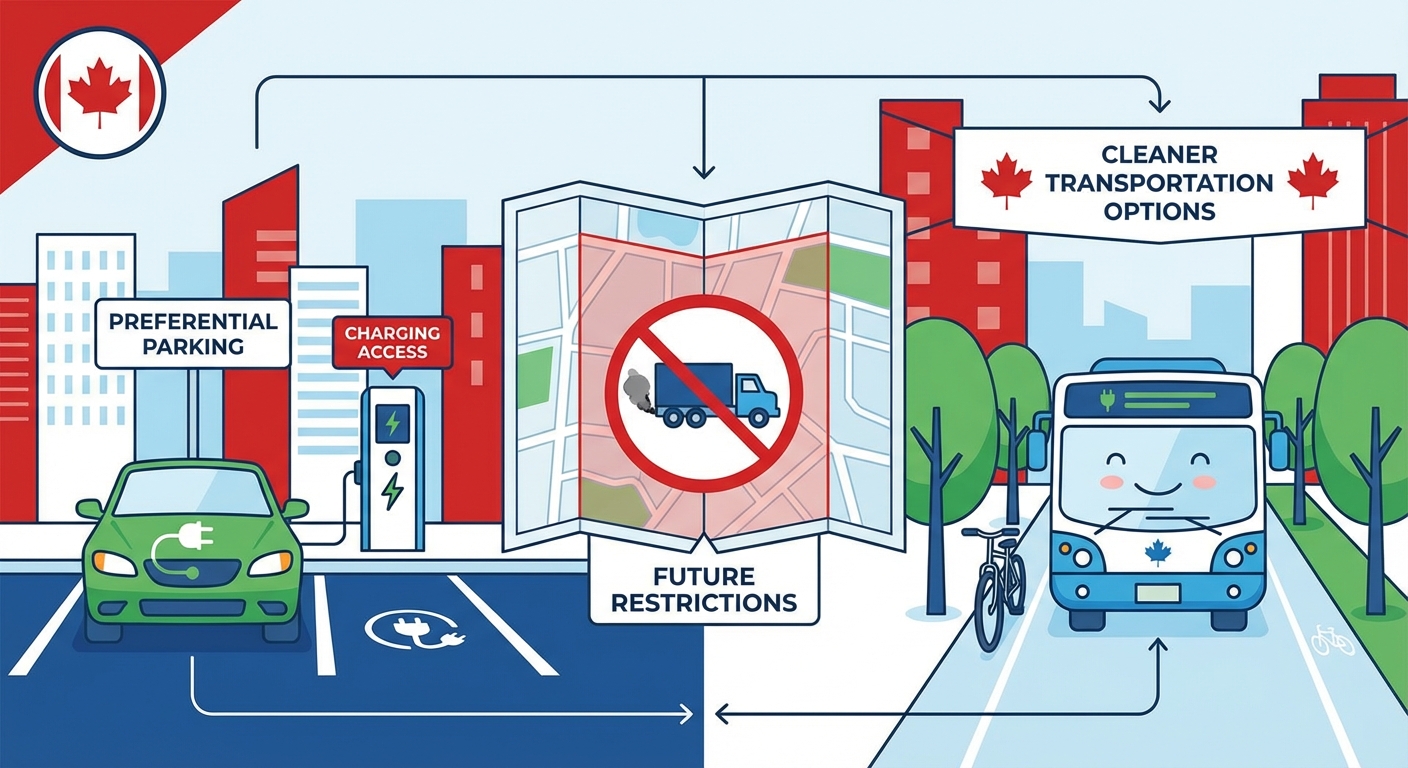
Vancouver itself, as a leader in urban green initiatives, will continue to develop infrastructure and potentially implement bylaws that favour cleaner vehicles. This could include preferential parking, charging access, or even future restrictions on high-emission vehicles in certain zones. These local dynamics will further push the market towards cleaner, more efficient transportation options.
Context: A graphic comparing the depreciation curves of ICE vs. EV vehicles from 2020-2026, perhaps with a focus on how major repair costs disproportionately impact the value retention of older ICE vehicles.
Your Next Ride: Securing Financing for Your New Vehicle – Dealer Loans vs. Bank Loans in BC
After successfully navigating the sale or disposal of your repair-heavy vehicle, your focus shifts to acquiring your next set of wheels. Understanding your financing options is critical, especially in Vancouver's competitive market.
The Trade-Up Financing Challenge: How Selling a Damaged Vehicle Might Affect Your Next Purchase
Selling a damaged vehicle means you likely won't have a large down payment from the proceeds. This puts more emphasis on securing favourable financing for your new car. Your credit score and income will be key factors. For British Columbia parents, leveraging Your Child Tax Benefit Just Cut Your Car Payments could be an unexpected avenue for support.
Dealer Financing: Convenience vs. Cost
Dealerships offer financing as a one-stop shop convenience. They work with multiple lenders (banks, credit unions, and captive finance companies) to find you a loan. However, their rates might not always be the absolute best, as they also make a profit on financing. Be prepared to scrutinize interest rates and loan terms carefully. They might offer incentives (e.g., 0% financing for new cars), but these often come with strict eligibility requirements.
Here’s a snapshot of typical new car loan interest rates in BC for 2025/2026:
| Credit Score Range | Typical Interest Rate (APR) | Monthly Payment Example (on $30,000 over 60 months) |
|---|---|---|
| Excellent (760+) | 4.99% - 6.99% | $566 - $594 |
| Good (660-759) | 6.99% - 9.99% | $594 - $642 |
| Fair (560-659) | 9.99% - 14.99% | $642 - $728 |
| Poor (Below 560) | 15.00% - 29.99%+ | $730 - $1,050+ |
Note: These are estimates and can vary based on lender, vehicle, and market conditions.
Bank & Credit Union Loans: The Independent Advantage
Seeking pre-approval from your own bank or a local BC credit union before visiting a dealership can provide significant leverage. You'll know your exact budget and an independent interest rate. This allows you to negotiate the car's price separately from the financing, often leading to a better overall deal. Credit unions, in particular, sometimes offer more flexible terms or slightly lower rates to their members.
The Importance of Your Credit Score
Your credit score is the most significant factor determining your interest rate and loan terms. Before applying for a new car loan, check your credit report for any errors. If your score isn't ideal, consider steps to improve it, such as paying down existing debts or addressing any outstanding collections. A higher credit score can save you thousands over the life of a loan.
Your Next Steps to a Smarter Trade-Up in Vancouver
Navigating the sale of a car with major repairs in Vancouver, especially with an eye on 2026, demands careful consideration and proactive steps. You now have a comprehensive understanding of your options, from transparent private sales to strategic trade-ins and responsible scrapping.
Here’s a final checklist to guide your successful sale and transition:
- Assess Realistically: Get multiple repair estimates and realistically determine your car's true "as-is" value.
- Know Your Legalities: Understand BC's disclosure laws and prepare a 'Buyer's Acknowledgment of Defects' for private sales.
- Choose Your Path: Decide whether private sale, dealer trade-in, or scrapping is the best fit for your situation and timeline.
- Gather Documents: Have your vehicle registration, title, history report, and repair estimates ready.
- Negotiate Smartly: Be firm, transparent, and prepared to walk away if the offer doesn't meet your minimum.
- Plan Your Next Vehicle: Research new car options, understand the impact of 2026 market trends, and secure pre-approved financing.
- Document Everything: Keep meticulous records of all communications and transactions for your protection.
Empowering yourself with this knowledge allows you to make the best financial and environmental choice for your automotive future in British Columbia. Don't let a major repair hold you back from a smarter, more reliable ride.