Posts tagged with: Electric Vehicle Loan

2026 $0 Down EV Loan: Bad Credit Blueprint | Ontar...
Your bad credit score is not the end. Get instant approval on a zero down EV loan in Ontario with ou...
EV Loan After Divorce? Your 2026 Approval Guide
Finalized your divorce? Getting an electric vehicle loan is your next step forward. Our 2026 guide s...
Self-Employed EV Financing Ontario: Low Rates 2026
Self-employed in Ontario? Get surprisingly low interest rates on EV financing in 2026. Skip the trad...
Edmonton: Your EI Isn't Just for Groceries. Zero-D...
Can I get zero down EV financing on EI in Edmonton?' Absolutely. Your Employment Insurance income ca...
Your Irregular Income Just Qualified You for an EV...
Self-employed in Quebec with irregular income? Get EV financing for self-employed with no income pro...
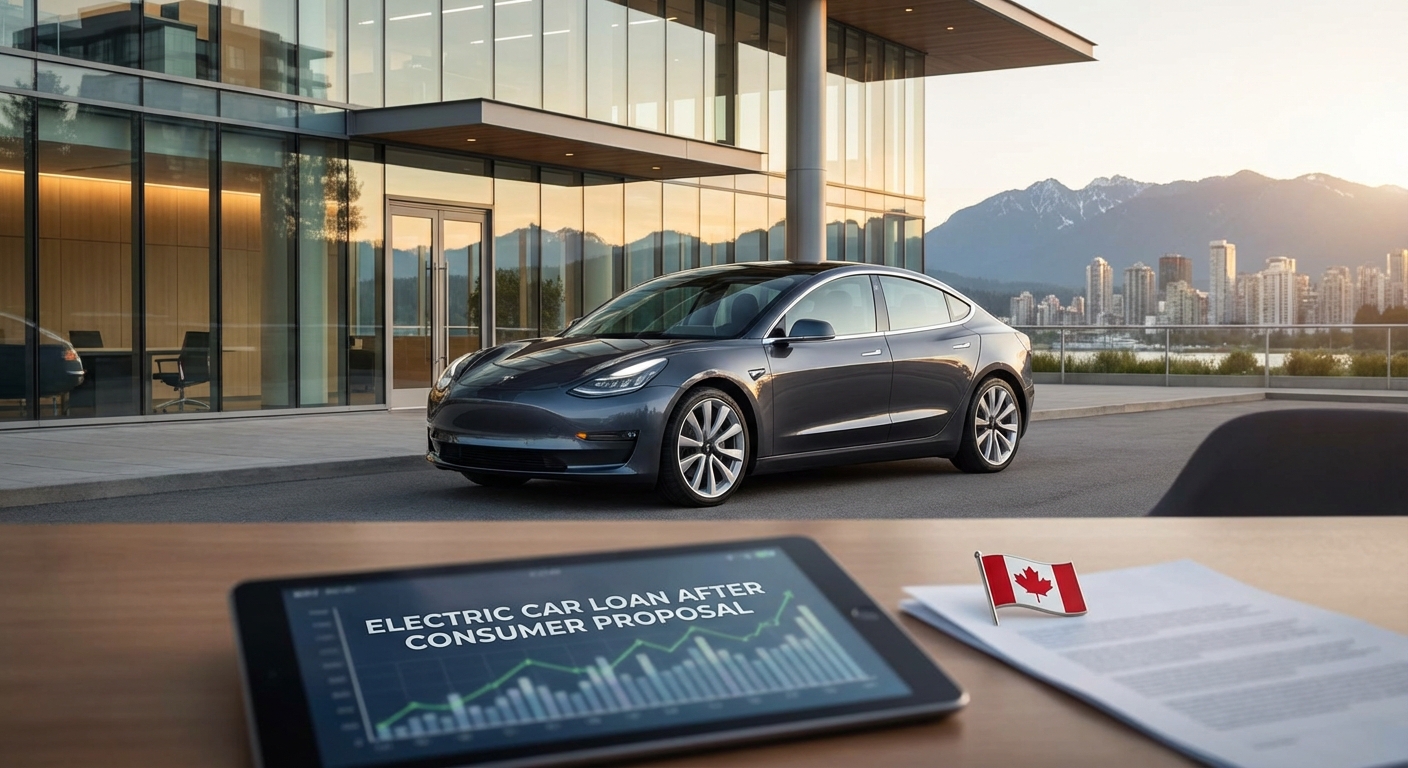
BC: Your Consumer Proposal Just Plugged Into an EV...
Struggling to get an electric car loan after consumer proposal British Columbia? SkipCarDealer.com s...
Financing Your Electric Vehicle in Canada: A Smart Buyer's Guide
So, you're thinking about making the switch to an electric vehicle (EV)? That's fantastic! EVs are rapidly becoming a popular choice for Canadians, offering savings on fuel and a greener way to get around. But when it comes to financing an EV, there are a few unique considerations compared to a traditional gas-powered car loan. Let's break it down so you can make an informed decision.
How EV Loans Work (and What Makes Them Special)
At its core, an EV loan works much like any other car loan in Canada. You borrow a specific amount of money from a lender - that could be a bank, a credit union, or directly through a dealership - to purchase your vehicle. You then pay back that amount, plus interest, over an agreed-upon term (e.g., 60, 72, or 84 months).
Where EV loans start to differ is often in the initial purchase price and the incredible incentives available. While many EVs have a higher sticker price than comparable gasoline vehicles, the total cost of ownership can be much lower over time, thanks to fuel savings, reduced maintenance, and those all-important government rebates.
Unlocking Canadian EV Rebates: Your Secret Weapon
This is arguably the biggest advantage when financing an EV in Canada. Both the federal government and several provincial governments offer generous rebates that can significantly reduce the upfront cost of a new electric vehicle. These aren't just small discounts; they can be thousands of dollars!
- Federal iZEV Program: The federal Incentives for Zero-Emission Vehicles (iZEV) Program offers up to $5,000 for eligible new EVs (and up to $2,500 for plug-in hybrids) purchased or leased in Canada. This amount is usually applied directly by the dealership at the point of sale, reducing the amount you need to finance.
- Provincial Rebates: Provinces like British Columbia (CleanBC Go Electric Vehicle Rebate Program) and Quebec (Roulez vert program) also have their own significant rebate programs. These can often be stacked with the federal incentive, leading to substantial savings. Always check your specific province's offerings, as they can change.
Pro Tip: When you're budgeting for your EV, always factor in these rebates. They directly lower the amount you need to borrow, which means a smaller loan and potentially lower monthly payments or a shorter loan term.
Beyond the Car: Other EV Costs to Consider
While the car itself is the main purchase, there are a few other costs associated with EV ownership that are good to keep in mind when planning your finances:
- Home Charging Station: Most EV owners opt to install a Level 2 charging station at home for convenience. The cost of the unit and installation can vary (typically $1,000 - $3,000+), although some provincial programs may offer rebates for these as well!
- Insurance: Depending on the make and model, EV insurance premiums can sometimes be slightly higher than those for comparable gas cars due to new technology and repair costs. Always get insurance quotes before finalizing your purchase.
- Maintenance: While EVs generally have lower routine maintenance needs (no oil changes!), it's wise to understand battery warranty specifics and any recommended checks.
Your Credit Score and EV Loan Eligibility
Just like any other major purchase, your credit score plays a crucial role in securing an EV loan. A strong credit history and a good credit score (typically 650+) will open doors to the best interest rates, saving you thousands of dollars over the life of your loan.
If your credit score isn't where you'd like it to be, don't despair! Many lenders in Canada offer financing options for various credit situations. You might find the interest rate is a bit higher, but it's still possible to get approved. Focus on understanding your credit report, paying bills on time, and keeping your credit utilization low to improve your score over time.
Tips for Getting the Best EV Loan
Ready to charge into EV ownership? Here's how to set yourself up for success:
- Do Your Research: Understand the specific EV models you're interested in, their pricing, and their eligibility for federal and provincial rebates.
- Shop Around for Financing: Don't just take the first offer. Check with your personal bank, credit unions, and other financial institutions. Compare interest rates, loan terms, and any fees.
- Get Pre-Approved: A pre-approval gives you a clear idea of how much you can borrow and at what rate. This empowers you when negotiating with dealerships, as you'll know your buying power upfront.
- Factor in Total Cost of Ownership: Look beyond just the monthly payment. Consider the rebates, fuel savings, charging costs, insurance, and maintenance to get a true picture of what the EV will cost you.
- Read the Fine Print: Always understand all the terms and conditions of your loan agreement before signing.
Financing an electric vehicle in Canada is an exciting step towards a more sustainable and often more affordable driving experience. By understanding the unique aspects of EV loans, especially those fantastic government incentives, you'll be well-prepared to make a smart financial choice that powers your future on the road.
