Why 'Waiting for a Quote' Costs You Hundreds. Fund Your Rideshare Fix.
Table of Contents
- Key Takeaways
- The 'Waiting Game' Trap: How Every Hour Off the Road Costs Rideshare Drivers Hundreds (Introduction)
- Beyond the Mechanic's Bill: Deconstructing the True Economic Impact of Rideshare Downtime
- The Opportunity Cost Multiplier:
- Vehicle Depreciation in Idleness:
- The 'Domino Effect':
- The Traditional Lending Labyrinth: Why Banks & Credit Cards Are Poor Pit Stops for Rideshare Repairs
- The Credit Score Conundrum:
- The Pace Problem:
- Interest Rate Icebergs:
- Rigid Repayment Structures:
- Unlocking Your Vehicle's Hidden Value: The 'No Credit Check' Revolution for Canadian Rideshare Drivers
- Equity, Not History:
- The Speed Advantage:
- Tailored for the Gig Economy:
- The 'No Credit Check' Promise:
- Navigating the Great White North: Immediate Repair Funding Across Canada's Rideshare Hubs
- National Overview:
- Ontario's Fast Lane:
- British Columbia's Green Light:
- Alberta's Open Road:
- Quebec's Unique Route:
- From Breakdown to 'Back Online': Your Step-by-Step Blueprint for Rapid Funding Approval
- Initial Inquiry & Online Assessment:
- The Quick Valuation:
- Transparent Loan Offers:
- Seamless Documentation:
- Instant Disbursement:
- The Smart Driver's Toolkit: A Comparative Analysis of Funding Solutions
- Beyond the Immediate Fix: Cultivating Financial Resilience for Your Rideshare Career
- Building Your 'Rainy Day' Repair Fund:
- Proactive Vehicle Maintenance:
- Optimizing Your Rideshare Insurance:
- Understanding Tax Deductions:
- Your Road Ahead: Seizing Control of Your Rideshare Earnings & Vehicle Health (Conclusion)
- Frequently Asked Questions (FAQ) for Canadian Rideshare Drivers
As a rideshare driver in Canada, your vehicle isn't just a mode of transport; it's your livelihood, your office, and your primary income generator. When your car breaks down, the immediate thought might be the cost of the repair bill. However, what many drivers overlook is the far greater, insidious cost of 'waiting for a quote' or 'saving up' for those essential repairs. Every hour your vehicle sits idle is an hour of lost earnings, missed opportunities, and mounting stress. This isn't just about a mechanic's bill; it's about the financial stability of your entire rideshare career.
At SkipCarDealer.com, we understand the unique financial pressures faced by Canada's dedicated rideshare community. We know that in the fast-paced world of gig work, downtime is a luxury you simply cannot afford. This article will deconstruct the true costs of vehicle downtime, expose the pitfalls of traditional lending, and introduce you to a rapid, tailored funding solution designed to get you back on the road and earning, fast. Stop the bleed; fund your rideshare fix now.
Key Takeaways
- Every Hour Counts: Beyond the repair bill, rideshare downtime costs hundreds in lost hourly wages and surge pay.
- Hidden Costs are Real: Factor in opportunity costs, vehicle depreciation during idleness, and the 'domino effect' on personal finances.
- Traditional Lending Falls Short: Banks and credit cards are often too slow, too rigid, or too credit-score-dependent for immediate rideshare repair needs.
- Unlock Your Vehicle's Equity: Vehicle-secured funding offers a 'no credit check' solution, leveraging your car's value for rapid, flexible repair loans.
- Canada-Wide Access: Learn how immediate repair funding is available and tailored to drivers in major hubs like Toronto, Vancouver, Calgary, and Montreal.
- Proactive Funding is Imperative: Don't wait; securing fast funding is critical to maintaining your income stream and financial well-being as a rideshare professional.
The 'Waiting Game' Trap: How Every Hour Off the Road Costs Rideshare Drivers Hundreds (Introduction)
For Canada's rideshare drivers, the phrase "waiting for a quote" can send shivers down the spine, and for good reason. It’s not just an inconvenience; it’s a direct assault on your income. Imagine your vehicle, your essential tool for earning, suddenly unable to operate. The immediate financial bleeding begins the moment your wheels stop turning. Quantifying this isn't difficult: take your average hourly wage, factor in the peak hours you're missing, and then multiply that by the days, or even weeks, you're off the road. Missed surge opportunities in busy cities like Toronto or Vancouver during rush hour or weekend nights can represent hundreds of dollars in lost income daily. This isn't theoretical; it's tangible cash you're not putting in your pocket.
Beyond the immediate financial hit, there's the silent erosion of trust and your driver ratings. Consistent unavailability, even if due to a legitimate vehicle issue, can lead to lower acceptance rates, fewer ride requests, and ultimately, a negative impact on your standing within the rideshare platform. In a competitive market, maintaining a high rating and reliable presence is paramount to securing consistent earnings. Being offline for an extended period means losing ground to other active drivers, potentially impacting your long-term earning potential and access to premium ride categories.
Then, consider the emotional and mental toll. The unexpected vehicle breakdown, coupled with the financial uncertainty of lost income, can be incredibly stressful. How will you pay your rent? Cover your groceries? Meet your car payment? This anxiety can quickly spiral, affecting your personal life and making it even harder to think clearly about solutions. The financial uncertainty creates a pervasive sense of dread that impacts everything. This is why 'waiting for a quote' or 'saving up' is a false economy for gig workers. It’s a gamble that almost always results in a net loss. The longer you wait, the deeper the financial hole becomes, and the harder it is to climb out. Immediate action isn't just advisable; it's a financial imperative.
Beyond the Mechanic's Bill: Deconstructing the True Economic Impact of Rideshare Downtime
When your rideshare vehicle breaks down, the first number you typically focus on is the mechanic's repair estimate. However, to truly understand the financial damage, you need to look beyond that singular figure. The true economic impact is a multifaceted beast, far more extensive than the sum printed on the repair invoice.
The Opportunity Cost Multiplier:
This is perhaps the most significant, yet often overlooked, cost. It’s not just the direct repair cost; it’s the revenue you *could have earned* if your vehicle were operational. Consider a driver in Toronto, consistently pulling in $30-$40 an hour during peak times. If a repair takes three days, that's potentially 30-40 hours of lost work. At an average of $35/hour, that’s $1,050 to $1,400 in lost earnings. Now, factor in missed surge pricing during major events or bad weather in cities like Vancouver or Montreal, and that figure can easily double or triple. This lost revenue isn't just gone; it's an opportunity that will never return. It’s income that could have covered your living expenses, vehicle payments, or contributed to your savings. The longer the downtime, the higher this opportunity cost multiplier climbs, quickly dwarfing the actual repair bill.
Vehicle Depreciation in Idleness:
Even when your car is parked and non-earning, it's still costing you money. Vehicles depreciate over time, whether they're driven or not. Factors like age, mileage (even if not accumulating), and general market conditions continue to erode its value. Furthermore, a parked car can still incur wear and tear from weather, or simply from sitting. Tires can develop flat spots, batteries can drain, and fluids can settle. The longer your car sits, the more likely it is to incur secondary issues, potentially adding to your eventual repair costs. Moreover, if you're making car payments on a non-earning asset, you're essentially paying for something that isn't generating income, further compounding your financial strain.
The 'Domino Effect':
A vehicle breakdown for a rideshare driver is rarely an isolated incident. The loss of income quickly creates a 'domino effect' throughout your personal finances. Missed personal bill payments for rent, utilities, or even groceries can lead to late fees, interest charges, and a negative impact on your credit score. This increased stress can affect your decision-making, sleep, and overall well-being, creating a vicious cycle of financial strain and emotional distress. It can impact your ability to qualify for future loans or credit, making it harder to recover in the long run. The seemingly small initial problem of a repair bill can escalate into a much larger, more complex financial crisis.
Pro Tip: Track Your Average Hourly Earnings to Fully Grasp the Catastrophic Costs of Downtime.
Don't just estimate; know your numbers. Regularly track your average hourly earnings, including surge pay, and factor in how many hours you typically work. This precise figure will allow you to calculate the exact financial bleeding per day of downtime, making the urgency of immediate repair funding undeniably clear. Understanding this true cost is the first step in making smart financial decisions for your rideshare career.
The Traditional Lending Labyrinth: Why Banks & Credit Cards Are Poor Pit Stops for Rideshare Repairs
When faced with an unexpected vehicle repair, many Canadians instinctively turn to traditional financial institutions: banks or credit card companies. However, for rideshare drivers, this path often proves to be a labyrinth fraught with obstacles, making it a less-than-ideal solution for urgent repair needs.
The Credit Score Conundrum:
Traditional loans are heavily reliant on your credit score. For gig workers, whose incomes can fluctuate week-to-week, or who may have limited credit history due to their self-employed status, securing a conventional loan can be a significant challenge. Banks often view irregular income as a higher risk, making it difficult to qualify for favourable rates, or even any loan at all. A less-than-perfect credit score, or a thin credit file, can mean outright rejection, leaving you stranded with a broken vehicle and no immediate solution. For more on navigating financing with unique income situations, consider reading Self-Employed Ontario: They Want a Pay Stub? We Want You Driving.
The Pace Problem:
A broken rideshare vehicle needs immediate attention. You can't afford to be off the road for weeks. Yet, traditional bank loans often involve a lengthy application and approval process. From gathering extensive documentation (which can be tricky for self-employed individuals) to waiting for credit checks and underwriting, it can easily take days, if not weeks, for funds to be disbursed. This bureaucratic pace is simply incompatible with the same-day repair needs of a rideshare driver whose income stream has abruptly ceased.
Interest Rate Icebergs:
While a credit card cash advance might seem like a quick fix, it's often a hidden cost iceberg. Credit card cash advances typically come with significantly higher interest rates than regular purchases, sometimes starting at 20-25% APR or more, often with an immediate cash advance fee. These high-interest rates, combined with the potential for additional fees, can quickly lead to a long-term debt trap. What starts as a seemingly small advance can snowball into a substantial financial burden, making it incredibly difficult to pay off the principal balance while simultaneously trying to rebuild your lost income.
Rigid Repayment Structures:
Traditional loans often come with fixed, rigid repayment schedules – a specific amount due on a specific date each month. For rideshare drivers in Calgary or Montreal, whose incomes can vary significantly week-to-week based on demand, personal circumstances, or seasonal shifts, this rigidity can be a major problem. A fixed payment might be manageable in a good week but impossible in a slow one, leading to missed payments, late fees, and further damage to your credit score. The lack of flexibility is a fundamental mismatch with the dynamic nature of gig economy earnings.
Unlocking Your Vehicle's Hidden Value: The 'No Credit Check' Revolution for Canadian Rideshare Drivers
Recognizing the unique challenges faced by Canadian rideshare drivers, a new wave of financial solutions has emerged, offering a lifeline when traditional options fail. This 'no credit check' revolution centres on unlocking the hidden value within your most important asset: your vehicle.
Equity, Not History:
The core principle behind immediate vehicle repair funding is simple yet powerful: it uses your car's existing equity as collateral. This means the focus is on the market value of your vehicle, not your credit score. Whether you have a flawless credit history, a few bumps along the road, or no credit history at all, your vehicle's value is what matters. This sidesteps the traditional credit check conundrum that often penalizes gig workers with fluctuating incomes or limited credit. It acknowledges that your car is a valuable asset, capable of securing the funds you need to keep it, and you, earning. For those with past financial challenges, this approach can be a game-changer. For more information on how previous financial hurdles don't stop you, check out Your Consumer Proposal? We Don't Judge Your Drive.
The Speed Advantage:
When your rideshare vehicle is down, time is literally money. These specialized funding solutions are built for speed. The mechanics of 'same-day funding' and instant approvals are designed to minimize your downtime. Applications can often be completed online in minutes, vehicle valuations are typically quick, and once approved, funds can be disbursed to your account within hours. This rapid turnaround means you can get your car into the shop almost immediately, drastically reducing the period your income stream is interrupted. This is the antithesis of the weeks-long waits associated with traditional banks.
Tailored for the Gig Economy:
One of the most significant advantages of this funding model is its flexibility, specifically tailored to align with the unpredictable nature of rideshare pay cycles. Unlike rigid monthly payments, many providers offer flexible payment options such as bi-weekly or even monthly schedules that can be synchronized with when you typically receive your rideshare earnings. This adaptability means you can structure your repayments to better fit your cash flow, reducing stress and the likelihood of missed payments during slower weeks. It's a financial solution built with the self-employed driver in mind, offering a degree of understanding and customization rarely found in mainstream lending.
The 'No Credit Check' Promise:
This isn't just a marketing slogan; it's a fundamental difference in how these loans are assessed. By focusing on your vehicle's equity rather than your credit history, these funding options remove traditional barriers. This means drivers with less-than-perfect credit, those who are new to Canada and haven't built a credit history, or those who simply prefer to keep their credit file untouched, can still access vital funds. It removes the stress and uncertainty associated with credit-dependent applications, offering a clear, accessible path to repair funding when you need it most.
Pro Tip: Understand Your Vehicle's Market Value Before Applying to Maximize Your Loan Potential and get the best terms.
Before you even start the application process, take a few minutes to research your vehicle's current market value using online tools like Canadian Black Book or Kelley Blue Book. Knowing this figure will give you a realistic expectation of the funding amount you might qualify for, helping you plan your repairs and ensuring you get the most favourable terms based on your asset's worth.
Navigating the Great White North: Immediate Repair Funding Across Canada's Rideshare Hubs
The availability and specific nuances of immediate vehicle repair funding can vary slightly across Canada's vast landscape. However, the core principle of leveraging your vehicle's equity remains consistent, providing a vital resource for rideshare drivers in major urban centres and beyond.
National Overview:
Across Canada, vehicle-secured loans for auto repairs operate under provincial consumer protection laws. Generally, these loans are available in most provinces, though specific regulations regarding interest rates, licensing, and consumer disclosure may differ. The national framework supports the concept of using a vehicle's value as collateral, making this a widely accessible funding mechanism for vehicle owners who need quick access to cash for repairs, regardless of their credit history.
Ontario's Fast Lane:
As Canada's most populous province and home to bustling metropolises like Toronto, Ottawa, and Mississauga, Ontario has a high demand for rideshare services and, consequently, a diverse fleet of vehicles. From compact sedans to larger SUVs, common repair costs can range from routine maintenance to significant engine or transmission work. Lenders specializing in vehicle-secured loans are very active in Ontario, catering to the high volume of drivers needing fast funding. The competitive market here often means favourable terms for eligible vehicles. Given the self-employed nature of many rideshare drivers in Ontario, these flexible funding options are particularly well-suited. For insights into self-employment and financing in the province, check out Approval Secrets: Navigating the Best Used Car Finance Options for Ontario’s Self-Employed.
British Columbia's Green Light:
In British Columbia, particularly in vibrant cities like Vancouver, Surrey, and Burnaby, rideshare drivers face unique market dynamics. Stringent vehicle inspection requirements and a strong emphasis on environmental considerations can sometimes lead to specific repair needs (e.g., emissions system repairs) or necessitate more frequent maintenance. The robust market for rideshare services in BC ensures that lenders are well-versed in providing quick repair funding solutions, understanding the critical need for drivers to maintain their vehicles to meet provincial standards and passenger expectations. Access to fast, equity-based loans helps drivers keep their cars compliant and on the road.
Alberta's Open Road:
Calgary and Edmonton, the economic powerhouses of Alberta, see a prevalence of larger vehicle types, including trucks and SUVs, often used for rideshare, especially given the province's colder climate. While the economy can fluctuate, the demand for rideshare services remains consistent. Repair funding access in Alberta is strong, with lenders understanding the importance of keeping these workhorse vehicles operational. The resilience of the Albertan market ensures that drivers have reliable options for immediate repair financing, helping them navigate unexpected repair costs efficiently.
Quebec's Unique Route:
Rideshare drivers in Montreal and Quebec City operate within a distinctive framework, influenced by specific consumer protection laws and unique vehicle standards (such as winter tire requirements). Language considerations are also paramount, with many financial services offering support in both English and French. Lenders providing vehicle-secured repair funding in Quebec are accustomed to these provincial specificities, ensuring that loan agreements and processes are compliant and accessible. Drivers here can find tailored solutions that respect local regulations and cultural nuances, facilitating prompt repairs and uninterrupted service.
Pro Tip: Always Verify Lender Licensing and Provincial Regulations for Consumer Protection in your specific Canadian province or territory.
Before committing to any loan, take a moment to ensure the lender is properly licensed in your province. A quick search on your provincial government's financial services regulator website can confirm their legitimacy and ensure you are protected under local consumer laws. This simple step safeguards your interests and provides peace of mind.
From Breakdown to 'Back Online': Your Step-by-Step Blueprint for Rapid Funding Approval
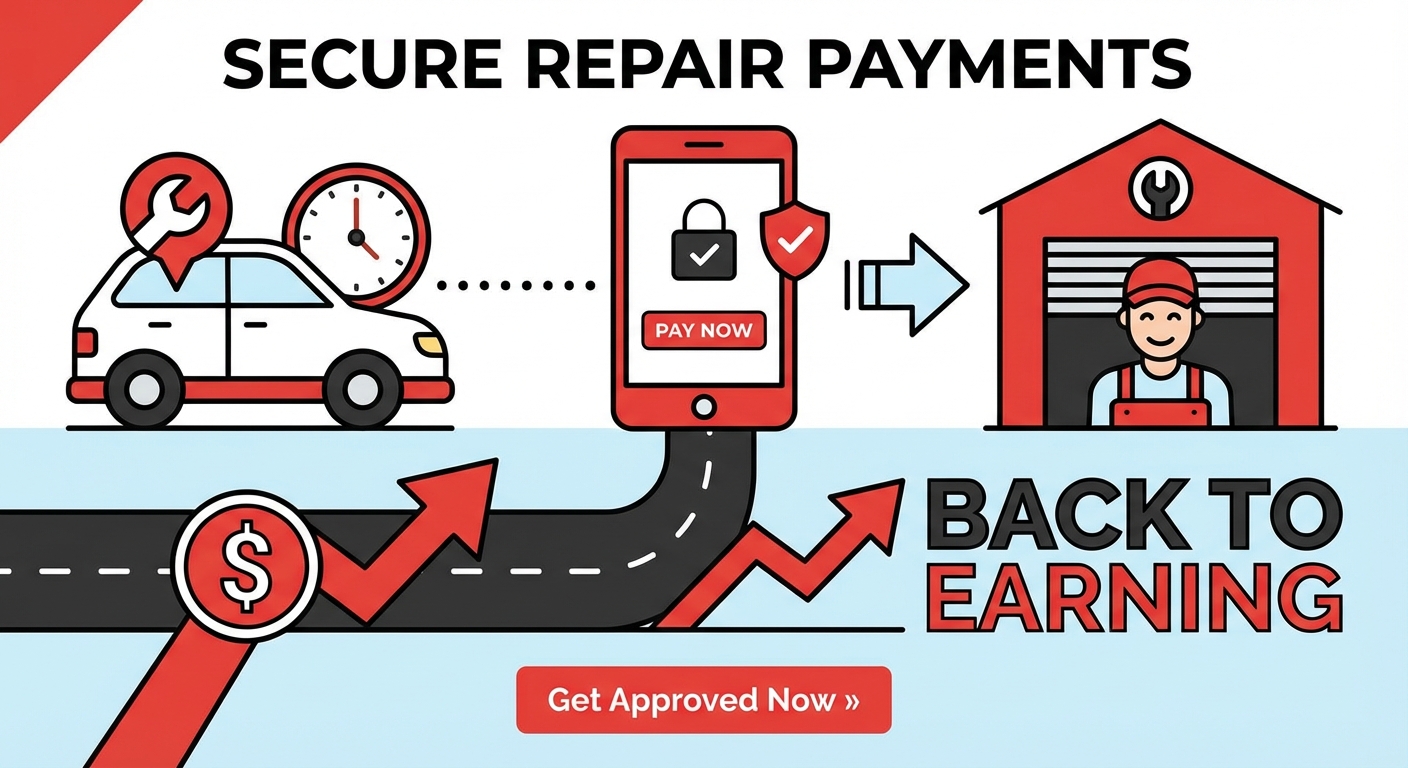
The beauty of immediate vehicle repair funding lies not only in its accessibility but also in its streamlined process. Designed for speed and efficiency, it’s a clear path from unexpected breakdown to getting your rideshare vehicle back online and earning. Here's a typical step-by-step blueprint:
Initial Inquiry & Online Assessment:
Your journey begins with a simple online inquiry. You'll typically fill out a short form providing essential details about yourself and your vehicle. This includes information like your vehicle's make, model, year, current mileage, and perhaps its trim level. This initial assessment helps the lender quickly understand the potential equity in your car and provides a preliminary indication of your eligibility. It’s designed to be quick and user-friendly, setting the stage for rapid pre-approval.
The Quick Valuation:
Once your basic information is submitted, the lender will perform a quick, non-invasive valuation of your vehicle. This assessment is crucial for determining how much funding you can qualify for. It's often based on standard industry tools and databases (like Canadian Black Book or Kelley Blue Book) that consider your car's specific details, condition, and current market trends. Crucially, this valuation is conducted without a hard credit pull, preserving your credit score and focusing solely on the asset's worth.
Transparent Loan Offers:
Following the valuation, you'll receive a transparent loan offer. This offer will clearly outline the loan amount, the interest rate, the repayment schedule (e.g., bi-weekly or monthly), and any associated fees. It’s vital to review these terms thoroughly. Reputable lenders prioritize clarity, ensuring you understand every aspect of the agreement before you commit. There should be no hidden clauses or surprises, allowing you to make an informed decision that suits your financial situation.
Seamless Documentation:
To finalize the agreement, you’ll need to provide some standard documentation. This typically includes proof of identification (such as a valid Canadian driver's license), proof of vehicle ownership (your vehicle's registration or title), and proof of insurance. Some lenders might also ask for proof of residency. The process is designed to be as seamless as possible, often allowing for electronic submission of documents to expedite approval.
Instant Disbursement:
Once all documentation is reviewed and the agreement is signed, the funds are disbursed rapidly. In many cases, this happens within hours, directly deposited into your bank account. This 'instant disbursement' is the critical feature that allows you to pay for your repairs immediately, minimizing your vehicle's downtime. You can then confidently take your car to the mechanic, knowing the funds are secured and your path back to earning is clear.
The Smart Driver's Toolkit: A Comparative Analysis of Funding Solutions
When your rideshare vehicle needs repairs, choosing the right funding solution can be as critical as the repair itself. Understanding your options and their implications is key to making a smart financial decision. Here's a comparative look at common funding methods:
| Funding Solution | Pros | Cons | Best For Rideshare Drivers |
|---|---|---|---|
| Immediate Vehicle Repair Funding (The Smart Choice) |
|
|
Excellent. Prioritizes speed and accessibility, aligning perfectly with the urgent, income-dependent nature of rideshare work. Ideal for minimizing downtime. |
| Personal Savings/Emergency Fund |
|
|
Good, if available and sufficient. The ideal choice if you have a robust emergency fund specifically for vehicle repairs. |
| Credit Card Advances |
|
|
Poor. While fast, the exorbitant costs and potential long-term debt make it a last resort. |
| Dealership Financing (for repairs) |
|
|
Mediocre. Might be convenient but often pricier and less flexible for rideshare-specific needs. |
| Unsecured Personal Loans |
|
|
Poor. The reliance on credit and slower approval times make it unsuitable for urgent rideshare repairs. |
Pro Tip: Always Compare APR (Annual Percentage Rate) Across All Lending Options, Not Just Monthly Payments, to understand the true cost of borrowing.
Monthly payment amounts can be misleading. The APR gives you the full picture of the annual cost of borrowing, including interest and fees. Comparing APRs across different lenders and loan types is the most accurate way to evaluate the true expense of your repair funding, allowing you to choose the most cost-effective solution in the long run.
Beyond the Immediate Fix: Cultivating Financial Resilience for Your Rideshare Career
Getting your rideshare vehicle back on the road quickly is a crucial first step, but a truly smart driver looks beyond the immediate fix. Cultivating financial resilience is about building a robust safety net and proactive strategies that minimize future financial shocks and ensure the longevity of your rideshare career.
Building Your 'Rainy Day' Repair Fund:
After an immediate fix, your next priority should be to start rebuilding or establishing a dedicated 'rainy day' repair fund. Even setting aside a small percentage of each ride's earnings can make a significant difference. Treat this fund as a non-negotiable expense, just like fuel or insurance. Consistent, even modest, contributions will gradually create a buffer for future unexpected repairs, potentially allowing you to avoid borrowing altogether for minor issues and reducing reliance on external funding for larger ones. This proactive saving habit is a cornerstone of long-term financial stability for any self-employed individual.
Proactive Vehicle Maintenance:
An ounce of prevention is worth a pound of cure, especially for a rideshare vehicle. Sticking to a rigorous schedule of regular checks and preventative care can significantly minimize the likelihood of major, emergency repairs. This includes routine oil changes, tire rotations, brake inspections, fluid checks, and addressing minor issues (like a strange noise or warning light) promptly rather than letting them escalate. Investing in proactive maintenance not only extends the life of your vehicle but also reduces the stress and financial burden of unexpected breakdowns, keeping your income stream consistent.
Optimizing Your Rideshare Insurance:
Reviewing and optimizing your rideshare insurance is another critical layer of financial resilience. Ensure you have adequate coverage for commercial use, as personal policies typically won't cover incidents while you're driving for a rideshare platform. Understand your deductible and assess whether it's a manageable amount in an emergency. Sometimes, a slightly higher premium for a lower deductible can save you significant out-of-pocket costs during a repair. Discuss coverage options with your insurance provider to ensure you're fully protected against collisions, theft, and other potential damages that could lead to costly repairs.
Understanding Tax Deductions:
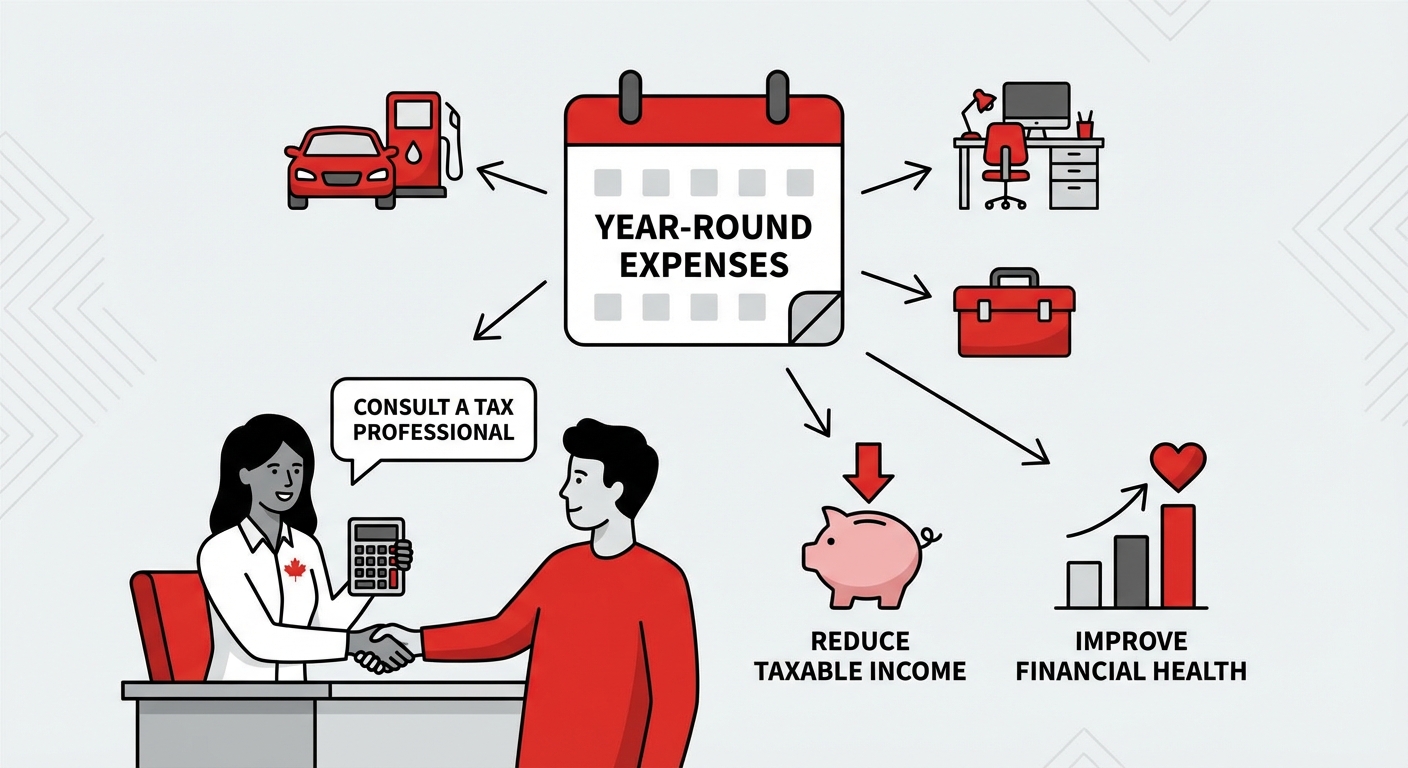
As an independent contractor, you have access to various tax deductions that can help offset the costs of operating your rideshare business. Vehicle repair costs, maintenance expenses, and even the interest paid on loans used for business-related repairs can often be claimed as tax deductions. Keeping meticulous records of all your vehicle-related expenses throughout the year is crucial. Consulting with a tax professional familiar with gig economy specifics can help you leverage these deductions effectively, ultimately reducing your taxable income and improving your overall financial health.
Your Road Ahead: Seizing Control of Your Rideshare Earnings & Vehicle Health (Conclusion)
The journey of a Canadian rideshare driver is dynamic, rewarding, and at times, challenging. Your vehicle is the heart of your operation, and its health directly dictates your ability to earn. The critical message is clear: proactive funding isn't just a convenience; it's a financial imperative.
The 'waiting game' is a losing proposition, draining your income through lost opportunities and amplifying stress. Traditional lending pathways, with their slow pace and rigid requirements, often fail to serve the immediate, unique needs of the gig economy. By understanding the true, multifaceted cost of downtime and embracing innovative funding solutions that leverage your vehicle's equity, you empower yourself to bypass these obstacles.
Don't let a breakdown dictate your financial future. Take charge of your vehicle's health and your income stream. Explore immediate vehicle repair funding to keep your wheels turning, your income flowing, and your stress levels low. Your road ahead is clearer, and your earnings are more secure when you choose to act decisively. Get your rideshare fix funded today, and continue driving towards your financial goals.