Your Consumer Proposal? We Don't Judge Your Drive.
Table of Contents
- Key Takeaways: Your Fast Track to Understanding Car Loans Post-CP
- 1. The Consumer Proposal & Your Credit: A Clear-Eyed View of the Landscape
- 1.1 Decoding the R7 Rating: What It Means for Lenders
- 1.2 Your Existing Car Loan: Before You File Your Proposal
- 2. Navigating the 'During' Phase: Securing a Car Loan While Your Consumer Proposal is Active
- 2.1 The 'Why Now?' Question: Urgent Needs vs. Strategic Waiting
- 2.2 Unlocking Approval: The Alternative Lender Advantage
- 2.3 The Price of Opportunity: Understanding Interest Rates & Terms
- 2.4 The Down Payment Dilemma: Your Strongest Ally
- 3. Strategic Moves for Stronger Approval Odds (While Your CP is Active)
- 3.1 Choosing Your Wheels Wisely: New vs. Used, Luxury vs. Economy
- 3.2 Building a Bridge to Better Credit: Small Steps, Big Impact
- 3.3 The Power of Your Budget: Proving Financial Responsibility
- 3.4 Co-Signers: A Double-Edged Sword
- 3.5 Dealer Financing vs. Direct Lenders: Which Path is Smoother?
- 4. Life After Consumer Proposal: Unlocking Better Opportunities and Lower Rates
- 4.1 The Finish Line: What Happens When Your CP is Complete?
- 4.2 Re-entering the Mainstream: Accessing Traditional Lenders
- 4.3 Refinancing Your CP-Era Car Loan: A Smart Financial Move
- 5. Beyond the Loan: Sustainable Car Ownership & Long-Term Financial Wellness
- 5.1 Budgeting for the Long Haul: Fuel, Insurance, Maintenance & More
Navigating life with a consumer proposal can feel like driving through a thick fog. Every turn seems uncertain, especially when it comes to major financial decisions like buying a car. You might worry about judgment, rejection, or simply not knowing where to begin. At SkipCarDealer.com, we understand these concerns better than anyone. We believe your past financial challenges shouldn't dictate your future mobility or define your worth. Your drive is about getting where you need to go, and we're here to help you find the right vehicle, without judgment.
A consumer proposal is a responsible step towards financial recovery, and it's a path many Canadians choose. While it impacts your credit, it doesn't slam the door shut on your ability to secure a car loan. Instead, it changes the landscape, requiring a strategic approach and an understanding of the options available. This comprehensive guide will illuminate that path, showing you how to secure a car loan during or after a consumer proposal, offering practical advice, and empowering you to make informed decisions for your financial well-being and your daily commute.
Key Takeaways: Your Fast Track to Understanding Car Loans Post-CP
- Yes, it's possible: Securing a car loan during or after a consumer proposal is achievable. Your financial history is a chapter, not the whole story.
- Expect higher rates initially: Interest rates will likely be elevated during an active proposal due to the perceived higher risk. This is a temporary trade-off for essential mobility.
- Alternative lenders are key: They are your primary resource while your proposal is active, specializing in situations where traditional banks might hesitate.
- Strategy is paramount: Proactive steps such as a strong down payment, a clear budget, and choosing the right vehicle can significantly improve your chances and terms.
- Patience pays off: Post-proposal completion opens doors to better rates and traditional lenders as your credit rebuilds.
- Budgeting is non-negotiable: Understand the true cost of car ownership beyond the loan payment, including insurance, fuel, and maintenance, to ensure long-term success.
1. The Consumer Proposal & Your Credit: A Clear-Eyed View of the Landscape
Embarking on a consumer proposal is a significant financial decision, one that offers a fresh start but also reshapes your credit profile for a period. Understanding this new landscape is the first step toward securing a car loan.
1.1 Decoding the R7 Rating: What It Means for Lenders
When you file a consumer proposal, your credit report receives a specific designation: an R7 rating. This rating, applied by credit bureaus like Equifax and TransUnion, signals to potential lenders that you are making regular payments under a consumer proposal or similar debt management plan. It's a specific code, standing apart from an R9 rating, which signifies a bad debt, collection, or bankruptcy. The R7 rating indicates that while you have negotiated with creditors, you are actively fulfilling your obligations.
For traditional lenders, such as major banks, an R7 rating typically signals a higher risk. They often have stricter lending criteria and may be hesitant to approve new credit, especially for large purchases like a vehicle, while an active R7 is on your file. Their algorithms are designed to favour low-risk borrowers with pristine credit histories. However, this is where specialized lenders, often referred to as 'alternative' or 'subprime' lenders, come into play. They understand the nuances of an R7 rating and view it not as a permanent scarlet letter, but as part of a journey towards financial recovery. They are more willing to assess your current income, employment stability, and the terms of your proposal rather than solely focusing on your credit score.
It's crucial to remember that the R7 rating is temporary. It remains on your credit report for three years after your consumer proposal is paid in full, or for six years from the date you signed the proposal, whichever comes first. Once this period passes, the R7 rating is removed, and your credit report begins to reflect your post-proposal payment history exclusively. This eventual removal is a key factor in your long-term credit rebuilding strategy.
1.2 Your Existing Car Loan: Before You File Your Proposal
What happens to your current car loan if you're considering a consumer proposal? This is a common and critical question. If you have an existing car loan and are current on your payments, you generally have the option to keep it out of your consumer proposal. As long as you continue to make your payments on time, your financing arrangements typically remain unchanged. This is a key insight many people overlook, assuming all debts must be included. If you're keeping up with your payments, there's often no need to change your financing arrangements, allowing you to retain your vehicle.
However, an existing car loan can be included in a consumer proposal if you are behind on payments or if the vehicle's value is significantly less than what you owe, making it a financial burden you wish to address. In such cases, the car loan becomes part of the negotiation with your creditors, potentially leading to a reduction in the amount owed or a restructuring of the debt. Be aware that if the loan is secured by the vehicle (as most car loans are), including it in the proposal means the lender could potentially repossess the car, especially if you're already in default.
If you want to keep your existing car and its loan out of your consumer proposal, the absolute best strategy is to continue making your payments on time, every time. Consistent payments demonstrate financial responsibility and often prevent the lender from taking action or forcing the loan into your proposal. Communicate with your lender if you anticipate any difficulties, but prioritize these payments above almost all others if keeping the vehicle is paramount.
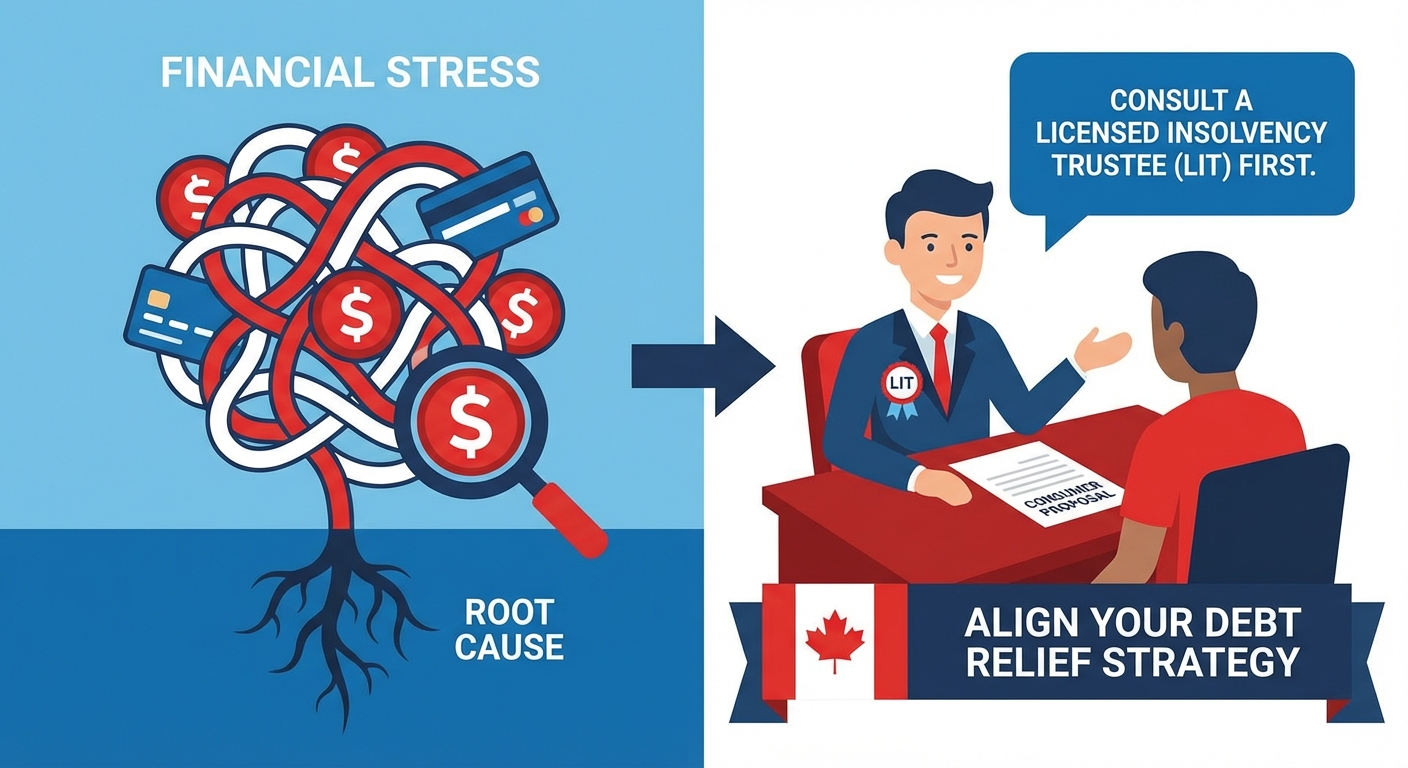
Refinancing an existing car loan pre-proposal is generally a risky move. While it might seem like a way to lower payments or consolidate debt, it could be seen as taking on new debt just before filing for protection, which isn't always looked upon favourably. Furthermore, if you're already struggling, adding another layer of complexity or extending the repayment term might not address the root cause of your financial stress. It's usually best to consult with a Licensed Insolvency Trustee (LIT) before making any significant financial moves prior to filing a consumer proposal to ensure it aligns with your overall debt relief strategy.
2. Navigating the 'During' Phase: Securing a Car Loan While Your Consumer Proposal is Active
Securing a car loan while your consumer proposal is active is often viewed as the most challenging period, but it's far from impossible. This phase requires a clear understanding of your needs, the types of lenders available, and realistic expectations regarding terms and interest rates.
2.1 The 'Why Now?' Question: Urgent Needs vs. Strategic Waiting
Before diving into the application process, it's vital to honestly assess your need for a vehicle. Is it an absolute necessity for work, family responsibilities, or essential medical appointments? Or is it a desire for a newer model or an upgrade that could potentially wait until your financial standing improves?
Scenarios where getting a car loan during a CP is a necessity often include: a new job requiring a commute beyond public transit, an expanding family needing more space, or essential travel for caregiving. In these instances, the immediate need for reliable transportation outweighs the financial trade-offs.
The financial trade-offs of purchasing a car during an active consumer proposal are significant. You will almost certainly face higher interest rates, which means paying more over the life of the loan. This can add financial pressure when you are already committed to proposal payments. Delaying your car purchase until your proposal is complete and your credit begins to rebuild can lead to substantially better interest rates and more favourable terms, saving you thousands of dollars in the long run. However, life doesn't always wait for ideal financial conditions.
Take a moment for self-reflection. Create a list of reasons why you need a car right now. If your current vehicle is unsafe, unreliable, or you truly have no other viable transportation options for essential needs, then pursuing a loan during your CP makes sense. If it's primarily for convenience or desire, consider if temporary alternatives (ridesharing, public transit, borrowing) could tide you over until your credit situation improves.
2.2 Unlocking Approval: The Alternative Lender Advantage
When traditional banks are less likely to approve a loan during an active consumer proposal, who steps in? This is where 'alternative lenders' become your primary resource. These are specialized finance companies, often referred to as subprime lenders, or even some credit unions with specific programs designed for individuals rebuilding their credit. Unlike major banks that often adhere to rigid credit score requirements, alternative lenders have a higher risk tolerance and a business model geared towards helping borrowers with less-than-perfect credit.
Their focus shifts from a perfect credit score to your current financial stability and ability to repay. What do they prioritize? A stable income, demonstrating consistent employment and sufficient earnings to cover both your consumer proposal payments and the new car loan payment. They also look at your employment history to gauge reliability. A significant down payment is also highly valued, as it reduces their risk and shows your commitment. Finally, choosing a realistic, affordable car that aligns with your income and budget is crucial. They want to see that you're making a sensible choice, not overextending yourself.
For those seeking a car loan during a consumer proposal, understanding these lenders is key. They often have specific programs tailored to your situation, recognizing that a consumer proposal is a step towards financial responsibility. For more on how such loans are possible, you might find our article The Consumer Proposal Car Loan You Were Told Was Impossible particularly insightful.
2.3 The Price of Opportunity: Understanding Interest Rates & Terms
It's important to set realistic expectations regarding interest rates and loan terms when securing a car loan during an active consumer proposal. Given the higher perceived risk, you should expect interest rates to be elevated, often in the double-digit range. While this might seem daunting, it's the price of opportunity – access to essential transportation when traditional avenues are closed.
Several factors will influence your specific interest rate: the stage of your consumer proposal (e.g., how many payments you've made), the stability and size of your income, the amount of your down payment, and even the type of vehicle you choose (a newer, more expensive car might carry higher risk for the lender). Lenders assess these elements holistically to determine your individual risk profile and set a rate accordingly.
Beyond the monthly payment, it's critical to calculate the total cost of the loan over its lifetime. A lower monthly payment spread over a longer term can result in significantly more interest paid overall. Always ask for the full amortization schedule. Be vigilant about common fees and charges, such as administration fees, loan origination fees, or documentation fees. These can add to the total cost and should be scrutinized carefully.
A low monthly payment can be deceptive. Always ask for the full breakdown of the loan, including the total amount of interest you will pay over the life of the loan. Ensure all fees are clearly itemized in writing before you sign anything. This transparency empowers you to make an informed decision and compare offers accurately.
Here's a comparison to illustrate the difference in lending environments:
| Feature | Traditional Lenders (Banks) | Alternative Lenders (Subprime) |
|---|---|---|
| Credit Score Focus | High scores (650+) generally required. | Lower scores (under 600) accepted, focus on current ability to pay. |
| Consumer Proposal | Often a disqualifier, or requires significant waiting period. | Understood as a path to recovery, actively considered. |
| Interest Rates | Typically lower (single-digit for prime borrowers). | Generally higher (double-digit), reflecting increased risk. |
| Approval Criteria | Strict credit history, low debt-to-income ratio. | Stable income, employment, down payment, budget. |
| Vehicle Type Preference | Flexible, can finance new or luxury. | Often prefer affordable, reliable used vehicles. |
| Goal | Serve prime, low-risk clients. | Provide access to credit for those rebuilding, with higher risk. |
2.4 The Down Payment Dilemma: Your Strongest Ally
In the world of car loans during an active consumer proposal, a substantial down payment is not just helpful; it's often critical. It serves as your strongest ally in securing approval and negotiating more favourable terms. Why is it so powerful?
Firstly, a larger down payment directly reduces the amount of money you need to borrow. This lowers the lender's risk, making them more comfortable approving your application. Less money borrowed means less risk for them, and consequently, often a better chance of approval for you. Secondly, it demonstrates your commitment and financial discipline. Saving up a significant sum for a down payment while managing your consumer proposal payments shows lenders that you are serious about your financial recovery and capable of responsible money management.
The direct correlation between down payment size and interest rate/loan approval cannot be overstated. Lenders will often offer lower interest rates to borrowers who put down a larger percentage of the vehicle's cost. This is because their exposure is reduced, and the loan is less 'risky.' A 10-20% down payment is a good target, but even more can make a substantial difference.
Strategies for saving or accumulating a down payment might include setting up an automatic savings plan, selling unused assets, temporarily cutting non-essential expenses, or even receiving financial assistance from family (though this should be clearly documented and not impact your proposal payments). Every dollar you can put down upfront works in your favour.
3. Strategic Moves for Stronger Approval Odds (While Your CP is Active)
Beyond finding the right lender and having a down payment, there are several strategic decisions you can make to significantly improve your chances of approval and secure better terms while your consumer proposal is active.
3.1 Choosing Your Wheels Wisely: New vs. Used, Luxury vs. Economy
The type of vehicle you choose plays a much larger role when you're seeking a loan during a consumer proposal. While the allure of a brand-new car is strong, a reliable, affordable used car is almost always the smartest choice during this financial period. New cars depreciate rapidly the moment they leave the lot, meaning the loan amount quickly exceeds the car's market value. This creates negative equity, which is a higher risk for lenders, especially when dealing with a borrower in a consumer proposal.
Used cars, particularly those a few years old known for their reliability, present a lower financial commitment and a more stable value proposition. They are less expensive to purchase, which means you borrow less, and their depreciation curve has already flattened out. The challenges and higher costs associated with financing a brand-new vehicle – higher purchase price, higher insurance premiums, and faster depreciation – make it a less ideal choice when rebuilding credit.
Lenders also consider the impact of vehicle age, mileage, and depreciation on loan terms. They prefer to finance vehicles that retain their value reasonably well, as this reduces their risk in case of default. Considering specific car brands known for reliability and lower insurance costs (e.g., Honda Civic, Toyota Corolla, Mazda3) can further strengthen your application. These vehicles are practical, economical, and signal responsible decision-making to a lender.
During your consumer proposal, your car's primary function is reliable transportation to support your work and responsibilities. Focus on vehicles with a strong track record for dependability, good fuel economy, and reasonable maintenance costs. Resist the urge to purchase a luxury or high-performance vehicle; that can come later when your financial foundation is rock solid.
3.2 Building a Bridge to Better Credit: Small Steps, Big Impact
Even while your consumer proposal is active, you can actively work to rebuild your credit and demonstrate responsible payment behaviour. This isn't about getting a major credit card, but about strategic, small steps.
One effective method is leveraging secured credit cards. With a secured card, you provide a deposit that acts as your credit limit. By using this card responsibly for small purchases and paying the balance in full and on time each month, you establish a positive payment history. Similarly, small credit-builder loans, where a portion of the loan is held in a savings account until you've repaid the full amount, can also serve this purpose.
The key is ensuring these positive actions are reported to major credit bureaus. Not all secured cards or credit-builder loans do this, so confirm with the provider. The importance of making all payments – your consumer proposal payments, your secured card payments, and any new car loan payments – on time, every time, cannot be stressed enough. Each on-time payment contributes positively to your emerging credit profile, showing lenders you are a reliable borrower.
3.3 The Power of Your Budget: Proving Financial Responsibility
Lenders, especially alternative lenders, want to see proof that you can afford a new car payment without jeopardizing your consumer proposal payments or other essential expenses. This is where a detailed, well-presented budget becomes an incredibly powerful tool.
How to create and present a detailed budget that demonstrates affordability to lenders: Start by listing all your income sources (net after taxes). Then, meticulously list all your monthly expenses: consumer proposal payments, rent/mortgage, utilities, groceries, existing debts, and any other regular outgoings. The remaining disposable income is what you have available for a car payment and associated costs. Highlight stable income sources and demonstrate a manageable debt-to-income ratio (excluding the amount tied up in the consumer proposal itself, as that's already being managed). Lenders want to see a clear surplus that can comfortably cover the proposed car loan payment.
What lenders are truly looking for is evidence you can handle the new car payment without financial strain. A well-prepared budget shows them you are proactive, organized, and realistic about your financial capabilities. It transforms you from a potential risk into a responsible individual making a calculated decision.
3.4 Co-Signers: A Double-Edged Sword
When faced with approval challenges, a co-signer can significantly boost your chances of securing a car loan and potentially lower interest rates. A co-signer, typically someone with good credit, agrees to be equally responsible for the loan if you fail to make payments. Their strong credit profile mitigates the risk for the lender, making them more willing to approve the loan.
However, involving a co-signer is a serious decision with significant risks and responsibilities for both parties. For you, it means your payment behaviour directly impacts your co-signer's credit. For the co-signer, it means they are legally obligated to repay the entire loan if you default, which could severely damage their credit and strain your relationship. It's crucial to establish clear agreements upfront, understanding the implications. Discuss what happens if you miss a payment, who is responsible for insurance, and how to eventually remove the co-signer (if possible) once your credit improves. Only consider a co-signer if you are absolutely confident in your ability to make all payments on time and have a strong, trusting relationship with that person.
3.5 Dealer Financing vs. Direct Lenders: Which Path is Smoother?
When you're ready to apply for a car loan, you'll generally have two main avenues: applying directly with alternative lenders or utilizing dealership financing. Each has its pros and cons.
Applying directly with alternative lenders: Many specialized lenders focus solely on subprime auto loans. Their advantage is often a deeper understanding of unique financial situations like consumer proposals. You can research these lenders online, compare their offerings, and apply directly. The pros include potentially more tailored solutions and a direct line of communication with the lender. The cons might be a narrower selection of vehicles if they have specific dealership partners, or the need to manage the financing separately from the car purchase.
Utilizing dealership financing: Most dealerships have relationships with a network of various lenders, including traditional banks and alternative finance companies. This can be convenient, as they can submit your application to multiple lenders on your behalf, potentially finding you the best available offer without you having to shop around extensively. The pros include convenience and potentially access to a wider range of lenders. The cons are that dealerships might mark up interest rates to profit from the financing, or they might push you towards certain vehicles where they have better financing arrangements. It's essential to be vigilant and informed.
The undeniable advantage of getting pre-approved before stepping onto a dealership lot cannot be overstated. Pre-approval gives you a clear understanding of how much you can borrow, at what interest rate, and under what terms. This empowers you to negotiate the vehicle price with confidence, knowing your financing is already secured. It shifts the focus from "can I get approved?" to "what's the best deal on this car?"
Before you even test drive a car, apply for pre-approval with a few alternative lenders. This gives you a concrete offer to compare against any financing options the dealership presents. It removes the uncertainty and allows you to focus on getting the best price for the vehicle itself, rather than feeling pressured into unfavourable loan terms.
4. Life After Consumer Proposal: Unlocking Better Opportunities and Lower Rates
The completion of your consumer proposal is a significant milestone, marking a new chapter in your financial journey. This phase brings renewed opportunities for better car loan terms and a return to mainstream lending.
4.1 The Finish Line: What Happens When Your CP is Complete?
When your consumer proposal is officially completed, meaning all payments have been made as per the agreement, its impact on your credit report begins to evolve. The R7 status, which indicated an active proposal, will eventually be removed. As mentioned earlier, the consumer proposal itself typically remains on your credit report for three years after the date of completion, or six years from the date you filed, whichever comes first.
During this post-completion period, your credit score will gradually begin to improve, especially if you continue to practice good financial habits. The removal of the active R7 status is a positive signal to lenders. The typical waiting period for significant credit score improvement post-completion can vary, but generally, within 12-24 months of completion, provided you are managing any new credit responsibly, you'll see noticeable gains. This period allows your credit file to reflect a consistent history of on-time payments, which is what traditional lenders value most.
While it's exciting to have your CP completed, resist the urge to immediately apply for large loans or credit products. Allow your credit report some time to reflect the completion and for your score to naturally rise. Continue building positive credit with secured cards or small loans first. This strategic pause can lead to significantly better loan offers down the line.
4.2 Re-entering the Mainstream: Accessing Traditional Lenders
Once your consumer proposal is completed and sufficient time has passed for your credit score to improve, you'll find that banks and major credit unions become viable options for car loans again. This is a crucial step towards full financial reintegration.
What do traditional lenders look for at this stage? They want to see a clean credit history post-CP, meaning no new missed payments or defaults. Stable employment and a low overall debt-to-income ratio are also critical indicators of your financial health. Furthermore, they'll scrutinize your payment record on any new credit products you've taken on since your proposal completion, such as secured credit cards or small credit-builder loans. Consistent, on-time payments on these smaller accounts demonstrate your renewed reliability.
The benefits of re-entering the mainstream lending market are substantial: significantly lower interest rates, more flexible terms, and a broader selection of vehicles. You'll move from the higher rates of alternative lenders to the more competitive rates offered to prime and near-prime borrowers. This can translate into thousands of dollars saved over the life of a car loan. For more in-depth information on how your credit score recovers and what to expect, our article Post-Proposal Car Loan: Your Credit Score Just Got a Mulligan offers excellent insights.
4.3 Refinancing Your CP-Era Car Loan: A Smart Financial Move
If you obtained a car loan during your active consumer proposal, it likely came with a higher interest rate. Once your proposal is complete and your credit score has improved, actively considering refinancing that loan is a very smart financial move.
The process of refinancing involves shopping for better rates from new lenders, including traditional banks and credit unions. You'll apply for a new loan to pay off your existing, higher-interest car loan. The new loan will ideally have a lower interest rate, potentially a shorter term, and more favourable conditions. It's essentially replacing an old, expensive loan with a new, cheaper one.
The potential savings from refinancing can be substantial. Reducing your interest rate by even a few percentage points can lower your monthly payments, decrease the total interest paid over the life of the loan, and free up cash flow. This extra cash can then be redirected towards other financial goals, such as increasing savings or paying down other debts. It's a proactive step that leverages your improved credit to optimize your ongoing expenses.
Don't just set it and forget it! Put a recurring reminder on your calendar to review your car loan terms and check for refinancing opportunities annually, starting about 12-18 months after your consumer proposal is complete. Your credit score will likely continue to improve, opening doors to even better rates over time. Our guide on Approval Secrets: How to Refinance Your Canadian Car Loan with Bad Credit provides a step-by-step approach to this process.
5. Beyond the Loan: Sustainable Car Ownership & Long-Term Financial Wellness
Securing a car loan is just one piece of the puzzle. True financial wellness and sustainable car ownership involve understanding and planning for all associated costs, protecting your investment, and continuing your journey towards financial freedom.
5.1 Budgeting for the Long Haul: Fuel, Insurance, Maintenance & More
The monthly car loan payment is often just the tip of the iceberg when it comes to vehicle expenses. Understanding the true, ongoing costs of car ownership is crucial for long-term financial stability. These include:
- Fuel: A significant variable cost, depending on your commute and driving habits.
- Insurance: Mandatory in Canada, and rates can vary wildly based on your vehicle, driving record, location, and coverage.
- Maintenance & Repairs: Regular oil changes, tire rotations, brake service, and unexpected repairs are inevitable.
- Registration & Licensing: Annual fees to keep your vehicle legal on