Life in Canada is expensive, and when your credit score takes a hit, it feels like the world is closing in on you. Whether it was a job loss, a medical emergency, or just a series of unfortunate financial decisions, having a credit score that starts with a 4 or a 5 can make you feel like a second-class citizen. You might have been turned down for a rental apartment, rejected for a basic credit card, or told you can't finance a vehicle to get to work. It's frustrating, and frankly, it's exhausting.
But here is the reality: a credit score is not a reflection of your character; it is a snapshot of your history. In the Canadian financial landscape, that history is written in pencil, not ink. It can be erased, rewritten, and improved if you know which levers to pull. This guide is designed to pull back the curtain on the "approval secrets" that the big banks don't usually share. We are going to look at how the Canadian credit ecosystem actually works and how you can navigate your way back to a 700+ score.
Key Takeaways
- Distinguish Your Options: Understanding the difference between credit counselling, debt management, and legal insolvency (Consumer Proposals) is the first step to choosing the right path.
- Safety First: Not-for-profit credit counselling is generally the most secure and ethical starting point for Canadians facing financial distress.
- Rebuild While You Pay: You don't have to wait until your debt is $0 to start rebuilding. Secured cards and credit builder loans are essential tools to use concurrently with debt repayment.
- Spot the Scams: Legitimate credit repair takes time. Any company promising to "wipe your record clean" overnight for an upfront fee is likely a scam.
- Master the 35%: Payment history accounts for 35% of your score. Consistency here is the fastest way to move the needle on your credit rating.
The Reality of Bad Credit in Canada
In the Canadian market, "bad credit" typically refers to a credit score below 600. While every lender has their own internal "cut-off" point, once you dip below 560, you are entering the "subprime" territory. This is where traditional banks (the Big Five) usually stop saying "yes" and start saying "no."
The psychological weight of this can be heavy. You might feel a sense of "credit anxiety" every time a cashier asks if you want to apply for a store card, or every time you have to submit a credit check for a new job. In Canada, your credit health is tracked primarily by two private companies: Equifax and TransUnion. They don't always have the same information, which is why your score might be 580 on one and 610 on the other. Understanding how these entities view you is the secret to winning the game.
| Credit Score Range | Classification | Impact on Borrowing |
|---|---|---|
| 300 - 559 | Poor | High rejection rates; limited to secured cards and high-interest lenders. |
| 560 - 659 | Fair | Access to some "B-Lenders"; higher interest rates than average. |
| 660 - 724 | Good | Standard rates from most major financial institutions. |
| 725 - 759 | Very Good | Lower interest rates and higher credit limits. |
| 760 - 900 | Excellent | Best available rates and premium credit card offers. |
Understanding the Canadian Credit Ecosystem
How Credit Scores are Calculated in Canada
To fix your credit, you have to understand what makes it tick. Both Equifax and TransUnion use proprietary algorithms, but they generally follow five core pillars. If you ignore one, the others can't save you.
The Five Pillars
- Payment History (35%): Do you pay your bills on time? Even one missed payment can stay on your report for six years.
- Credit Utilization (30%): How much of your available limit are you using? If you have a $1,000 limit and you owe $900, your score will tank even if you pay the minimum on time.
- Credit History Length (15%): How long have your accounts been open? Older accounts are better. Never close your oldest credit card if you can help it.
- Public Records (10%): This includes bankruptcies, consumer proposals, or accounts sent to collections.
- Inquiries (10%): Every time you apply for credit, a "hard hit" occurs. Too many hits in a short period suggest desperation to lenders.
Professional Help: Credit Counselling and Debt Management
Finding Trustworthy Help: Not-for-Profit vs. For-Profit Agencies
When you are drowning in debt, the "Credit Repair" ads start appearing everywhere. It is vital to distinguish between someone who wants to help you and someone who wants to profit from your misfortune. In Canada, you should look for agencies affiliated with Credit Counselling Canada or the Canadian Association for Financial Empowerment. These are typically not-for-profit organizations that receive funding from creditors to help you get back on your feet.
A for-profit agency might charge you thousands of dollars in "setup fees" for things you could do yourself or get for free elsewhere. A not-for-profit counsellor will sit down with you for a one-on-one session, look at your entire financial picture, and help you build a budget that actually works in the real world.
Debt Management Plans (DMPs) Explained
If your debt is high but not yet at the "bankruptcy" stage, a Debt Management Plan (DMP) might be the answer. This is not a loan. Instead, the credit counselling agency negotiates with your creditors to lower or even eliminate your interest rates. You make one monthly payment to the agency, and they distribute it to your creditors.
How does this affect your credit? On your credit report, accounts included in a DMP will be marked with an "R7" rating. This indicates that you are making regular payments through a third party. While this is better than an "R9" (bad debt/collections), it will temporarily lower your score. However, once the plan is completed, you have a clean slate and no debt, allowing your score to skyrocket as you rebuild.
The 'Approval Secrets': How to Get New Credit with a Low Score
One of the biggest myths in Canadian finance is that you should stop using credit entirely to fix your score. That is incorrect. If you don't have active credit lines, you have no way to prove you are a responsible borrower. You need "active" trade lines to rebuild.
Secured Credit Cards: The Essential Rebuilding Tool
A secured credit card is the gold standard for credit recovery. You provide a deposit (usually $200 to $500), and that deposit becomes your credit limit. Because the lender has your cash as collateral, they are almost guaranteed to approve you, regardless of your past. In Canada, providers like Capital One, Home Trust, and Neo Financial offer excellent secured options.
The secret here is to use the card for one small, recurring bill-like your Netflix subscription-and set up an auto-pay to clear the balance every month. After 12 to 18 months of perfect history, most of these providers will "graduate" you to an unsecured card and return your deposit.
Credit Builder Loans: Savings and Credit Combined
Companies like Refresh Financial or Koho offer a unique product called a credit builder loan. You don't actually get the money upfront. Instead, you make monthly payments into a locked savings account. Each payment is reported to the credit bureaus as a successful loan payment. At the end of the term, you get the cash back (minus interest and fees). It's essentially a way to force yourself to save while simultaneously building a perfect payment history.
The Power of the Co-signer
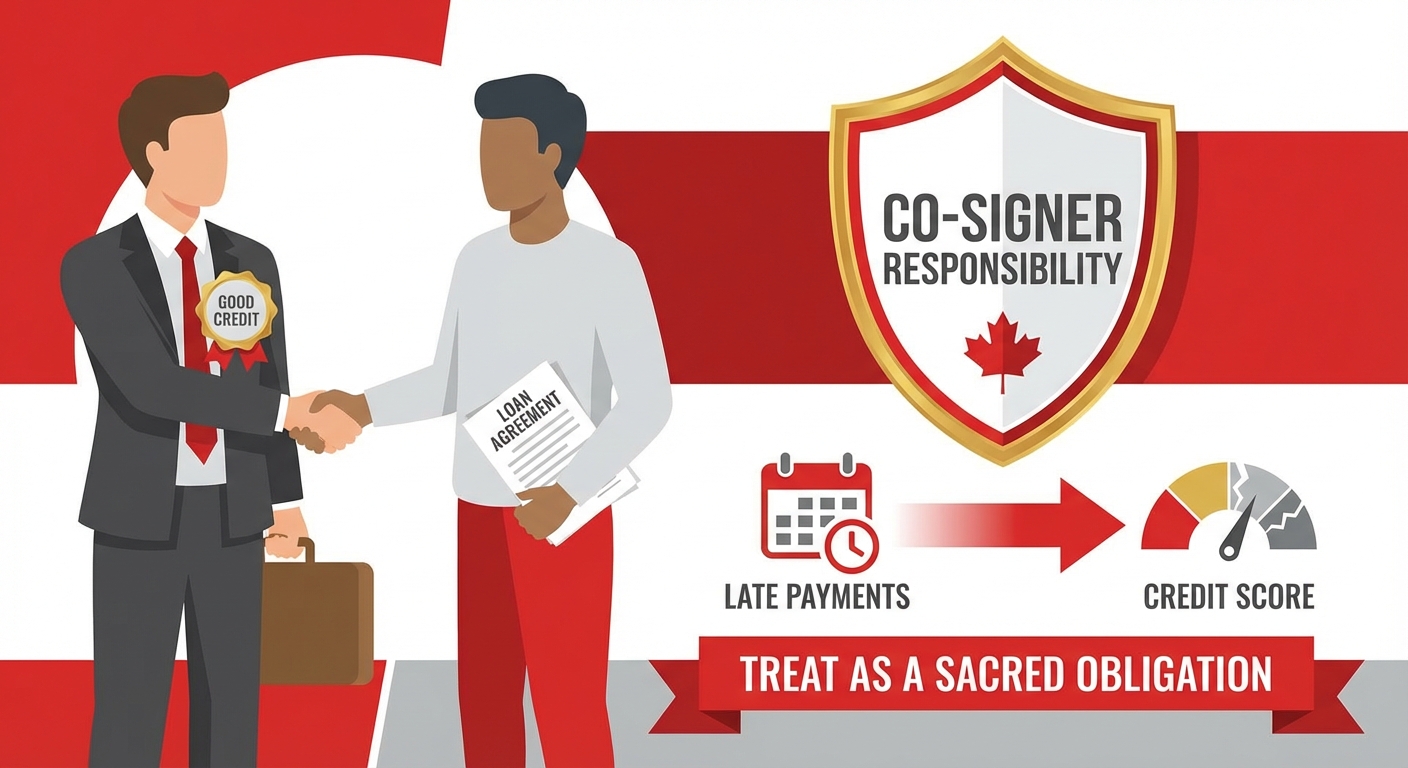
If you need a "real" loan-like for a car-and your score is in the 400s, a co-signer might be your only path to a reasonable interest rate. A co-signer is someone with good credit who agrees to take full legal responsibility for the loan if you default. This is a massive favour, as any late payments you make will also damage their credit score. If you go this route, treat that loan as a sacred obligation.
Specialized Lending Solutions for Bad Credit
Bad Credit Personal Loans: What to Watch For
When you need cash quickly, you might be tempted by installment loans or, worse, payday loans. Let's be very clear: Avoid payday loans at all costs. In Canada, payday loan interest rates can equate to over 400% APR. They are designed to trap you in a cycle of debt.
Instead, look for reputable installment lenders that cater to subprime borrowers. These loans still have high interest rates (often 29% to 47%), but they have fixed terms and report to credit bureaus. The goal is to use these loans only when necessary and to pay them off as fast as possible.
Bad Credit Car Loans
In many parts of Canada, a car isn't a luxury; it's a requirement for employment. Many "Buy Here, Pay Here" dealerships specialize in bad credit car loans. While these can get you on the road, be wary of the total cost of borrowing. Often, the goal should be to take the high-interest loan, make every payment on time for 10-12 months, and then refinance the loan at a much lower rate once your score has improved.
Formal Legal Solutions: When Debt is Unmanageable
Sometimes, the debt is simply too high to pay back through traditional means. In Canada, we have federal laws governed by the Bankruptcy and Insolvency Act that provide a way out. You must work with a Licensed Insolvency Trustee (LIT) to access these options.
Consumer Proposals: The 'Middle Ground' Solution
A Consumer Proposal is often the best alternative to bankruptcy. You and your LIT make an offer to your creditors to pay back a percentage of what you owe (e.g., 30 cents on the dollar) over a period of up to five years. Once the majority of your creditors agree, the deal is legally binding. It stops all interest, stops wage garnishments, and protects your assets like your home or car.
Bankruptcy: The Last Resort
Bankruptcy is the "nuclear option." It wipes out most unsecured debts entirely, but it comes with a heavy cost. A first-time bankruptcy stays on your credit report for 6 to 7 years after discharge. You may also have to surrender certain assets, though provincial variations in Canada allow you to keep "exempt" items like basic furniture, clothing, and in some cases, a vehicle of modest value.
| Feature | Consumer Proposal | Bankruptcy |
|---|---|---|
| Asset Retention | You keep all your assets. | Some assets may be seized. |
| Credit Impact | R7 rating (stays for 3 years after completion). | R9 rating (stays for 6-7 years after discharge). |
| Cost | Fixed monthly payments based on what you can afford. | Can vary based on your "surplus income." |
| Public Record | Yes, it is a legal filing. | Yes, it is a legal filing. |
Strategy: The 12-Month Credit Recovery Roadmap
Rebuilding credit doesn't happen by accident; it happens by design. Here is a battle-tested roadmap for your first year of recovery.
Phase 1 (Months 1-3): Damage Control and Assessment
The first step is knowing exactly where you stand. Pull your credit reports from both Equifax and TransUnion. Look for errors-it is estimated that 1 in 4 Canadians has an error on their credit report. Dispute any accounts that aren't yours or late payments that you actually paid on time. During this phase, stop all new applications for credit.
Phase 2 (Months 4-8): Active Rebuilding
Apply for one or two secured credit cards. This is where you implement the "2-2-2 Rule": Aim for two credit cards, held for at least two years, with at least $2,000 in total limits. Even if you start with $500 limits, the goal is to show consistent usage and on-time payments. This is the "heavy lifting" phase where your score begins to stabilize.
Phase 3 (Months 9-12): Optimization and Monitoring
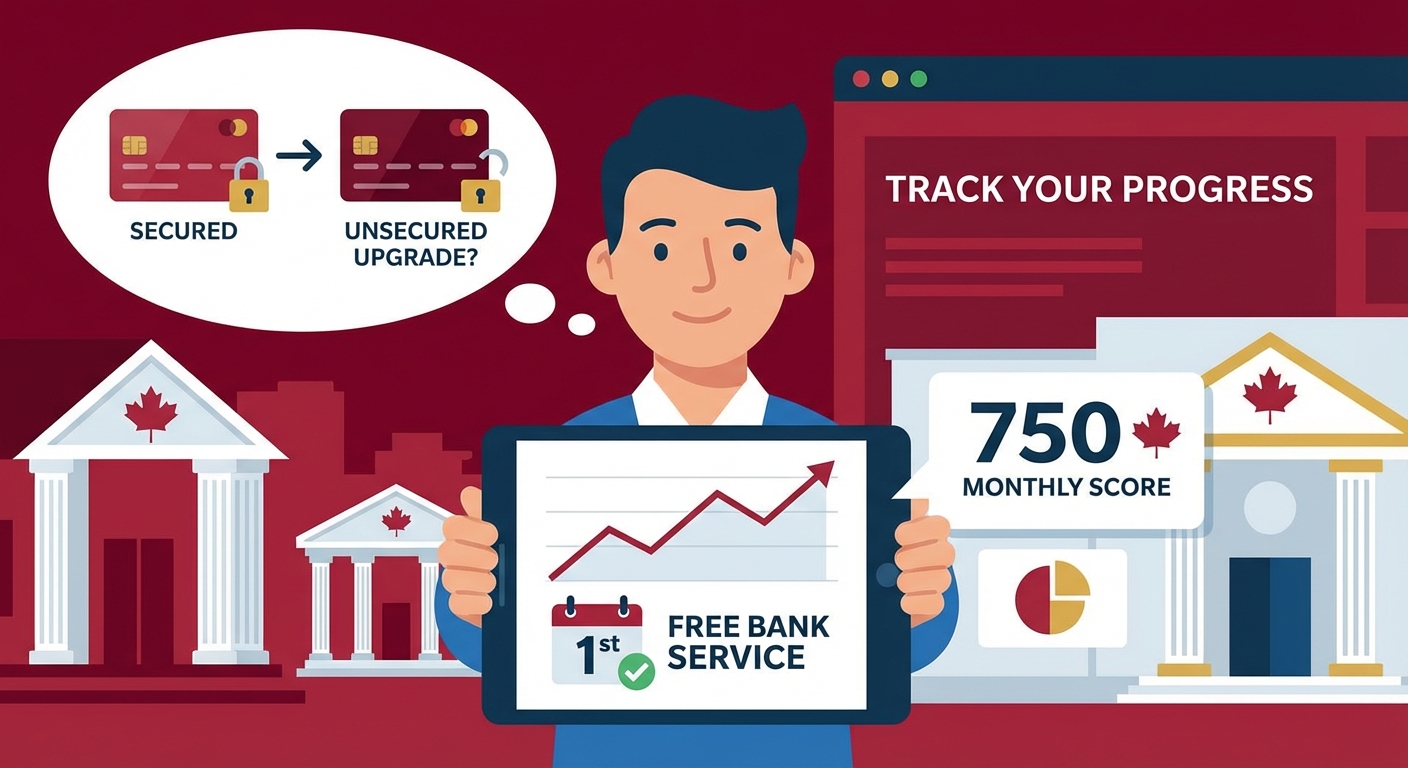
By now, your score should be moving upward. Focus on keeping your utilization low. If you have extra cash, pay down balances further. Start looking at your score once a month through free services (like those offered by many Canadian banks) to track your progress. If your score has risen significantly, you might even be able to ask your secured card provider for an unsecured upgrade.
Avoiding the Scams: Protecting Your Identity and Money
When you are desperate for a solution, you are a target for predatory companies. In Canada, there are specific "credit repair" scams you must avoid. One common one is the "CPN" or "New Identity" scam, where a company promises to give you a new credit number to start fresh. This is highly illegal and considered identity fraud by the RCMP.
Another red flag is any company that asks for payment before they have done any work. In many Canadian provinces, it is actually illegal for credit repair companies to charge upfront fees. Legitimate help-like a Licensed Insolvency Trustee or a Not-for-Profit Credit Counsellor-will be transparent about their fees and won't make "guaranteed" promises that sound too good to be true.
Common Red Flags:
- Promises to remove legitimate negative information from your report.
- Pressure to lie on a credit application.
- Lack of a physical office address in Canada.
- Claims that they have a "special relationship" with the credit bureaus.
Frequently Asked Questions (FAQ)
Can I get a mortgage in Canada with a 500 credit score?
It is extremely difficult to get a traditional mortgage with a 500 score. Most "A-Lenders" (banks) require at least 600-680. However, "Private Lenders" may approve you if you have a large down payment (usually 20-35%), though the interest rates will be significantly higher. Your best bet is to spend 12 months rebuilding your score to at least 600 before applying.
How long does bad credit stay on my report in Canada?
Generally, most negative information (late payments, collections, etc.) stays on your Canadian credit report for six years from the date of the last activity. Bankruptcies stay for six to seven years, depending on the province and whether it is your first or second bankruptcy.
Does checking my own credit score hurt it?
No. When you check your own score, it is considered a "soft inquiry." This does not impact your credit score at all. You can check it as often as you like. Only "hard inquiries"-when a lender checks your credit for an application-can lower your score.
What is the difference between a debt settlement and a consumer proposal?
A debt settlement is an informal negotiation where you or a company tries to get creditors to accept a lump sum. It has no legal protection. A Consumer Proposal is a formal legal process under the Bankruptcy and Insolvency Act. It offers "Stay of Proceedings," meaning creditors cannot sue you or garnish your wages while the proposal is active.
How can I remove a late payment from my credit report?
If the late payment is accurate, you generally cannot remove it; you have to wait for it to age off. However, if you have a long history of on-time payments and just missed one, you can try a "goodwill letter" to the creditor asking them to remove it as a courtesy. If the late payment is an error, you can file a dispute form with Equifax and TransUnion.
Conclusion: Moving Toward Financial Freedom
The journey from a "bad" credit score to financial stability is a marathon, not a sprint. It requires a shift in mindset-from seeing credit as "extra money" to seeing it as a tool that must be managed with precision. By understanding the Canadian credit pillars, utilizing secured tools, and seeking help from the right professional channels, you can reclaim your financial future.
The hardest part is often just looking at the numbers for the first time. But once you know where you stand, you can start moving forward. Pull your reports, identify the errors, and commit to the 12-month roadmap. Your future self-the one who gets approved for that dream home or that new car without the stress of a rejection-will thank you for the work you start today.