Self-Employed? Your Bank Statement is Our 'Income Proof'.
Table of Contents
- The Self-Employed Paradox: Navigating Car Loans Without Traditional Pay Stubs
- Key Takeaways
- Deconstructing 'Income Proof': Why Your Bank Statement is the New Pay Stub for Lenders
- Traditional vs. Self-Employed Income Verification
- Unlocking Your Bank Statements: What Lenders Are Truly Looking For (And How to Show It)
- Beyond the Bank: Building a Bulletproof Financial Narrative for Your Loan Application
- Your Credit Score: The Unsung Partner in Self-Employed Financing Success
- Maximizing Your Approval Odds: The Undeniable Down Payment Advantage
- Navigating the Lender Labyrinth: Finding Allies for Your Self-Employed Loan
- Your Car Choice: How Vehicle Selection Influences Self-Employed Loan Approval
- Easier vs. Harder to Finance Vehicles for Self-Employed Applicants
- Demystifying Rates & Hidden Costs: Securing the Best Deal for Your Self-Employed Loan
- Your Strategic Blueprint: Next Steps to Driving Away with Your Car Loan
The Self-Employed Paradox: Navigating Car Loans Without Traditional Pay Stubs
Are you a thriving entrepreneur, a dedicated freelancer, or a savvy small business owner in Canada? You're building your dreams, creating your own income, and driving the economy forward. But when it comes to securing a car loan, have you ever felt like traditional lenders just don't 'get' your financial reality? The struggle is real: proving your income without a stack of traditional pay stubs can feel like trying to fit a square peg into a round hole. Many self-employed Canadians face this unique challenge, often feeling overlooked or misunderstood by financial institutions rigid in their requirements.
But here's the good news: the landscape of vehicle financing is evolving, and so are the ways lenders assess your financial health. At SkipCarDealer.com, we understand that your bank account tells a much richer, more accurate story of your income and financial stability than any single pay stub ever could. Forget the frustration of being told your legitimate earnings aren't 'proof enough.' Your bank statement isn't just a record of transactions; it's a powerful, viable, and accepted form of income verification that can unlock the car loan you need. Get ready to shift gears and discover how your financial flow can pave the way to your next vehicle.
Key Takeaways
- Bank statements are legitimate and powerful income proof for specialized lenders – learn how to leverage them effectively.
- Your credit score and a strategic down payment are crucial levers in securing favourable loan terms, even without traditional income verification.
- Target lenders and dealerships who explicitly specialize in self-employed financing; they understand your unique financial landscape.
- Preparation, transparency, and a clear financial narrative are your strongest allies in the application process.
- Always review the full loan terms, understand all costs, and don't hesitate to negotiate for better rates and fees.
Deconstructing 'Income Proof': Why Your Bank Statement is the New Pay Stub for Lenders
For decades, the bedrock of loan applications has been the traditional pay stub, often accompanied by a T4 slip. These documents offer a clear, standardized snapshot of an employee's regular, predictable income, making risk assessment straightforward for lenders. But what happens when you don't fit that mould? What if your income isn't a bi-weekly fixed deposit, but rather a dynamic flow of client payments, project fees, and sales revenue? This is the reality for millions of self-employed Canadians, and it's precisely where traditional lending models often fall short.
The traditional hurdle for self-employed individuals stems from the perceived "irregularity" or "volatility" of their income. Lenders, accustomed to the simplicity of an employer-issued pay stub, struggle to interpret the nuances of business expenses, varying client invoices, and seasonal fluctuations. They might see a lower net income on a Notice of Assessment (NOA) due to legitimate business write-offs, failing to grasp the true operating cash flow that supports a comfortable lifestyle and loan repayments. This often leads to frustrating rejections or less favourable terms, simply because the old system isn't designed to tell your full financial story.
However, a significant paradigm shift is underway in the lending industry: the cash flow revolution. Modern, forward-thinking lenders, especially those specializing in alternative financing, have learned to read your financial health and stability through the lens of your bank statements. They understand that consistent, verifiable deposits, even if they vary in amount or timing, paint a picture of ongoing revenue. Instead of a single, static pay stub, they look for patterns, trends, and the overall health of your cash flow over several months. This approach acknowledges the dynamic nature of self-employment and provides a far more accurate assessment of your ability to repay a loan.
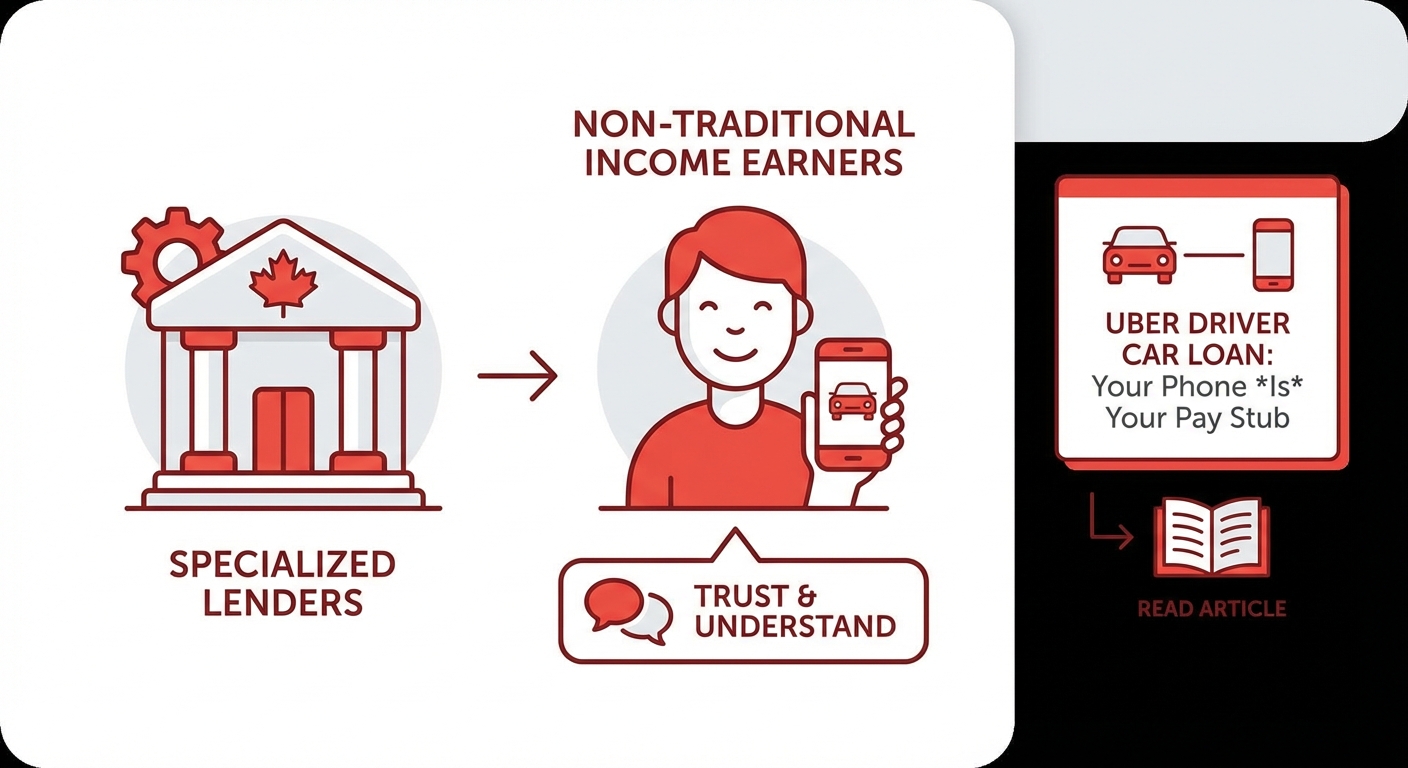
In this new context, "income proof" for entrepreneurs means demonstrating a reliable and sufficient cash flow. It's about showing the consistent influx of funds into your account, indicating active business operations and a steady revenue stream. This could be through a combination of bank statements, your Notice of Assessment, business invoices, or client contracts. The goal isn't to pretend you're a salaried employee; it's to present your unique financial narrative in a way that specialized lenders can easily understand and trust. For more specific insights into how other non-traditional income earners secure financing, you might find our article Uber Driver Car Loan: Your Phone *Is* Your Pay Stub particularly helpful.
Traditional vs. Self-Employed Income Verification
| Aspect | Traditional Income Verification | Self-Employed Income Verification |
|---|---|---|
| Primary Documents | Pay stubs, T4 slips, Employment Letter | Bank statements, Notice of Assessment (NOA), Business invoices, Contracts |
| Lender Focus | Fixed salary/wage, predictable deductions | Consistent cash flow, revenue patterns, business activity |
| Perceived Risk | Generally lower (predictable income) | Historically higher (perceived income volatility), but changing |
| Ease of Approval | High, standard process | Requires specialized lenders, careful documentation |
| Key Challenge | N/A | Translating dynamic income into verifiable stability |
Pro Tip:
Maintain meticulously organized financial records, separating business and personal transactions. A clear, categorized paper trail (digital or physical) significantly streamlines the loan application and approval process.
Unlocking Your Bank Statements: What Lenders Are Truly Looking For (And How to Show It)
Your bank statements are more than just a ledger; they're a dynamic narrative of your financial life. For lenders specializing in self-employed financing, these documents offer crucial insights into your business's health and your personal financial discipline. But simply submitting a stack of statements isn't enough; you need to understand what lenders are actively searching for and how to present it effectively.
Firstly, lenders scrutinize your statements for Consistent Deposits: The Undeniable Pulse of Your Business Income and Reliability. They want to see a regular flow of money coming into your account, ideally from various clients or sales. This consistency, even if the amounts fluctuate, demonstrates ongoing business activity and a reliable revenue stream. A lender isn't necessarily looking for the exact same deposit every two weeks; rather, they're looking for evidence that your business is generating income consistently over time – perhaps monthly, bi-monthly, or even weekly, depending on your industry. Highlighting these patterns, perhaps with a brief cover letter or by circling relevant transactions, can be incredibly helpful.
Next, they'll analyze your Expenditure Patterns: Demonstrating Financial Responsibility and Prudent Management. While your income is vital, your spending habits also tell a story. Lenders want to see that you manage your money responsibly. Are your essential bills paid on time? Do you have excessive discretionary spending that could jeopardize loan repayments? A balanced approach, where income comfortably outweighs necessary expenses, signals a responsible borrower. This isn't about micromanaging your coffee budget, but ensuring your overall financial behaviour aligns with your ability to meet new obligations.
Your Account Balances & Reserves: Signaling Stability, Financial Cushion, and Long-Term Viability are also paramount. Healthy account balances, especially at the end of each month, indicate that you have a financial cushion. This reserve shows lenders that you can weather unexpected business slowdowns or personal emergencies without immediately defaulting on loan payments. It demonstrates foresight and stability, reassuring lenders that you're not living paycheque-to-paycheque, even if your 'paycheques' are less predictable.
Conversely, there are Red Flags to Avoid: Understanding the Impact of Overdrafts, NSF Fees, and Unexplained Large Transfers. Frequent overdrafts or Non-Sufficient Funds (NSF) fees are immediate warning signs of financial instability and poor money management. Unexplained large transfers, particularly those that appear to be moving money between personal and business accounts without clear purpose, can also raise questions about the true source and stability of your income. Transparency and consistency are key; if you have unusual transactions, be prepared to explain them clearly.
Finally, there's The 'How Many Months?' Question: Typical Requirements and Best Practices for Statement Submission. Most lenders will request 3 to 6 months of bank statements, sometimes even up to 12 months for a more comprehensive view. Providing the longest possible clean history is always beneficial. Ensure your statements are complete, legible, and clearly show your name or business name. If you use multiple accounts for your business, be prepared to provide statements for all relevant ones to give a full picture of your cash flow.
Pro Tip:
If possible, use a dedicated business bank account. This creates a cleaner, more credible financial picture for lenders, separating personal expenses from business revenue, making it much easier for them to assess your business's true income.
Beyond the Bank: Building a Bulletproof Financial Narrative for Your Loan Application
While your bank statements are a cornerstone of your self-employed car loan application, they are just one piece of the puzzle. To truly stand out and present a compelling case to lenders, you need to build a comprehensive financial narrative. This involves supplementing your bank statements with other documents that reinforce your financial stability, legitimacy, and future earning potential. Think of it as painting a full, vibrant picture of your business, rather than just sketching an outline.
One of the most powerful supplementary documents is Your Notice of Assessment (NOA): The Taxman's Impartial Stamp of Financial Activity. Your NOA, issued by the Canada Revenue Agency (CRA), confirms your reported taxable income for previous years. While self-employed individuals often strategically minimize taxable income through legitimate write-offs, the NOA still serves as an official, third-party verification of your earnings. Lenders use it to cross-reference with your bank statements and get a historical perspective on your income trends. Even if your net income appears modest, a consistent history of filing and reporting income is invaluable.
Further bolstering your credibility is your Business Registration & Licensing: Proving Legitimacy, Structure, and Longevity. Whether you're a sole proprietor, a partnership, or an incorporated entity, official registration documents confirm your business's legal existence. Licenses pertinent to your industry demonstrate compliance and professionalism. These documents assure lenders that your business is not a fleeting venture but a legitimate, structured operation with a commitment to long-term viability. They add a layer of formality and trust to your application.
To demonstrate future earning potential, particularly useful for newer businesses or those with fluctuating income, consider providing Client Contracts & Invoices: Forecasting Future Earnings with Tangible Proof. Active contracts with clients, especially long-term ones, offer a clear forecast of upcoming revenue. Recent invoices for completed work prove ongoing service delivery and payment collection. These documents provide concrete evidence of future cash flow, moving beyond historical data to show a lender what's on the horizon for your business. It's a proactive way to mitigate concerns about income stability.
Finally, don't underestimate The Power of a Personal Statement: Telling Your Unique Business Story to Lenders. This isn't a formal document, but a brief, clear letter or summary that contextualizes your financial situation. Explain your business model, how you generate income, any recent growth, or plans for the future. If you have legitimate reasons for fluctuating income or lower taxable income, this is your opportunity to articulate them. A well-crafted personal statement can humanize your application, allowing lenders to understand the person and the passion behind the numbers. It fills in the gaps that numbers alone might leave.
Pro Tip:
If your taxable income appears low due to legitimate business write-offs, proactively prepare a brief, clear explanation. Providing context helps lenders understand your true operating cash flow versus taxable profit, preventing misinterpretations.
Your Credit Score: The Unsung Partner in Self-Employed Financing Success
While the focus for self-employed individuals often shifts to alternative income proof, it's crucial to remember that your credit score remains a profoundly influential factor in securing a car loan. Even with stellar bank statements, a strong credit history acts as a powerful endorsement of your reliability as a borrower. It tells lenders how responsibly you've managed past debts, paid bills, and handled credit accounts, offering a standardized measure of your financial trustworthiness.
Why Your Credit Score Still Holds Significant Weight in the Approval Process is simple: it's a universal language for risk assessment. While specialized lenders are more flexible with income verification, they still rely on credit scores to gauge your overall financial behaviour. A good score signals a lower risk of default, making you a more attractive borrower. This can translate directly into better interest rates, more flexible terms, and a smoother approval process. Conversely, a poor credit score, even with strong cash flow, can lead to higher interest rates, stricter terms, or even rejection, as lenders perceive a higher inherent risk.
If your credit score needs a boost, there are Strategic Moves to Rapidly Improve Your Credit Score Before Applying. Start by checking your credit report for errors and disputing them immediately. Pay down outstanding debts, especially high-interest credit card balances, as utilization rates significantly impact your score. Make all payments on time, every time – payment history is the single most important factor. Consider a secured credit card or a small credit-builder loan if you have limited credit history, demonstrating responsible borrowing. Even small, consistent efforts can yield noticeable improvements over a few months.
Understanding Different Credit Tiers: How They Directly Impact Your Interest Rates and Terms is also vital. Lenders categorize applicants into tiers based on their credit scores (e.g., excellent, good, fair, poor). Each tier is associated with different risk levels and, consequently, different interest rates and loan terms. An excellent score (typically 760+) will unlock the lowest rates, while a fair or poor score (below 660) will likely result in higher rates to compensate the lender for increased risk. Knowing your score allows you to set realistic expectations and understand how much you might pay over the life of the loan. For those curious about navigating financing with less-than-perfect credit, our article Flat Tire, Flat Credit? Toronto, We've Got Your Fix. offers additional guidance.
Finally, consider The Debt-to-Income Ratio: Balancing Your Financial Commitments for Lender Confidence. Even if your income is strong, lenders assess how much of it is already committed to existing debt payments. A high debt-to-income (DTI) ratio can signal that you're overextended, even if your credit score is good. Aim for a DTI below 40%, ideally lower, to demonstrate that you have ample disposable income to comfortably manage a new car loan alongside your current obligations. Reducing existing debt prior to applying for a car loan can significantly improve this ratio and make your application more attractive.
Pro Tip:
Obtain copies of your credit reports from both major bureaus (e.g., Equifax and TransUnion) well in advance of applying. Meticulously review them for any errors or discrepancies and dispute them immediately.
Maximizing Your Approval Odds: The Undeniable Down Payment Advantage
When you're self-employed and navigating the nuances of car financing, every advantage counts. One of the most powerful tools in your arsenal, often underestimated, is a substantial down payment. It's not just about reducing the amount you borrow; it's about fundamentally altering the risk profile of your loan in the eyes of a lender, significantly improving your approval chances and potentially securing much more favourable terms.
From The Lender's Perspective: Why Down Payments Matter Even More for Self-Employed Applicants, it boils down to risk mitigation. Self-employed income, despite its legitimacy, can still be perceived as having a higher degree of fluctuation compared to traditional employment. A significant down payment immediately reduces the principal amount borrowed, which in turn lowers the lender's exposure to risk. It acts as a buffer against potential income dips and demonstrates your serious commitment to the purchase. It signals financial stability and responsible planning, showing that you have the capital available and are willing to invest your own money upfront.
So, What's Considered a 'Strong' Down Payment in the Current Self-Employed Market? While there's no magic number, generally, 10% to 20% of the vehicle's purchase price is considered a good starting point. However, for self-employed individuals, pushing this even higher – perhaps 25% or more – can dramatically improve your position. The larger your down payment, the lower your loan-to-value (LTV) ratio, which is a key metric for lenders. A lower LTV means less risk for them, often translating into better interest rates and more flexible approval criteria, especially if other aspects of your application (like credit score) aren't perfect.
Consider Smart Sources for Your Down Payment: Leveraging Savings, Trade-ins, and Gifted Funds. Your personal savings are often the most straightforward source, showcasing your financial discipline. If you have an existing vehicle, using its trade-in value is an excellent way to contribute to your down payment, often simplifying the transaction. For larger sums, gifted funds from family members can also be considered, though lenders may require a gift letter to verify that the funds are indeed a gift and not a loan. Regardless of the source, ensure the funds are readily available and can be clearly documented.
Pro Tip:
Even a modest down payment is significantly better than none. It demonstrates commitment, reduces the loan-to-value ratio, and signals financial stability to lenders. Every dollar you put down upfront works in your favour.
Navigating the Lender Labyrinth: Finding Allies for Your Self-Employed Loan
The journey to securing a car loan as a self-employed individual can feel like navigating a complex maze. Not all lenders are created equal, and knowing where to focus your efforts can save you immense time and frustration. The key is to seek out financial partners who genuinely understand and cater to the unique financial landscape of entrepreneurs.
You might wonder Why Traditional Banks Often Miss the Mark for Dynamic Entrepreneurs. Major banks typically operate with rigid, standardized lending criteria designed for conventional employment. Their systems are optimized for T4s and consistent pay stubs, making it challenging for them to properly assess the variable income streams common in self-employment. While they might offer competitive rates for traditional applicants, self-employed individuals often find themselves facing more scrutiny, higher requirements, or outright rejection, simply because their income doesn't fit the bank's predefined boxes.
Instead, look for The Sweet Spot: Dealership Financing & Specialized Lenders Who Truly 'Get It'. Many car dealerships, like SkipCarDealer.com, have established relationships with a network of lenders, including those who specialize in non-traditional financing. These specialized lenders are specifically set up to evaluate self-employed applications, understanding that bank statements, NOAs, and business invoices are legitimate indicators of income. They are more adept at analyzing cash flow, recognizing business write-offs, and assessing the overall health of a self-employed individual's finances. This is often your most promising avenue for approval.
Online Lenders and Brokers: Balancing Convenience with Due Diligence also present an option. The digital landscape has brought forth numerous online lenders and brokers who promise quick approvals for various credit situations, including self-employment. While they offer convenience and speed, it's crucial to exercise due diligence. Research their reputation, read reviews, and ensure they are legitimate Canadian entities. Some online platforms specialize in connecting self-employed individuals with appropriate lenders, streamlining the process. However, always be wary of offers that seem too good to be true, and thoroughly understand all terms and conditions.
To ensure you're working with the right partners, practice Asking the Right Questions: Identifying Truly Self-Employed Friendly Lenders. When you first engage with a lender or dealership, ask directly: "Do you have specific programs or lenders that specialize in financing for self-employed individuals who use bank statements as proof of income?" Inquire about their typical document requirements for self-employed applicants and their process for evaluating non-traditional income. Their willingness and ability to answer these questions clearly will quickly tell you if they are an ally or just another dead end. For those in Ontario, specifically, navigating used car finance options as self-employed, our guide Approval Secrets: Navigating the Best Used Car Finance Options for Ontario’s Self-Employed provides even more targeted advice.
Pro Tip:
Start your search with lenders or dealerships that explicitly advertise 'self-employed car loans' or 'alternative income financing.' They are already primed to understand and accommodate your unique needs and have established processes for such applications.
Your Car Choice: How Vehicle Selection Influences Self-Employed Loan Approval
Believe it or not, the specific vehicle you choose can play a significant role in the success of your self-employed car loan application. Lenders assess not just your ability to pay, but also the overall risk associated with the asset being financed. For self-employed individuals, this consideration can be even more pronounced, impacting everything from approval odds to interest rates.
Let's consider New vs. Used: Which Path is Generally Smoother for Self-Employed Financing? Generally, used vehicles can present a smoother path. They typically have a lower purchase price, which means a smaller loan amount and less risk for the lender. While new cars offer warranties and the latest features, their rapid depreciation in the first few years can make lenders more cautious, especially with non-traditional income verification. A well-maintained, reliable used car often strikes a better balance between affordability, practicality, and lender comfort.
The Value Proposition: How Vehicle Price Directly Affects Lender Risk Assessment is straightforward. A higher-priced vehicle naturally requires a larger loan, increasing the lender's exposure. For self-employed applicants, who might already be perceived as slightly higher risk due to income variability, opting for a luxury or very expensive vehicle can make approval more challenging. Lenders prefer to see that your car choice aligns realistically with your demonstrable income and financial capacity. A sensible, affordable choice signals responsible financial planning.
Furthermore, consider Reliability & Resale: Choosing a Car That Supports Your Long-Term Financial Stability. Lenders prefer to finance vehicles that hold their value well and are known for their reliability. Should a borrower default, the lender needs to recover their investment by selling the car. A reliable vehicle with good resale value represents a more secure asset. Choosing a car that is notoriously unreliable or has poor resale value can make lenders hesitant. Researching vehicle dependability and market demand can be a smart move.
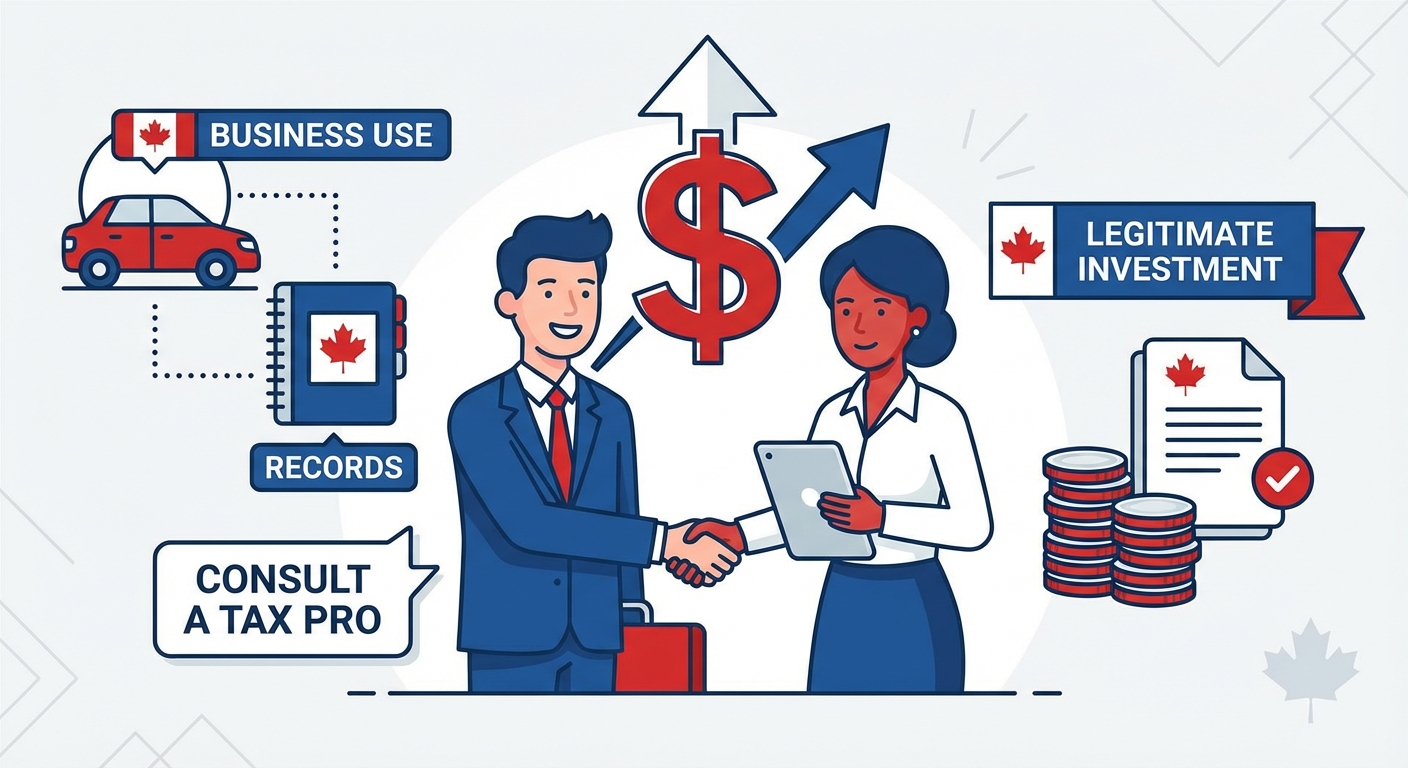
Finally, a brief thought on Is It a Business Asset? (Briefly touch on potential tax implications for self-employed individuals). For many self-employed individuals, their vehicle is an essential tool for their business. While this article focuses on loan approval, remember that a portion of your vehicle expenses (fuel, maintenance, insurance, depreciation, interest on the loan) may be tax-deductible if the vehicle is used for business purposes. This can be a significant financial benefit, but it's crucial to consult with a tax professional to understand the specific rules and maintain meticulous records of business usage. This also reinforces the legitimacy of your vehicle choice as a necessary business investment.
Easier vs. Harder to Finance Vehicles for Self-Employed Applicants
| Factor | Easier to Finance | Harder to Finance |
|---|---|---|
| Vehicle Type | Reliable used sedans, compact SUVs, popular models | Luxury vehicles, sports cars, heavily modified vehicles |
| Price Point | Affordable, aligns with demonstrable income | High-end, disproportionate to income |
| Resale Value | Strong market demand, holds value well | Rapid depreciation, niche market |
| Perceived Risk | Lower LTV, practical choice | Higher LTV, perceived as discretionary/unnecessary |
| Lender Comfort | High, seen as a responsible investment | Lower, seen as a higher risk asset |
Pro Tip:
Focus on a vehicle that aligns realistically with your demonstrable income and serves a practical purpose. Lenders appreciate responsible and sensible choices, which can directly influence your approval and loan terms.
Demystifying Rates & Hidden Costs: Securing the Best Deal for Your Self-Employed Loan
Once you've navigated the approval process, the next critical step is to thoroughly understand the true cost of your car loan. For self-employed individuals, vigilance is key, as rates might initially appear higher, and hidden fees can erode the value of your deal. Being informed and prepared to negotiate is paramount to securing the best possible terms.
First, it's essential to grasp Understanding APR vs. Interest Rate: The Complete Picture of Your Loan's Cost. The interest rate is the percentage charged on the principal amount of your loan. However, the Annual Percentage Rate (APR) provides a more comprehensive measure of the total cost of borrowing. APR includes the interest rate plus any additional fees, such as administrative charges, documentation fees, or loan origination fees, expressed as a yearly percentage. Always focus on the APR when comparing loan offers, as it gives you the most accurate representation of what you'll truly pay over the loan term.
You might find yourself asking Why Self-Employed Rates Might Differ (and Proactive Strategies to Mitigate It). Due to the perceived higher risk associated with non-traditional income, self-employed individuals might initially be offered slightly higher interest rates compared to traditionally employed applicants with identical credit scores. However, this isn't a fixed reality. You can mitigate this through strategies like making a larger down payment, presenting an impeccably organized financial narrative, maintaining an excellent credit score, and demonstrating a low debt-to-income ratio. The stronger your overall financial profile, the better your chances of negotiating a competitive rate.
Be acutely aware of Unmasking Hidden Fees: Documentation, Administration, and Extended Warranty Traps. Dealerships and lenders sometimes include various fees that can inflate the total cost without adding significant value. These can include documentation fees, administrative fees, etching fees, or charges for unwanted extended warranties or protection packages. Always ask for a detailed breakdown of all costs. Question any fee that seems unclear or excessive. Remember, many of these fees are negotiable, or you may be able to decline optional add-ons. Don't be afraid to push back.
Finally, master The Art of Negotiation: Powerful Strategies for Better Terms and Lower Costs. Knowledge is your greatest weapon. Come prepared with pre-approval offers (if possible) from other lenders to use as leverage. Be willing to walk away if the deal isn't right. Focus on the total price of the car and the overall APR, not just the monthly payment. Negotiate each component of the deal separately – vehicle price, trade-in value, interest rate, and fees. Don't rush, and be polite but firm. Your ability to negotiate can save you hundreds, if not thousands, of dollars over the life of your loan.
Pro Tip:
Always request and meticulously review a detailed quote that breaks down the principal, interest, and all associated fees. If any item isn't crystal clear, demand a full explanation before committing. Don't sign anything you don't fully understand.
Your Strategic Blueprint: Next Steps to Driving Away with Your Car Loan
Securing a car loan as a self-employed individual might seem like a complex undertaking, but with a clear strategy and careful preparation, it's entirely achievable. Follow this step-by-step blueprint to confidently navigate the process and drive away in your new vehicle with peace of mind.
Step 1: Comprehensive Financial Housekeeping & Credit Report Audit. Before anything else, get your financial house in order. Separate business and personal finances. Organize all your income and expense records. Crucially, obtain your credit reports from Equifax and TransUnion