Alberta Car Loan: What if Your Credit Score Doesn't Matter?
Table of Contents
- Alberta Car Loan: What if Your Credit Score Doesn't Matter?
- Introduction: Challenging the Myth – What if Your Credit Score Isn't the Ultimate Gatekeeper for an Alberta Car Loan?
- Key Takeaways: Your Fast Track to Understanding Alberta Car Loans Beyond Credit Scores
- Beyond the FICO Frontier: What Truly Matters to Alberta Lenders (When Your Score Doesn't)
- Navigating Alberta's Diverse Lending Landscape: Finding Your Path to Car Ownership
- The Application Playbook: Presenting Your Strongest Case for an Alberta Car Loan
- Decoding the Dollars and Cents: Unpacking Interest Rates, Terms, and Fees in Alberta
- Beyond the Purchase: How Your Alberta Car Loan Can Pave the Way to a Brighter Financial Future
- Your Next Steps to Approval: An Alberta-Specific Action Plan
- Frequently Asked Questions (FAQ) About Alberta Car Loans
- Can I get a car loan in Alberta with no credit history?
- What's the difference between a secured and unsecured car loan in Alberta?
- How much of a down payment do I need for a car loan in Alberta?
- Will applying for multiple car loans hurt my credit score in Alberta?
- What if I have a bankruptcy or consumer proposal in Alberta?
- Are there government programs or grants for car loans in Alberta?
Alberta Car Loan: What if Your Credit Score Doesn't Matter?
Introduction: Challenging the Myth – What if Your Credit Score Isn't the Ultimate Gatekeeper for an Alberta Car Loan?
For many aspiring car owners in Alberta, the credit score looms large – a seemingly insurmountable barrier determining whether they drive away in their dream vehicle or walk away empty-handed. Conventional wisdom often dictates that a stellar credit score is the golden ticket to car loan approval, dictating everything from interest rates to the very possibility of securing financing. But what if this isn't the whole story? What if, in the dynamic landscape of Alberta’s lending market, your credit score isn't the ultimate gatekeeper after all?
This article challenges that widespread belief, delving deep into the nuanced reality of car loan approvals in the Wild Rose Country. We're not here to offer generic, one-size-fits-all advice. Instead, we'll explore the alternative pathways, overlooked factors, and strategic approaches that can unlock car ownership for you, even if your credit history is less than perfect, non-existent, or simply doesn't tell the full story of your financial capability. Prepare to discover a perspective that moves beyond the simple FICO number, focusing on what truly matters to Alberta lenders when assessing your ability to pay.
Key Takeaways: Your Fast Track to Understanding Alberta Car Loans Beyond Credit Scores
- Your credit score is just one piece of the puzzle; stable income, employment history, and a down payment often carry significant weight with Alberta lenders.
- Alternative lenders, credit unions, and dealership 'special finance' departments are viable options for those with challenged credit.
- Understanding your Debt-to-Income (DTI) ratio and demonstrating financial stability are crucial, often more so than a perfect score.
- A strategic approach to your application, including gathering comprehensive documents and explaining past challenges, can significantly improve your chances.
- While higher interest rates may be a reality, a car loan can be a powerful tool to rebuild or establish credit in Alberta.
- Pre-approval from multiple sources empowers you, giving you negotiating leverage at the dealership.
Beyond the FICO Frontier: What Truly Matters to Alberta Lenders (When Your Score Doesn't)
In the traditional lending world, your credit score acts as a quick snapshot of your financial reliability. It's a numerical representation of your past borrowing and repayment behaviour. However, for many Alberta lenders, especially those specializing in non-prime financing, this single number doesn't fully encapsulate your current financial health or your potential as a borrower. When your credit score isn't shining, lenders shift their focus to a more holistic view of your financial life. What do they scrutinize instead?
The Alberta Economic Pulse: Local Factors Influencing Loan Approvals
Alberta's economy is unique, often characterized by its robust energy sector, but also by growing diversification in technology, agriculture, and tourism. These local economic conditions can subtly, yet significantly, influence how lenders assess risk and their willingness to approve loans. For instance, during periods of economic stability or growth, lenders might be more flexible, recognizing the province's strong employment opportunities. Conversely, during downturns, they might tighten criteria slightly. Lenders operating within Alberta are acutely aware of these provincial nuances. They understand the employment patterns, the cost of living, and the general financial health of residents. This localized understanding can sometimes work in your favour, as a lender might be more inclined to approve a loan based on your demonstrable connection to a stable local industry, even if your credit score doesn't reflect that stability yet. They're looking at the bigger picture of Alberta's resilience and your place within it.
Stable Income & Employment: The Unsung Heroes of Your Loan Application
If your credit score is taking a backseat, your income and employment history step into the spotlight. Lenders want assurance that you have a consistent, reliable source of funds to make your monthly car payments. They're looking for stability, not just a high salary. What constitutes stability? Typically, lenders prefer to see a consistent employment history, ideally with the same employer for at least six months to a year, or a clear progression in your career path. They'll want to verify your income through pay stubs, employment letters, or bank statements.
For those who are self-employed, demonstrating stable income requires a bit more documentation. Lenders will often ask for two to three years of tax returns (Notice of Assessment), bank statements, and potentially financial statements from your business. The key is to show a consistent, predictable income stream, even if it fluctuates month-to-month. While it might seem daunting, presenting a clear picture of your earnings can often outweigh a less-than-perfect credit score. For more tailored advice on this, you might find our article Approval Secrets: Navigating the Best Used Car Finance Options for Ontario’s Self-Employed helpful, as many principles apply across provinces.
The Power of Your Down Payment: Showing Financial Commitment
Think of a down payment as your financial handshake to the lender. It's a tangible demonstration of your commitment to the loan and your ability to save. When you put down a significant amount of money upfront, you immediately reduce the lender's risk. Why? Because the loan amount is smaller relative to the vehicle's value, meaning there's less for them to lose if something goes wrong. A strong down payment can open doors to approval even with a low credit score, as it signals financial responsibility and reduces the loan-to-value (LTV) ratio. For example, putting down 10-20% of the vehicle's purchase price can significantly improve your chances. Start saving early, even small amounts, and consider it an investment in securing your vehicle and potentially better loan terms.
Debt-to-Income Ratio (DTI): Your Financial Balancing Act
Beyond your gross income, lenders are deeply interested in your Debt-to-Income (DTI) ratio. This metric reveals how much of your monthly income goes towards paying off existing debts. It’s a crucial indicator of your capacity to take on new debt, like a car loan, without becoming overextended. To calculate your DTI, sum up all your monthly debt payments (credit card minimums, student loan payments, rent/mortgage, other loan payments) and divide that by your gross monthly income. Multiply the result by 100 to get a percentage.
Lenders typically prefer a DTI ratio of 36% or lower, though some non-prime lenders might accept higher, especially if other factors are strong. A lower DTI indicates you have ample income left after covering your existing obligations, making you a less risky borrower. To improve your DTI, focus on paying down existing debts or increasing your income. Even small reductions in credit card balances can make a noticeable difference.
Navigating Alberta's Diverse Lending Landscape: Finding Your Path to Car Ownership
The journey to securing a car loan in Alberta, especially when your credit score isn't ideal, involves understanding the various types of lenders available. Each has its own criteria, benefits, and drawbacks. Knowing where to look and what to expect can significantly streamline your search.
Dealership Financing: Convenience vs. Cost for Challenged Credit
Many car dealerships in Alberta offer in-house financing or work with a network of lenders, including those specializing in 'special finance' for individuals with bad or no credit. The primary advantage here is convenience: you can often complete the entire car-buying and financing process under one roof. Dealerships have dedicated finance managers who act as intermediaries, matching your profile with suitable lenders from their portfolio. They understand the nuances of various loan products and can often advocate on your behalf.
However, this convenience can sometimes come at a cost. While dealerships can secure approvals, especially for those with challenged credit, the interest rates might be higher than what you could find through other avenues. It's essential to be diligent. Dealerships often have access to both prime and subprime lenders, and their goal is to get you approved, sometimes at the highest rate they can reasonably justify. Always scrutinize the terms and rates offered.
| Pros of Dealership Financing (Challenged Credit) | Cons of Dealership Financing (Challenged Credit) |
|---|---|
| One-stop shop for car and loan. | Potentially higher interest rates. |
| Access to a network of diverse lenders. | Less transparency in lender selection. |
| Finance managers can navigate complex applications. | Pressure to accept immediate offers. |
| Quick approval process. | Limited negotiation power on rates without external offers. |
The Credit Union Advantage: Community-Focused Lending in Alberta
Credit unions in Alberta, such as Servus Credit Union, ConnectFirst Credit Union, or ATB Financial (though technically a provincial financial institution, it shares many community-focused attributes), often operate with a different philosophy than large commercial banks. As member-owned institutions, they tend to prioritize community welfare and personalized service. This can translate into more flexible lending terms, especially for members who might not fit the rigid criteria of larger banks. They are often more willing to look beyond just a credit score, considering your relationship with the institution, your overall financial picture, and your potential for future financial growth.
If you have a banking relationship with a local credit union, or are willing to become a member, it's definitely worth exploring their car loan options. They might offer slightly better rates or more understanding terms for those with less-than-perfect credit, viewing you as a valued member rather than just a number.
Subprime Lenders: A Necessary Bridge, But With Caveats
Subprime lenders specialize in providing loans to individuals with low credit scores, limited credit history, or past financial difficulties. They serve as a crucial bridge for many Albertans who would otherwise be denied financing. However, this increased accessibility comes with a trade-off: higher interest rates. Subprime loans carry more risk for the lender, and these higher rates compensate them for that risk.
When considering a subprime lender in Alberta, it's paramount to do your homework. Look for reputable lenders with transparent terms. Scrutinize the Annual Percentage Rate (APR), which includes the interest rate and any fees, to understand the true cost of the loan. Pay close attention to the loan term, prepayment penalties, and any hidden fees. While subprime loans can be a stepping stone to rebuilding credit, they should be approached with caution and a clear understanding of the financial commitment.
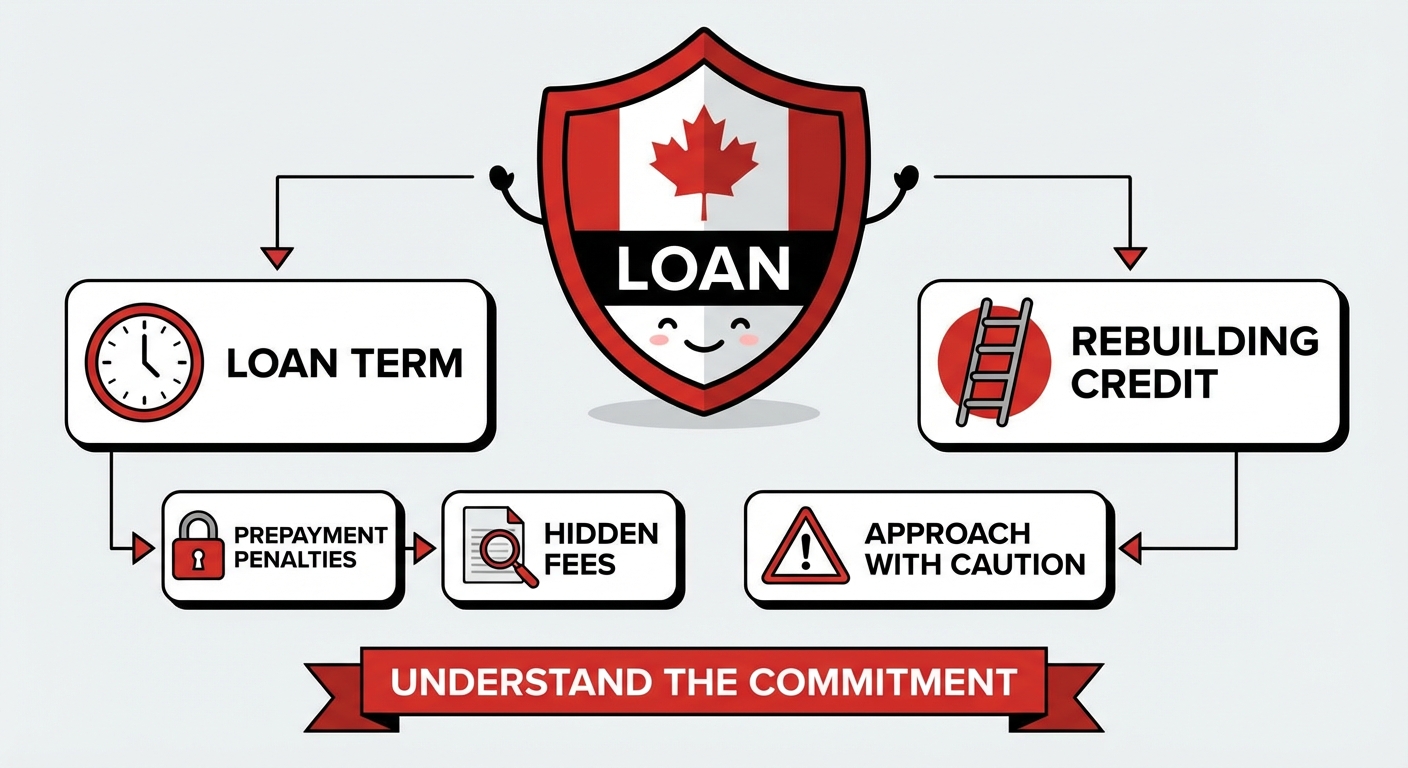
Image 1: Context - A visual representation of diverse financial factors being weighed in a loan application, beyond just a credit score. This could be a collage showing income statements, job offers, a down payment stack, and a co-signer's signature, with a less prominent credit report in the background.
Secured Loans & Co-Signers: Leveraging Assets and Relationships
If traditional avenues prove challenging, a secured loan or a co-signer can significantly improve your chances of approval. A secured loan means you're offering collateral – an asset the lender can seize if you default on the loan. For a car loan, this is typically the vehicle itself, but in some cases, you might be able to use another asset, like a paid-off vehicle or even property, to secure the loan. By reducing the lender's risk, secured loans often come with more favourable terms, even for those with lower credit scores.
Alternatively, a co-signer can be a powerful asset. A co-signer is someone with good credit who agrees to be equally responsible for the loan if you fail to make payments. Their strong credit history essentially "backs" your application, making you a more attractive borrower to the lender. This is a significant responsibility for the co-signer, as their credit will also be impacted if you miss payments. It requires a high degree of trust and open communication, but it can be a vital path to car ownership for many.
The Application Playbook: Presenting Your Strongest Case for an Alberta Car Loan
Successfully securing a car loan when your credit score is a concern isn't just about finding the right lender; it's also about how you present yourself. A well-prepared and transparent application can make all the difference.
Gathering Your Arsenal: Essential Documents for a Seamless Application
Being organized is your secret weapon. Before you even begin the application process, gather all necessary documents. This proactive approach not only speeds up the process but also demonstrates your seriousness and reliability to the lender. Here’s a checklist of common documents you'll need:
- Proof of Income: Recent pay stubs (3-6 months), employment letter, T4s, or Notice of Assessment (NOA) for self-employed individuals.
- Proof of Residency: Utility bills (electricity, gas, internet), rental agreement, or mortgage statement showing your current Alberta address.
- Identification: Valid government-issued photo ID (Alberta driver's license, passport).
- Banking Information: Void cheque or direct deposit form to set up automatic payments. Recent bank statements (3-6 months) to show financial activity and stability.
- Trade-in Information (if applicable): Vehicle ownership, lien release, and maintenance records for your trade-in.
- References: Sometimes required, particularly for those with limited credit history.
Having these documents ready will make your application smooth and efficient. For a more detailed guide on what to prepare, consider reviewing our article Approval Secrets: Exactly What Paperwork You Need for Alberta Car Financing.
Crafting Your Financial Narrative: Explaining Past Challenges (If Any)
If you have past financial difficulties that have impacted your credit score, don't shy away from them. Instead, prepare to address them honestly and proactively. Lenders appreciate transparency. If you've experienced a job loss, a medical emergency, or a divorce that led to missed payments, explain the circumstances. More importantly, demonstrate how you've overcome those challenges and established a new period of financial stability. Show that you've learned from past mistakes and have a clear, realistic plan for repayment.
This "financial narrative" can be presented in a brief, well-written letter or discussed directly with the finance manager or loan officer. Focus on recent positive changes: a stable new job, a significant down payment, or a reduction in other debts. This approach humanizes your application and gives the lender a reason to look beyond the numbers.
Pre-Approval Power: Why It's Your Best Friend in Alberta Car Shopping
Securing pre-approval for a car loan before you even step foot into a dealership is one of the smartest moves you can make, especially when navigating a challenging credit situation. Pre-approval means a lender has provisionally agreed to lend you a certain amount of money at a specific interest rate, based on a preliminary assessment of your financial profile. It’s not a final approval, but it’s a strong indication of what you can afford.
The advantages are numerous:
- Budget Clarity: You know exactly how much you can spend, allowing you to shop for cars within your approved budget.
- Negotiating Power: You walk into the dealership as a cash buyer, which gives you significant leverage. The dealership knows you already have financing, so they're more likely to focus on getting you the best price on the vehicle, rather than trying to maximize their profit on the financing.
- Confidence: It reduces stress and uncertainty, allowing you to focus on finding the right vehicle without worrying about whether you'll get approved.
Decoding the Dollars and Cents: Unpacking Interest Rates, Terms, and Fees in Alberta
Once you’ve navigated the application process and secured an offer, it’s critical to understand the fine print. The cost of your car loan extends far beyond the advertised monthly payment, especially when dealing with challenged credit.
The Reality of Higher Rates: Why Your Approval Might Come at a Price
If your credit score is low or non-existent, the reality is that you will likely face higher interest rates. This is simply how lenders mitigate the increased risk associated with borrowers who have a less proven track record of repayment. The key metric to understand here is the Annual Percentage Rate (APR). The APR is the true cost of borrowing, encompassing not just the interest rate but also any additional fees charged by the lender. A higher APR means a higher total cost over the life of the loan.
While a higher APR might seem daunting, it's crucial to compare it across different offers. Even a difference of one or two percentage points can translate into hundreds, or even thousands, of dollars saved over the loan term. Understand that this initial higher rate isn't necessarily permanent; consistent, on-time payments can pave the way for refinancing at a lower rate in the future, once your credit score improves. For insights into this, you may want to read Approval Secrets: How to Refinance Your Canadian Car Loan with Bad Credit.
Loan Term Length: The Double-Edged Sword
The loan term, or the length of time you have to repay the loan, is a critical factor influencing both your monthly payments and the total amount of interest you’ll pay. Common terms range from 36 to 84 months, and sometimes even longer.
- Shorter Terms (e.g., 36-48 months): These typically result in higher monthly payments but significantly less total interest paid over the life of the loan. You pay off the vehicle faster, building equity more quickly.
- Longer Terms (e.g., 72-84 months): These offer lower monthly payments, making the vehicle more "affordable" on a month-to-month basis. However, you'll pay considerably more in total interest over the longer period, and you risk owing more than the car is worth (being "upside down") for a longer time, especially given depreciation.
| Loan Term | Monthly Payment Impact | Total Interest Paid Impact | Equity Building |
|---|---|---|---|
| 36 Months | Higher | Lower | Faster |
| 60 Months | Moderate | Moderate | Moderate |
| 84 Months | Lower | Higher | Slower |
Finding the right balance involves assessing your budget for monthly payments against your desire to minimize overall cost. It's often advisable to choose the shortest term you can comfortably afford, even if it means a slightly higher monthly payment.
Hidden Fees and Charges: What to Watch Out For
Beyond the APR, be vigilant for various fees and charges that can inflate the cost of your car loan in Alberta. Some are legitimate, others are negotiable, and some are simply unnecessary.
- Administration Fees: Often charged by dealerships for processing paperwork. These can sometimes be negotiated.
- PPSA Fees (Personal Property Security Act): A provincial registration fee for the lender to register their interest in the vehicle. This is a legitimate, non-negotiable fee.
- Extended Warranty Push: Dealerships often aggressively sell extended warranties. While some can offer peace of mind, ensure you understand what's covered, the cost, and if it's truly necessary for your vehicle. You can often purchase these separately and shop around.
- Documentation Fees: Another fee for preparing loan documents. Question its necessity and try to negotiate it down.
- Loan Protection Insurance: Optional insurance that covers your payments if you become ill, disabled, or lose your job. Assess if you truly need this, as it adds to your loan cost.
Always ask for a complete breakdown of all costs and fees. If something seems unclear or excessive, ask for clarification and don't hesitate to negotiate. A transparent lender will happily explain every line item.
Beyond the Purchase: How Your Alberta Car Loan Can Pave the Way to a Brighter Financial Future
Securing a car loan, especially when facing credit challenges, isn't just about getting a vehicle; it's a strategic financial move that can significantly impact your future credit health.
Strategic Repayment: Building Credit While You Drive
One of the most powerful, yet often overlooked, benefits of a car loan for individuals with low or no credit is its potential as a credit-building tool. A car loan is an installment loan, meaning you borrow a fixed amount and repay it in regular, fixed payments over a set period. This type of credit is viewed very favourably by credit bureaus (Equifax and TransUnion in Canada).
The key to leveraging your car loan for credit building is consistent, on-time payments. Every payment you make on time is reported to the credit bureaus, demonstrating your reliability and ability to manage debt responsibly. Over the loan term, this positive reporting will steadily improve your credit score. It shows future lenders that you are a dependable borrower, opening doors to better rates on future loans, mortgages, and other financial products. Think of each payment as an investment not just in your car, but in your financial future.
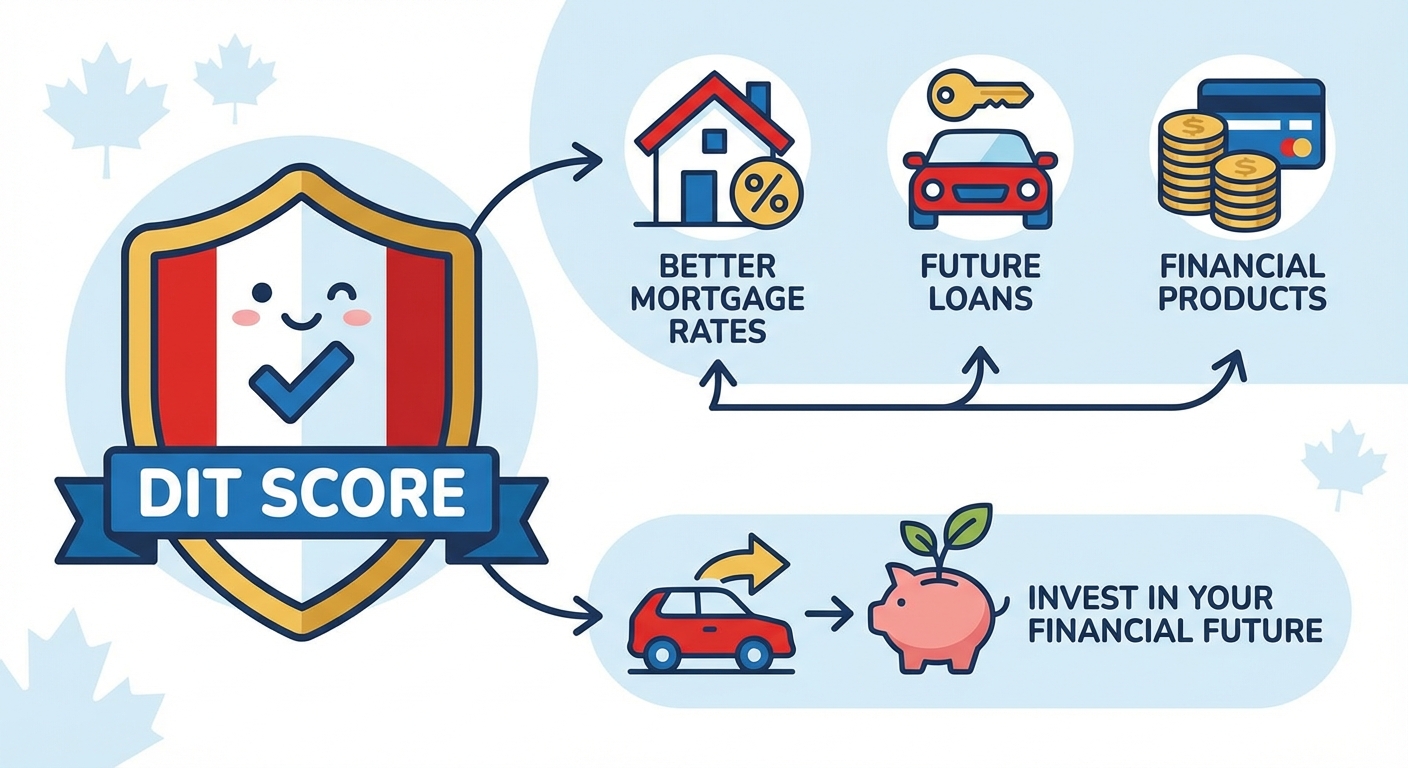
Image 2: Context - A person driving a new car, with a subtle, transparent overlay in the background depicting a rising credit score graph, symbolizing financial progress and freedom.
Monitoring Your Progress: Staying on Top of Your Credit Health
As you make those consistent car loan payments, it's crucial to actively monitor your credit health. Regularly checking your credit report and score from both Equifax and TransUnion is essential. You are entitled to a free credit report from each bureau annually. Reviewing these reports allows you to:
- Spot Errors: Correct any inaccuracies that could be negatively impacting your score.
- Track Improvements: Observe how your score is increasing due to your diligent car loan payments.
- Understand Your Profile: Gain insight into how lenders view your financial history.
Seeing your score improve is not only motivating but also empowers you to make informed financial decisions. It confirms that your strategic car loan is indeed paving the way to a brighter financial future, one responsible payment at a time.
Your Next Steps to Approval: An Alberta-Specific Action Plan
Ready to move forward? Here's a clear, actionable roadmap to secure your car loan in Alberta, even if your credit score isn't perfect:
- Self-Assessment Checklist:
- Have I gathered all necessary income and residency documents?
- Do I have a clear understanding of my current income and expenses?
- Can I comfortably afford a down payment? If not, how can I save for one?
- Have I calculated my Debt-to-Income ratio? Is it manageable?
- Am I prepared to explain any past financial challenges honestly and transparently?
- Explore All Lending Avenues: Don't limit yourself to just one type of lender.
- Start with your existing bank or credit union in Alberta, especially if you have a good relationship.
- Investigate reputable online lenders and brokers who specialize in non-prime financing.
- Visit dealerships with 'special finance' departments, but remember to compare their offers.
- Seek Pre-Approval: This is your most powerful tool. Apply for pre-approval with 2-3 different lenders to understand your borrowing capacity and get competitive rate offers.
- Negotiate Wisely: Armed with pre-approval, negotiate the vehicle price first, then discuss financing. Don't be pressured into add-ons you don't need.
- Review the Fine Print: Before signing, understand the full APR, loan term, and all fees. Ask questions until you're completely comfortable.
What if initial applications are denied? Don't despair. Ask the lender why you were denied. This feedback is invaluable. It might reveal areas to improve, such as reducing existing debt, saving a larger down payment, or exploring a co-signer. Consider starting with a less expensive used vehicle to build credit, then trading up later. Every step you take is progress towards your goal of car ownership and a stronger financial future.
Frequently Asked Questions (FAQ) About Alberta Car Loans
Can I get a car loan in Alberta with no credit history?
Yes, it is possible to get a car loan in Alberta with no credit history, often referred to as "no credit" loans. Lenders will typically focus more heavily on your stable income, employment history, the size of your down payment, and your Debt-to-Income (DTI) ratio. Having a co-signer can also significantly improve your chances.
What's the difference between a secured and unsecured car loan in Alberta?
A secured car loan uses the vehicle itself (or another asset) as collateral, meaning the lender can repossess it if you default. Unsecured car loans, which are rare for vehicles, rely solely on your creditworthiness and do not require collateral. Most car loans are secured loans.
How much of a down payment do I need for a car loan in Alberta?
While there's no strict minimum, a down payment of 10-20% of the vehicle's purchase price is generally recommended. A larger down payment reduces the lender's risk, can lead to better interest rates, and makes approval more likely, especially if you have challenged credit.
Will applying for multiple car loans hurt my credit score in Alberta?
Applying for multiple car loans within a short period (typically 14-45 days, depending on the credit bureau) is often treated as a single inquiry by credit scoring models. This is because the system recognizes you're rate shopping for a single loan. However, spreading applications out over a longer period can result in multiple hard inquiries, which can temporarily lower your score.
What if I have a bankruptcy or consumer proposal in Alberta?
Getting a car loan after a bankruptcy or consumer proposal is challenging but not impossible. Lenders will want to see that the bankruptcy or proposal has been discharged, and that you've re-established some financial stability since then. A significant down payment, stable employment, and explaining your financial recovery plan will be crucial. Interest rates will likely be higher.
Are there government programs or grants for car loans in Alberta?
Generally, there are no specific government programs or grants in Alberta specifically for car loans. However, some provincial programs or disability benefits (like AISH) might be considered as stable income by lenders. For more information on financing a vehicle with AISH or disability, you can refer to Approval Secrets: Financing a Vehicle on AISH or Disability in Alberta.