Posts tagged with: Car Loan Ei

Skip Bank Financing: Private Vehicle Purchase Alte...
The bank said no? Discover powerful alternatives to bank financing for your private vehicle purchase...

Broken Work Vehicle Financing | Same Day Cash in C...
Your broken work vehicle in Calgary is your ticket to same-day financing. Stop losing income. We tur...

Finance a Delivery Van, No Down Payment | 2026 ON...
Struggling to finance a cargo van for delivery work with no down payment? Our 2026 guide for Canadia...
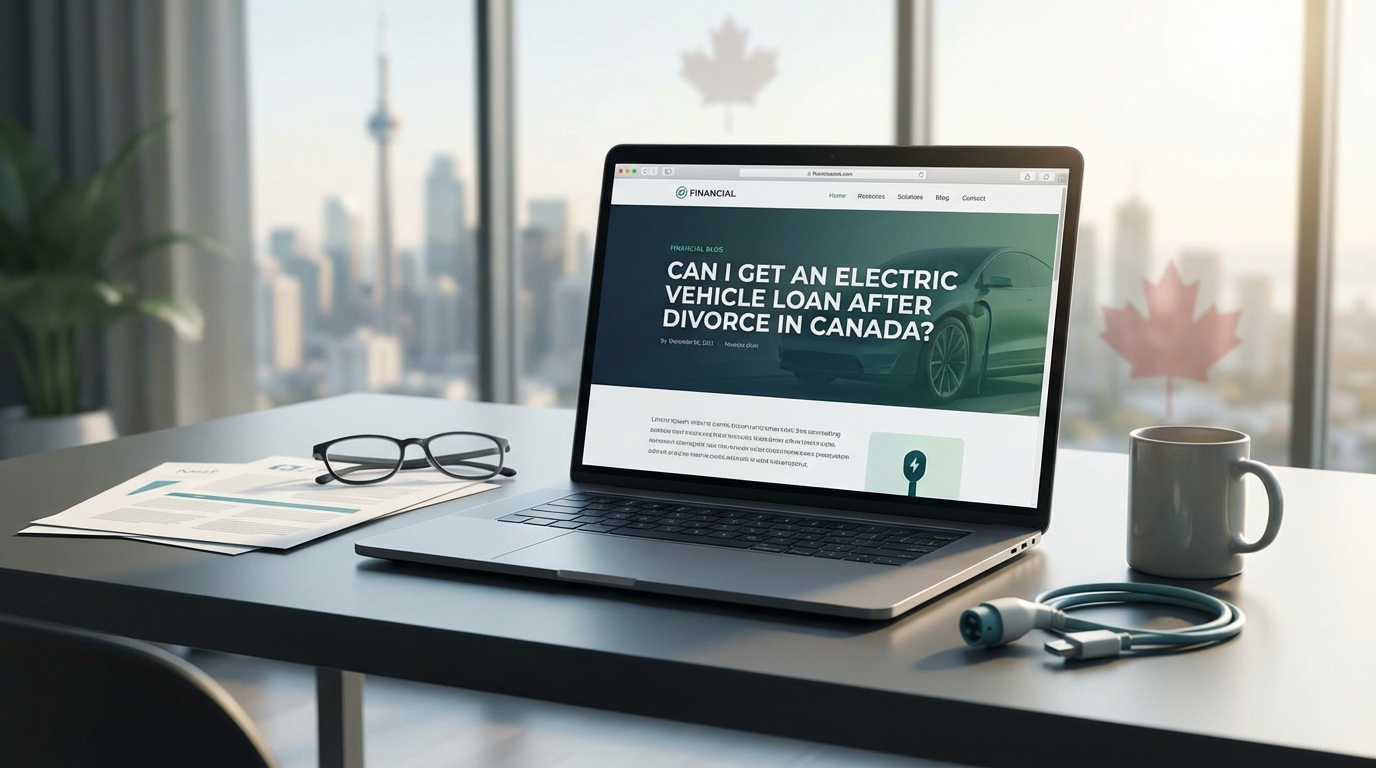
EV Loan After Divorce? Your 2026 Approval Guide
Finalized your divorce? Getting an electric vehicle loan is your next step forward. Our 2026 guide s...

Upside-Down Car Loan? How to Refinance Without a T...
Stuck in an upside-down car loan and think trading in is the only escape? Wrong. Discover how to ref...

Part-Time Student Car Loan 2026: No Down Payment C...
Think a part-time student in Canada can't get a car loan with no down payment? We make it happen in...

Bad Credit Early Lease Buyout Options 2026 | Ontar...
Don't let bad credit trap you! Discover early car lease buyout options in Canada for 2026. Get your...

Vehicle Loan for Car Without Safety Inspection: Ge...
Worried you can't get a vehicle loan for a car without a safety inspection? SkipCarDealer.com specia...

Quebec Bad Credit Car Title Loans: Legit Cash for...
Is a vehicle title loan legitimate in Quebec if you have bad credit? Yes! Unlock fast, legal cash us...

Self-Employed EV Financing Ontario: Low Rates 2026
Self-employed in Ontario? Get surprisingly low interest rates on EV financing in 2026. Skip the trad...

Car Finance After Medical Leave Ontario | 2026 Sol...
Recovering from prolonged medical leave in Ontario? Don't let financial setbacks block your next car...

Blank Slate Credit? Buy Your Car Canada 2026
Buying a car with no established credit in Canada can feel impossible. SkipCarDealer.com turns your...
Car Loan & EI: How to Manage Payments When Your Income Changes
Finding yourself on Employment Insurance (EI) in Canada can bring a lot of questions, especially when you have ongoing financial commitments like a car loan. It's a common worry: how do you keep up with payments when your income suddenly shifts? The good news is, you have options and steps you can take to manage your situation effectively without undue stress.
Understanding EI and Your Car Loan
First, let's be clear: your car loan payments don't automatically pause or adjust just because you're receiving EI benefits. Your loan agreement is a legally binding contract, and the payments are still due as scheduled. While EI provides crucial income replacement, it's typically a percentage of your regular earnings, meaning your take-home pay will likely be less than what you're used to.
This reduction in income is why it's so important to be proactive and understand your options rather than waiting for issues to arise.
Your First Step: Talk to Your Lender - Immediately
This is perhaps the most critical piece of advice. As soon as you know you'll be going on EI, or even if you're already receiving benefits and are starting to feel the pinch, contact your car loan provider. Do not wait until you miss a payment.
Lenders are businesses, but they also understand that life happens. They would much rather work with you to find a solution than deal with a defaulted loan or, worse, a vehicle repossession. Open and honest communication is key.
What Your Lender Might Offer
When you speak with your lender, explain your situation clearly. They may have specific programs or solutions for customers experiencing temporary financial hardship. These could include:
- Payment Deferral (or Postponement): This allows you to skip one or more payments, with those payments usually added to the end of your loan term. It provides immediate relief but remember that interest typically continues to accrue during the deferral period, meaning the total cost of your loan might slightly increase.
- Temporary Payment Reduction: In some cases, a lender might agree to temporarily reduce your monthly payment amount. This is less common than deferral but worth asking about.
- Interest-Only Payments: For a short period, you might be allowed to pay only the interest portion of your loan, reducing your monthly outlay significantly, but not reducing the principal.
Always ask about the full implications of any option, including how it affects your interest, the total amount owing, and your credit report. Get any agreed-upon changes in writing.
Budgeting Wisely While on EI
Regardless of what arrangements you make with your lender, creating a strict budget while on EI is essential. Your reduced income means every dollar counts.
- Review All Expenses: Go through your bank statements and credit card bills. Identify where your money is going.
- Cut Non-Essentials: Temporarily reduce or eliminate discretionary spending like dining out, entertainment, subscriptions you don't use, and impulse purchases.
- Prioritize Needs: Focus on essential expenses first: housing, food, utilities, and your car loan (as it's often crucial for getting to work or appointments).
- Understand Your EI Benefits: Know exactly how much you'll be receiving and for how long. This helps you plan.
Protecting Your Credit Score
Your payment history is a major factor in your credit score. Missing car loan payments can severely damage your credit, making it harder to borrow money in the future for things like a mortgage or another car. This is another reason why proactive communication with your lender is so important.
If you arrange a deferral or other payment adjustment with your lender, ensure they report it correctly to the credit bureaus as an "arranged payment" rather than a "missed payment." This helps protect your credit rating during a challenging time.
Considering Alternatives (If Absolutely Necessary)
If, after exploring all options with your lender and adjusting your budget, you still find yourself unable to make your car loan payments, it might be time to consider more drastic steps. These should always be last resorts:
- Selling the Vehicle: If your car's market value is more than what you owe on the loan, selling it could allow you to pay off the debt and free yourself from payments. Be aware of negative equity (owing more than the car is worth), which makes this option trickier.
- Voluntary Repossession: While it sounds extreme, voluntarily returning the car to the lender is an option if you absolutely cannot make payments. However, this will still negatively impact your credit, and you may still be responsible for any deficiency balance (the difference between what you owe and what the car sells for at auction, plus fees).
These are serious decisions with significant credit implications, so explore every other avenue first.
The Bottom Line
Having a car loan while on EI can be stressful, but it's a manageable situation with the right approach. Be proactive, communicate openly with your lender, and create a realistic budget. By taking these steps, you can navigate this temporary income change without jeopardizing your transportation or your financial future.
