Your Brand New Business? That's Your Car Loan Resume. Get Approved, Manitoba.
Table of Contents
- Key Takeaways
- From Startup Dream to Driving Reality: Crafting Your Car Loan Resume as a Newly Self-Employed Canadian
- The Entrepreneurial Hurdle: Why Traditional Lenders Hesitate (and How to Overcome It)
- Dispelling the Myth: Yes, You Can Get Approved (Even in Manitoba and Beyond!)
- Pro Tip 1: Start Tracking Everything from Day One
- The Cornerstone of Approval: Unpacking Your Essential Documentation Toolkit for Newly Self-Employed
- Proof of Income: Beyond the Pay Stub – What Lenders Really Want to See
- Personal Financial Health: Your Supporting Role in the Application
- Business Legitimacy: Proving Your Enterprise is Real
- Crafting Your Narrative: Presenting Your Documents Effectively
- Pro Tip 2: Don't Just Show Gross Income; Explain Your Net
- Beyond the Paperwork: Building a Robust Financial Profile for Self-Employed Car Loans
- The Power of Consistency: Demonstrating Income Stability
- Down Payments: Your Golden Ticket to Lower Risk (and Better Rates)
- The Co-Signer Advantage: When an Extra Hand Helps
- Pro Tip 3: Aim for a Consistent Savings Pattern
- Navigating the Lender Landscape: Who Will Approve Your Entrepreneurial Drive?
- Traditional Banks vs. Dealership Finance Departments: A Head-to-Head Comparison
- The Rise of Specialized Lenders: Your Best Bet for Unique Situations
- Understanding Pre-Approval: Why It Matters for Self-Employed Buyers
- Pro Tip 4: Don't Be Afraid to Apply at Both (Strategically)
- The Financial Realities: Rates, Terms, and Unveiling Hidden Costs for Self-Employed Loans
- Decoding Interest Rates: What Self-Employed Can Expect
- The True Cost of Ownership: Beyond the Monthly Payment
- Loan Terms: Finding the Sweet Spot Between Affordability and Total Cost
- Pro Tip 5: Always Ask for the Full Amortization Schedule
- Strategic Vehicle Selection: How Your Car Choice Impacts Approval Odds and Your Business
- New vs. Used: The Self-Employed Perspective on Affordability and Approval
- The 'Business Vehicle' Angle: Tax Implications and Lender Perceptions
- What Car Brands or Models are 'Easier' to Finance? (Hint: It's About Value and Demand)
- From Winnipeg to Vancouver: Regional Nuances and Local Support for Self-Employed Car Buyers
- Manitoba's Unique Landscape: Resources and Considerations for Winnipeg & Beyond
- Across Canada: Support Systems in Ontario (Toronto, Ottawa), Alberta (Calgary, Edmonton), and British Columbia (Vancouver)
- Pro Tip 6: Seek Out Local Financial Advisors
- Your Next Steps to Approval: Driving Your Business Forward with Confidence
- Consolidating Your 'Car Loan Resume': A Final Checklist for Success
- The Application Process: What to Expect from Submission to Signing
- Building for the Future: Improving Your Financial Standing Post-Approval
- FAQ: Demystifying Self-Employed Car Loans in Canada
Key Takeaways
- It's Possible, But Different: Getting a car loan as newly self-employed is achievable across Canada, from British Columbia to Nova Scotia, but requires a strategic approach beyond traditional employment documents.
- Your 'Car Loan Resume': Your business's short history, financial consistency, and personal credit health are your primary 'resume' for lenders. Focus on demonstrating stability, not just high revenue.
- Documentation is King: Meticulously gather 6-12 months of bank statements, tax documents (even personal NOAs), and proof of business legitimacy. These are your most powerful tools.
- Down Payment & Co-Signers: A significant down payment or a strong co-signer can dramatically improve your approval odds and potentially lower interest rates, especially in provinces like Ontario and Alberta.
- Explore All Lender Types: Don't limit yourself to traditional banks. Dealership finance departments and specialized lenders are often more equipped to handle the nuances of self-employed income.
- Know Your Numbers: Understand not just the monthly payment, but the total cost of the loan, including interest, fees, and potential hidden costs. Be prepared to discuss your net income, not just gross.
From Startup Dream to Driving Reality: Crafting Your Car Loan Resume as a Newly Self-Employed Canadian
You've taken the leap. You've launched your own business, poured your passion into it, and now you're navigating the exciting, sometimes challenging, world of self-employment in Canada. But what happens when that entrepreneurial drive needs a vehicle to match? When you're ready to upgrade your ride, expand your fleet, or simply need reliable transportation for your burgeoning business, the question of getting a car loan as a newly self-employed individual can feel daunting.
At SkipCarDealer.com, we understand that your journey is unique. Your work ethic, your ambition, and your vision are undeniable, but traditional lenders often struggle to see beyond the conventional pay stub. That's where your 'Car Loan Resume' comes into play. It's not just about proving you have income; it's about demonstrating stability, potential, and financial responsibility in a language lenders understand, even if your business is still in its early stages.
The Entrepreneurial Hurdle: Why Traditional Lenders Hesitate (and How to Overcome It)
Traditional lenders, such as major banks, are built on a model of predictable income. They like to see consistent bi-weekly paycheques, T4 slips, and years of employment history with the same company. When you're self-employed, especially when you've just started, that stable, predictable income stream can appear erratic from an outsider's perspective. There's a perceived higher risk of income fluctuation, and without a long history, it's harder for them to gauge your long-term viability.
This isn't to say they won't lend to you; it simply means their criteria are more stringent. They want to mitigate risk, and a brand new business often lacks the extensive financial track record that provides them comfort. This perception of risk is the primary hurdle for newly self-employed individuals seeking car loans across Canada. However, understanding this challenge is the first step to overcoming it. By meticulously preparing your "Car Loan Resume," you're actively addressing their concerns and presenting a compelling case for your financial stability.
Dispelling the Myth: Yes, You Can Get Approved (Even in Manitoba and Beyond!)
Let's be clear: the idea that self-employed individuals, especially those new to entrepreneurship, can't get car loans is a myth. It's absolutely possible, and entrepreneurs across Canada — from the bustling streets of Toronto and Vancouver to the thriving communities in Calgary, Edmonton, and right here in Manitoba — secure vehicle financing every day. The key isn't about having a traditional job; it's about demonstrating financial health and consistency through alternative means.
Whether you're a freelance graphic designer in Montreal, a contractor in Halifax, a small business owner in Winnipeg, or a consultant in Victoria, the principles remain the same. Lenders are looking for proof that you can reliably make your monthly payments. While the path might be slightly different than for a salaried employee, it's a well-trodden one for many Canadians who have chosen the exciting, independent route of self-employment. With the right preparation and approach, you can turn your startup dream into a driving reality.
Pro Tip 1: Start Tracking Everything from Day One
Even before you think about applying for a car loan, establish meticulous record-keeping practices. Use accounting software, keep every receipt, log all income, and separate your business and personal finances. The more organized and detailed your financial records are, the easier it will be to compile your 'Car Loan Resume' when the time comes. This discipline shows foresight and professionalism, which lenders appreciate.
The Cornerstone of Approval: Unpacking Your Essential Documentation Toolkit for Newly Self-Employed
When you're self-employed, your documents are your voice. They tell the story of your business, your income, and your financial reliability. Forget the single pay stub; you'll be building a comprehensive picture of your financial health. This section is your guide to assembling that crucial toolkit, addressing the core question: what documents do I need for a car loan if I just started self-employment in Canada?
Proof of Income: Beyond the Pay Stub – What Lenders Really Want to See
For self-employed individuals, income proof goes far beyond a simple pay stub. Lenders need to see a pattern, a flow, and a clear distinction between your business's gross revenue and your personal net income. Here's what they'll be scrutinizing:
- Business Bank Statements: Aim for 6 to 12 months of statements. Lenders will be looking for consistent deposits and a healthy cash flow. They want to see that money is regularly coming into your business account. It's vital to remember the difference between gross revenue (all money coming in) and net income (what you actually take home after business expenses). Lenders will base your affordability on your net income, as that's what's available to pay your personal debts.
- Personal Bank Statements: These provide insight into your personal spending habits, ensuring you manage your money responsibly and have sufficient funds to cover your living expenses in addition to a car payment. Consistent savings or a healthy buffer can be very reassuring.
-
Tax Returns & Notice of Assessment (NOA): These are arguably the most crucial documents. Your personal Notice of Assessment (NOA) from the Canada Revenue Agency (CRA) confirms your reported income and tax compliance. For self-employed individuals, the T2125 Statement of Business or Professional Activities, filed with your personal income tax return, is paramount. This form details your business income and expenses, clearly showing your net self-employment income.
Scenarios for Less Than One Full Year of Self-Employment:
- If you have less than one full year of self-employment, you might not have a complete T2125 for a full tax year. In this case, lenders often look for a combination of your most recent NOA (even if it shows previous employment income), along with several months (at least 6, ideally 12) of strong business bank statements and comprehensive business records.
- Some specialized lenders may consider a partial-year T2125 if it's available, but the longer the documented history, the better. Be prepared to explain the context of your business's growth and financial projections.
- Invoices, Contracts, & Client Agreements: Especially important for freelancers, contractors, or project-based businesses. These documents provide concrete evidence of ongoing work, future income potential, and established client relationships. A signed contract for a significant upcoming project can speak volumes about your future earnings.
For a deeper dive into how your bank statements can serve as powerful income proof, consider reading our article on Self-Employed? Your Bank Statement is Our 'Income Proof'. It offers additional strategies for presenting your financial activity effectively.
Personal Financial Health: Your Supporting Role in the Application
While your business income is critical, your personal financial health acts as a powerful supporting character in your car loan application. Lenders want to ensure you're a responsible borrower overall.
-
Credit Report & Score: Your credit score (typically from Equifax or TransUnion in Canada) is a three-digit number that summarizes your creditworthiness. It reflects your history of borrowing and repaying debt. A strong credit score demonstrates reliability. If you're newly self-employed, your personal credit history from before your business started is still very relevant.
Strategies for Improving a New or Thin Credit File:
- If you have a limited credit history, consider getting a secured credit card or a small credit-builder loan to establish a positive payment track record.
- Ensure all existing bills (utilities, phone, rent) are paid on time, as consistent payments, even if not directly reported to credit bureaus, demonstrate reliability.
- Proof of Residency: Lenders need to verify where you live. This can include recent utility bills (electricity, gas, internet), a lease agreement, mortgage statements, or a valid government-issued driver's license showing your current address. For example, a valid Manitoba Driver's License is often sufficient.
- Personal Identification: Always have at least two pieces of valid government-issued photo identification ready. This could include your driver's license, passport, or provincial health card (though some provinces restrict its use as ID).
- Existing Debt Obligations: Lenders will review statements for any other loans (student loans, personal loans), credit cards, lines of credit, or mortgages you currently hold. This is to calculate your debt-to-income (DTI) ratio, which is a key indicator of your capacity to take on new debt. A lower DTI generally means you have more disposable income for new payments.
Business Legitimacy: Proving Your Enterprise is Real
Your business needs to be more than just an idea; it needs to be a verifiable entity. These documents confirm your business's legal standing and existence.
- Business Registration Documents: Depending on your business structure and province, this could include articles of incorporation if you're incorporated, a business license from your municipality, or provincial registration documents (e.g., for sole proprietorships or partnerships in Ontario, Quebec, or British Columbia). If you collect GST/HST, your GST/HST number is also a strong indicator of an active business.
- Professional Certifications/Licenses: If your self-employment requires specific professional qualifications (e.g., a real estate agent's license in Alberta, a tradesperson's certification in Nova Scotia, or a lawyer's bar admission), these documents lend credibility to your business and income source.
- Business Plan (Optional but Recommended): For very new businesses, especially those without a full year of financial history, a well-structured business plan can be a powerful tool. It demonstrates your foresight, understanding of your market, financial projections, and how you plan to achieve stability and growth. This shows lenders you've done your homework and aren't just winging it.
Crafting Your Narrative: Presenting Your Documents Effectively
Having all the documents is one thing; presenting them in a clear, compelling way is another. Your presentation can make a significant difference in how a lender perceives your application.
- Organization is Key: Whether you prefer digital files or a physical binder, ensure everything is neatly categorized and clearly labeled. Create distinct sections for income proof, personal ID, business legitimacy, and so on. A well-organized submission signals professionalism and attention to detail.
- Be Proactive with Explanations: If there are any gaps in your income history, recent significant expenses, or anything that might look unusual, address it upfront with a brief, clear explanation. Transparency builds trust. For instance, if you had a slow month due to a major project completion and are now on retainer, explain that.
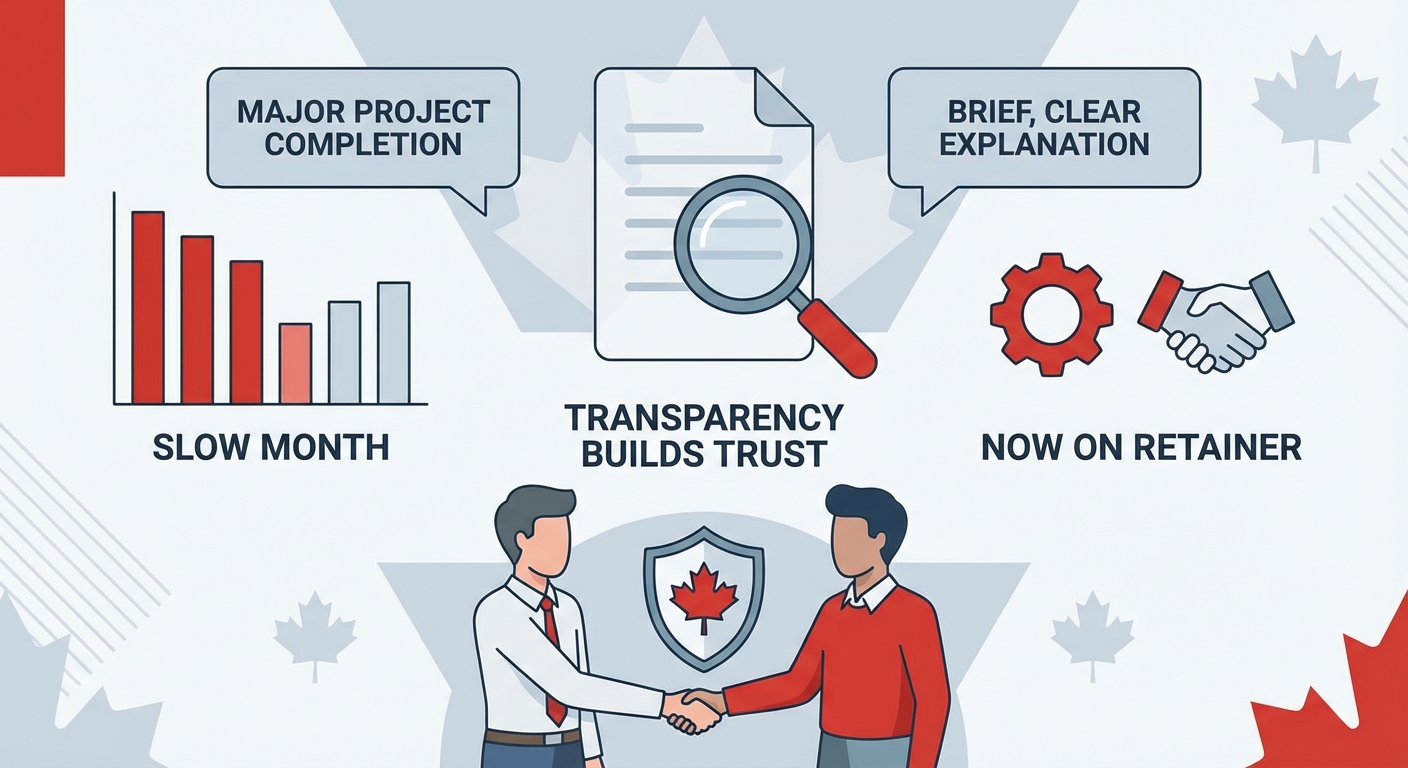
Imagine a visually organized binder or digital folder titled 'Car Loan Application - [Your Business Name]' with various document types (bank statements, tax forms, invoices) clearly visible. This level of organization speaks volumes before the lender even reads a word.
Pro Tip 2: Don't Just Show Gross Income; Explain Your Net
Lenders are interested in your ability to make loan payments from your disposable income. This means your net income — what you actually take home after all legitimate business expenses — is far more important than your gross revenue. Be prepared to clearly delineate your business expenses and present your true take-home pay. If you have significant write-offs that reduce your taxable income but don't impact your actual cash flow, be ready to explain this to the lender. Some specialized lenders, like SkipCarDealer.com, are adept at understanding these nuances.
Beyond the Paperwork: Building a Robust Financial Profile for Self-Employed Car Loans
While documentation forms the backbone of your application, there are additional strategies you can employ to build an even stronger financial profile. These elements demonstrate responsibility and reduce perceived risk, making you a more attractive borrower.
The Power of Consistency: Demonstrating Income Stability
Self-employment often comes with income fluctuations, which can make lenders nervous. Your goal is to show a pattern of consistency and an ability to manage these variations. This isn't about having the exact same income every month, but about demonstrating a reliable average over time.
- Longer History, Better Odds: The longer you've been self-employed, with consistent income, the stronger your application. Even if you're "newly" self-employed, showing 6-12 months of consistent activity is far better than 1-2 months.
- Multiple Income Streams: If you have diverse clients or several income streams, highlight this. It shows resilience and reduces reliance on a single source, which is a big plus for lenders.
- Forecasts and Backlogs: If your work is project-based, provide a forecast of upcoming projects or a backlog of confirmed work. This helps lenders visualize your future income.
Down Payments: Your Golden Ticket to Lower Risk (and Better Rates)
A significant down payment is one of the most powerful tools in a self-employed applicant's arsenal. It immediately reduces the lender's risk and can open doors to better terms and interest rates.
- Reduced Loan Amount: A larger down payment means you're borrowing less money, which directly lowers your monthly payments and the total interest you'll pay over the life of the loan.
- Demonstrates Commitment & Savings: Putting down a substantial amount shows lenders that you're committed to the purchase and have the financial discipline to save. This is a strong indicator of financial responsibility.
- Improved Approval Odds: For newly self-employed individuals, a down payment can be the difference between approval and rejection, especially if your income history is short or your credit score is still building. Many lenders will look more favourably upon an applicant who has skin in the game.
The Co-Signer Advantage: When an Extra Hand Helps
If you're finding it challenging to get approved on your own, or if you want to secure a better interest rate, a co-signer can be a game-changer. A co-signer is someone with a strong credit history and stable income who agrees to be equally responsible for the loan if you default.
- Boosted Creditworthiness: A co-signer's strong credit profile essentially "lends" their good credit to your application, significantly improving your chances of approval.
- Potentially Lower Interest Rates: With a co-signer, lenders perceive less risk, which can translate into a lower interest rate, saving you money over the life of the loan.
- Considerations: It's crucial that both you and your co-signer understand the full implications. If you miss payments, it impacts both your credit scores, and the co-signer is legally obligated to repay the debt. Choose someone you trust implicitly and who understands the commitment.
Pro Tip 3: Aim for a Consistent Savings Pattern
Beyond a down payment, demonstrating a consistent savings pattern in your personal bank accounts, even if it's a modest amount each month, can impress lenders. It shows financial discipline and an ability to manage your money beyond just paying bills. This habit reflects responsible money management, which is a key trait lenders seek.
Navigating the Lender Landscape: Who Will Approve Your Entrepreneurial Drive?
Not all lenders are created equal, especially when it comes to self-employed applicants. Understanding your options is vital to finding the right fit and securing the best possible terms for your car loan.
Traditional Banks vs. Dealership Finance Departments: A Head-to-Head Comparison
When seeking a car loan, your first thought might be your bank. However, car dealerships, like SkipCarDealer.com, often have dedicated finance departments that work with a wider range of lenders, including those more sympathetic to self-employed income structures.
| Feature | Traditional Banks (e.g., RBC, TD, BMO) | Dealership Finance Departments (e.g., SkipCarDealer.com) |
|---|---|---|
| Lender Criteria | Often more rigid, favouring long-term, stable T4 employment. May require extensive self-employment history (2+ years) and high credit scores. | More flexible, often working with a network of lenders (banks, credit unions, specialized lenders) who understand diverse income types, including new self-employment. |
| Application Process | Can be slower, requiring multiple appointments and extensive documentation submitted by the applicant directly. | Streamlined, one-stop shop. The finance manager handles the application, communicates with multiple lenders, and bundles vehicle purchase with financing. |
| Product Offerings | Primarily direct loans. May not offer specific manufacturer incentives or captive finance deals. | Access to a broader range of loan products, including manufacturer-subsidized rates, leasing options, and programs tailored for various credit situations. |
| Approval Odds for Self-Employed | Potentially lower, especially for newly self-employed or those with fluctuating income. | Often higher, as they have relationships with lenders who specialize in non-traditional income or credit profiles. |
| Convenience | Requires separate bank visits and potentially coordinating with the dealership. | Highly convenient, everything — vehicle selection, trade-in, financing, insurance — is handled in one location. |
| Geographic Reach | National, but local branch experience can vary. | Extensive networks across Canada, from Toronto to Calgary, Vancouver, and Halifax, offering localized expertise and connections. |
The Rise of Specialized Lenders: Your Best Bet for Unique Situations
Beyond traditional banks and dealership finance arms, there's a growing segment of specialized lenders. These institutions are often the best solution for self-employed individuals, particularly those who are new to entrepreneurship, have a limited credit history, or have faced credit challenges.
- Understanding Non-Traditional Income: Specialized lenders are more accustomed to evaluating income that doesn't fit the standard T4 format. They often have more flexible underwriting criteria and a deeper understanding of business financials.
- Tailored Solutions: They can offer loan products specifically designed for individuals with unique financial profiles, including new Canadians, those with variable income, or those rebuilding credit.
- Focus on Current Ability to Pay: While credit history matters, specialized lenders often place a greater emphasis on your current cash flow and ability to repay, making them an excellent option for strong-income, newly self-employed individuals.
If you're self-employed with less-than-perfect credit, don't let that deter you. Many options exist that might seem "impossible" through traditional channels. Our article, Your 'Impossible' Car Loan Just Got Approved. Self-Employed, Poor Credit, provides further reassurance and insights into these solutions.
Understanding Pre-Approval: Why It Matters for Self-Employed Buyers
Getting pre-approved for a car loan before you even step onto a dealership lot offers significant advantages, especially for self-employed individuals.
- Know Your Budget: Pre-approval gives you a clear understanding of how much you can afford to borrow, including your interest rate and estimated monthly payments. This helps you shop for a vehicle within your financial comfort zone.
- Negotiating Power: Walking into a dealership with a pre-approval in hand puts you in a stronger negotiating position. You're effectively a cash buyer, which can lead to better deals on the vehicle itself.
- Confidence and Clarity: For the self-employed, pre-approval removes much of the uncertainty around financing. You know you're approved, and you can focus on finding the right car without financial anxiety.
Pro Tip 4: Don't Be Afraid to Apply at Both (Strategically)
While dealerships often offer more flexibility, it can be wise to explore options from both traditional banks (if you have an established relationship) and dealership finance departments. However, be strategic. Too many hard credit inquiries in a short period can negatively impact your credit score. Aim to get pre-approved from one or two sources within a focused timeframe (e.g., 14-30 days) to minimize the impact, as credit bureaus often group multiple inquiries for the same loan type within that window as a single search.
The Financial Realities: Rates, Terms, and Unveiling Hidden Costs for Self-Employed Loans
Understanding the financial nuts and bolts of your car loan is paramount. Beyond simply getting approved, you need to know what to expect regarding interest rates, the true cost of ownership, and how different loan terms will impact your budget.
Decoding Interest Rates: What Self-Employed Can Expect
Interest rates are the cost of borrowing money, and they can vary significantly. For self-employed individuals, these rates might initially be higher than for a salaried employee with an identical credit score, primarily due to the perceived income volatility. However, several factors can influence your rate:
- Credit Score: A higher personal credit score will almost always result in a lower interest rate.
- Down Payment: A substantial down payment reduces the principal amount borrowed, which often leads to a lower interest rate because the lender's risk is lower.
- Loan Term: Shorter loan terms typically come with lower interest rates but higher monthly payments. Longer terms might have slightly higher rates but lower monthly payments.
- Vehicle Type and Age: Newer, more reliable vehicles with good resale value are generally considered less risky by lenders and can secure better rates.
- Lender Type: As discussed, specialized lenders might offer slightly higher rates for higher-risk profiles, but they make up for it with increased approval odds.
While a salaried employee with excellent credit might qualify for rates as low as 0-3% (often manufacturer-subsidized), a newly self-employed individual with a good credit score might see rates in the 4-8% range. If your credit is still building or your self-employment history is very short, rates could be higher, potentially 9% or more. The key is to shop around and compare offers.
The True Cost of Ownership: Beyond the Monthly Payment
Your monthly car loan payment is just one piece of the puzzle. To truly understand the financial commitment, you need to account for the "true cost of ownership."
- Insurance: This is a major factor. If you plan to use your vehicle for business purposes (e.g., deliveries, client visits), you may require commercial or business-use insurance, which is typically more expensive than personal-use insurance. Rates vary significantly by province and city (e.g., insurance in Winnipeg can differ greatly from Toronto or Vancouver).
- Maintenance and Repairs: All vehicles require regular maintenance (oil changes, tire rotations) and will eventually need repairs. Factor in an annual budget for these costs. New vehicles often come with warranties, but used vehicles may not.
- Fuel Costs: With fluctuating gas prices, fuel can be a significant ongoing expense, especially if your business requires a lot of driving. Consider the vehicle's fuel efficiency.
- Registration and Licensing Fees: Annual vehicle registration and plate renewal fees are mandatory in all provinces (e.g., Manitoba Public Insurance fees, Ontario license plate renewal).
- Depreciation: While not an out-of-pocket expense, depreciation is the loss of your vehicle's value over time. It's an important consideration if you plan to trade in or sell the car in the future.
Loan Terms: Finding the Sweet Spot Between Affordability and Total Cost
Car loan terms typically range from 36 months (3 years) to 84 months (7 years), and sometimes even longer. The term you choose has a direct impact on both your monthly payment and the total amount of interest you'll pay.
- Shorter Terms (e.g., 36-48 months): These result in higher monthly payments but significantly less interest paid over the life of the loan. You pay off the vehicle faster, building equity more quickly. This is often the most financially savvy choice if you can afford the higher payments.
- Longer Terms (e.g., 72-84 months): These offer lower monthly payments, making the vehicle more "affordable" on a month-to-month basis. However, you'll pay substantially more in interest over the life of the loan. This can be a good option if cash flow is tight, but be aware of the increased total cost. For self-employed individuals with fluctuating income, a slightly longer term might provide a necessary buffer, but always weigh the long-term interest cost.
Pro Tip 5: Always Ask for the Full Amortization Schedule
Before signing any loan agreement, request a full amortization schedule. This document details every single payment you will make, showing how much goes towards the principal and how much goes towards interest for each payment. It's a transparent way to understand the true cost of your loan and ensure there are no hidden surprises. Review it carefully and ask questions if anything is unclear.
Strategic Vehicle Selection: How Your Car Choice Impacts Approval Odds and Your Business
The type of vehicle you choose isn't just a matter of personal preference; it can directly influence your loan approval odds, especially as a newly self-employed individual. It also has significant practical and financial implications for your business.
New vs. Used: The Self-Employed Perspective on Affordability and Approval
The decision between a new and a used vehicle can be particularly impactful for self-employed applicants.
- New Vehicles: While appealing, new vehicles generally come with higher price tags, higher insurance costs, and rapid depreciation in the first few years. For newly self-employed individuals, the larger loan amount and associated risk might make approval more challenging, or result in higher interest rates. However, new vehicles often come with manufacturer warranties, which can save on unexpected repair costs.
- Used Vehicles: Often present an easier path to approval. They are more affordable, depreciate slower after the initial drop, and generally have lower insurance costs. A reliable, well-maintained used car can be an excellent choice for a new business owner, offering practical transportation without the burden of a large new car loan. Lenders may also view a smaller loan amount for a used vehicle as lower risk.
Prioritizing affordability and practicality, especially in the early stages of your business, can greatly improve your chances of securing a car loan.
The 'Business Vehicle' Angle: Tax Implications and Lender Perceptions
If you intend to use your car primarily for business, there are unique considerations.
- Tax Benefits: In Canada, you can often deduct eligible business expenses related to your vehicle, such as fuel, insurance, maintenance, and a portion of the vehicle's capital cost (depreciation) or lease payments. Keeping meticulous records of business kilometres driven is essential for these deductions. Consult with an accountant to understand the specific tax implications for your business in your province (e.g., Ontario, Quebec, British Columbia).
- Lender Perceptions: Some lenders might view a dedicated "business vehicle" differently. They may inquire about the nature of your business and how the vehicle contributes to your income. In some cases, if the vehicle is primarily for heavy commercial use, they might suggest a commercial loan product rather than a personal car loan, which can have different terms and requirements. Be upfront about your intended use.
- Commercial Insurance: As mentioned earlier, business use almost always requires a different type of insurance policy, which needs to be factored into your budget.
What Car Brands or Models are 'Easier' to Finance? (Hint: It's About Value and Demand)
While there's no official list of "easy to finance cars," lenders generally prefer models that hold their value well and are in high demand. This is because if you default on the loan, the lender needs to be able to recover their investment by reselling the vehicle.
- Reliable and Popular Brands: Brands known for reliability, good fuel economy, and strong resale value (e.g., Honda Civic, Toyota Corolla, Mazda3, Hyundai Elantra, or popular small SUVs like the Honda CR-V or Toyota RAV4) are often easier to finance. They represent a lower risk for the lender.
- Avoid Niche or Luxury Vehicles (Initially): While an aspirational vehicle might be on your wish list, highly specialized, very expensive, or niche market vehicles can be harder to finance, especially for new self-employed individuals. Their resale value might be less predictable, or the loan amount might be deemed too high given your income history.
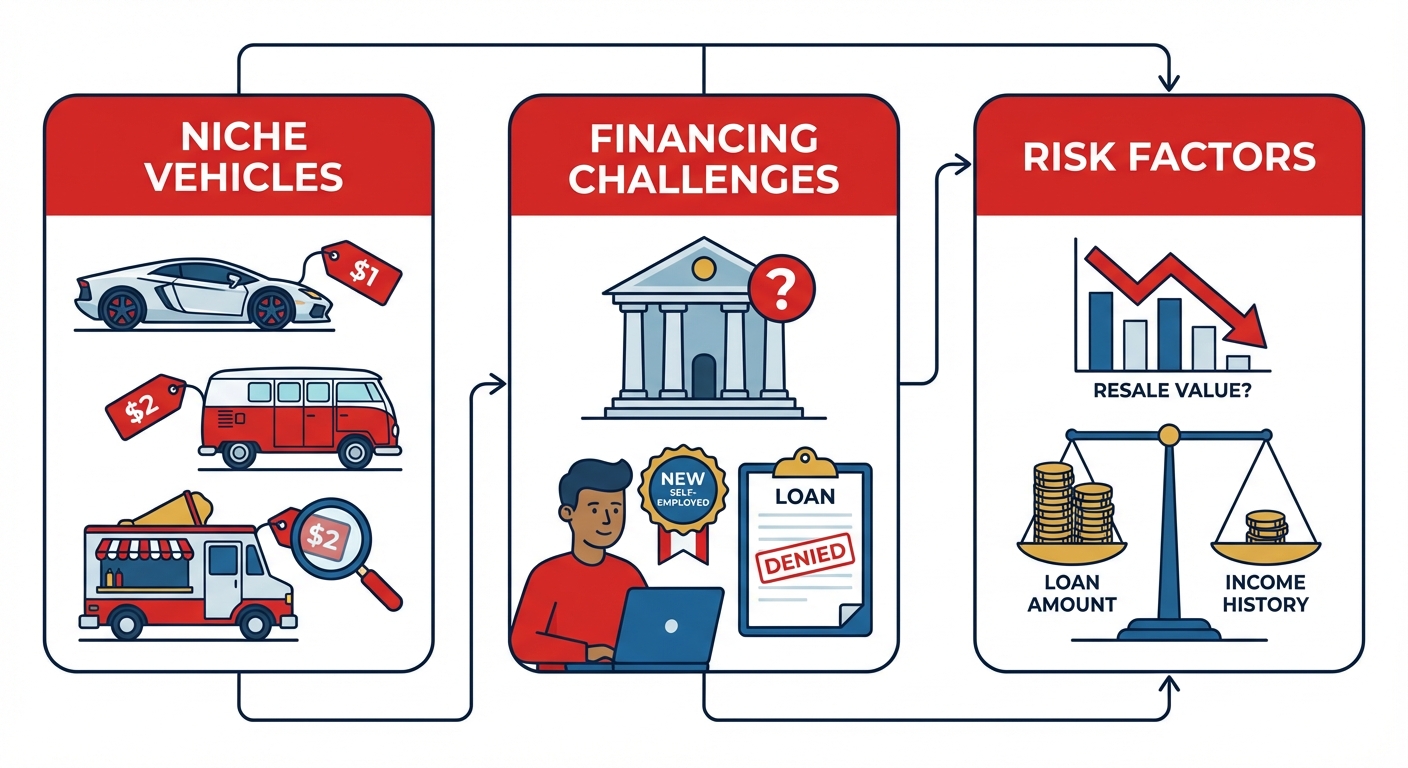
Envision a diverse selection of used cars on a dealership lot, some practical sedans or small SUVs, and perhaps one slightly more aspirational but still affordable model, implying a range of choices for self-employed buyers seeking value and reliability.
From Winnipeg to Vancouver: Regional Nuances and Local Support for Self-Employed Car Buyers
While the core principles of self-employed car loan approval apply across Canada, certain regional nuances and local support systems can be beneficial. Understanding these can help you tailor your approach.
Manitoba's Unique Landscape: Resources and Considerations for Winnipeg & Beyond
Manitoba, with its resilient entrepreneurial spirit, offers specific considerations for self-employed individuals seeking car loans, particularly in urban centres like Winnipeg and Brandon.
- Manitoba Public Insurance (MPI): Auto insurance and vehicle registration are managed by MPI. Be aware of their specific requirements for business-use vehicles, as this can affect your overall cost.
- Local Dealerships and Lenders: Dealerships in Winnipeg are often well-versed in working with self-employed applicants from various sectors, from agriculture to small retail and services. They have established relationships with a network of lenders familiar with the local economy.
- Business Development Centres: Organizations like the World Trade Centre Winnipeg or local Chambers of Commerce can offer advice and connections that might indirectly help strengthen your loan application by providing business support.
Focusing on local resources and understanding provincial regulations can streamline your application process in Manitoba.
Across Canada: Support Systems in Ontario (Toronto, Ottawa), Alberta (Calgary, Edmonton), and British Columbia (Vancouver)
The advice provided here is universally applicable, but specific cities and provinces offer their own unique ecosystems for self-employed individuals.
- Ontario (Toronto, Ottawa): As Canada's most populous province and home to major financial hubs, Ontario has a vast array of lenders, from large banks in downtown Toronto to specialized finance companies in suburban communities around Ottawa. The sheer volume of options means more competition, which can be beneficial for borrowers.
- Alberta (Calgary, Edmonton): With a strong entrepreneurial culture, particularly in resource-based industries and tech, Alberta's lenders and dealerships are experienced in assessing diverse income streams. Cities like Calgary and Edmonton have robust support systems for small businesses, which can indirectly aid in presenting a stronger case to lenders.
- British Columbia (Vancouver): The vibrant economy of British Columbia, especially around Vancouver, nurtures a wide range of self-employed professionals. Dealerships and lenders in BC are accustomed to working with freelancers, contractors, and small business owners, often having specific programs or expertise tailored to the region's dynamic market.
Pro Tip 6: Seek Out Local Financial Advisors
Connecting with a local financial advisor or business development center in your province (e.g., in Winnipeg, Toronto, or Vancouver) can provide invaluable insights. They can offer advice on structuring your business finances, maximizing tax deductions, and understanding regional lending practices, all of which can indirectly strengthen your car loan application.
Your Next Steps to Approval: Driving Your Business Forward with Confidence
Securing a car loan as a newly self-employed individual is a strategic process, not a sprint. By meticulously preparing your 'Car Loan Resume' and understanding the lender landscape, you're well on your way to driving off in the vehicle that supports your entrepreneurial journey.
Consolidating Your 'Car Loan Resume': A Final Checklist for Success
Before you submit your application, use this checklist to ensure you've covered all your bases:
- Income Documentation: 6-12 months of business and personal bank statements, most recent CRA Notice of Assessment (NOA), T2125 forms, invoices, contracts, or client agreements.
- Personal Identification: Valid government-issued photo ID (driver's license, passport).
- Proof of Residency: Utility bills, lease agreement, or mortgage statement.
- Credit Health: Have you checked your credit report? Are there any errors to dispute?
- Business Legitimacy: Business registration documents, licenses, professional certifications.
- Down Payment Ready: Is your down payment saved and accessible?
- Co-Signer Prepared (If Applicable): Have you discussed the commitment with your co-signer and gathered their necessary documents?
- Clear Narrative: Are you prepared to explain any income fluctuations or unique aspects of your business?
The Application Process: What to Expect from Submission to Signing
Once your 'Car Loan Resume' is complete, here's a general overview of the application process:
- Initial Inquiry: Contact a dealership finance department (like SkipCarDealer.com) or a bank to discuss your self-employed status and specific needs.
- Document Submission: Provide all your compiled documents. Be ready to explain your business and financial situation.
- Lender Review: The lender will assess your creditworthiness, income stability, and the overall risk. This is where your 'Car Loan Resume' truly shines.
- Approval & Offer: If approved, you'll receive a loan offer detailing the principal amount, interest rate, term, and monthly payments. Review this carefully.
- Negotiation Tips: Don't be afraid to negotiate, especially if you have multiple offers. Discuss interest rates, loan terms, and any additional fees. Ensure you understand all aspects of the agreement.
- Signing the Agreement: Once satisfied, you'll sign the final loan documents and drive away in your new (or new-to-you) vehicle!
Building for the Future: Improving Your Financial Standing Post-Approval
Getting your car loan is just the beginning. Use this opportunity to further strengthen your financial foundation:
- Make Timely Payments: This is the most critical step. Consistently making your car loan payments on time will significantly boost your credit score and history, paving the way for easier financing in the future.
- Continue Meticulous Record-Keeping: Maintain your organized financial habits. This benefits your business, your tax situation, and any future financing needs.
- Consider Early Payments: If your loan allows, making extra payments or paying off the loan early can save you a substantial amount in interest and free up cash flow sooner.
- Review and Refinance: After 12-24 months of consistent payments and a more established self-employment history, you might be eligible to refinance your car loan at a lower interest rate, further reducing your total cost.
Your entrepreneurial spirit is a powerful asset. By presenting your financial story effectively and strategically, you can secure the car loan you need to keep your business moving forward. At SkipCarDealer.com, we're here to help Canadian entrepreneurs like you turn ambition into reality, one kilometre at a time.