Alberta's Upside-Down Car? We're Flipping Your Refinance Story.
Table of Contents
- Key Takeaways: Your Fast-Track Guide to Refinancing Negative Equity in Alberta
- The 'Upside-Down Car' Reality in Alberta: What Negative Equity Truly Means for Your Vehicle Loan
- Is Flipping Possible? Dispelling Myths About Refinancing Negative Equity Car Loans in Alberta
- Context: Understanding Vehicle Depreciation in Alberta's Market
- Your Alberta Refinance Blueprint: Eligibility & Documentation for an 'Upside-Down' Loan
- Borrower's Checklist: What Lenders Look For
- The Vehicle's Role: How Your Car Impacts Approval
- Essential Paperwork: Your Documentation Checklist
- Navigating Alberta's Lending Landscape: Where to Find Your Negative Equity Solution
- Traditional Banks vs. Credit Unions
- Dealership Financing
- Specialized Lenders (Like SkipCarDealer.com)
- The True Cost of Flipping: Unpacking Interest Rates, Fees, and the Fine Print in Alberta
- Interest Rates: What Influences Them for Negative Equity Loans?
- Hidden Fees: What to Watch Out For
- Loan Term Considerations: Balancing Payments and Total Cost
- Boosting Your Approval Odds: Strategies for Challenging Credit and Negative Equity in Alberta
- Improving Your Credit Score: Laying the Groundwork
- The Co-Signer Advantage: Sharing the Risk
- Down Payments (Even Small Ones): Reducing Loan-to-Value
- Understanding Secured vs. Unsecured Portions
- Context: Comparing Loan Offers from Different Alberta Lenders
- When Refinancing Isn't the Flip: Alternative Strategies for Alberta's 'Upside-Down' Drivers
- Paying Down the Difference: Accelerated Equity Building
- Selling Your Car Privately vs. Trading In with Negative Equity
- Lease Buyout Considerations (If Applicable)
- The Road Ahead: Driving Towards Financial Freedom and Avoiding Future Negative Equity in Alberta
- Smart Vehicle Purchasing Tips: Start Strong
- Understanding Depreciation: Choose Wisely
- Regular Financial Reviews: Stay Informed
- Your Next Steps to Approval: A Personalized Checklist for Alberta Drivers
- Frequently Asked Questions (FAQ) About Refinancing Negative Equity Car Loans in Alberta
Driving in Alberta means relying on your vehicle. From the bustling streets of Calgary and Edmonton to the oilfields of Fort McMurray and the scenic routes around Banff, a reliable car or truck isn't just a convenience; it's often a necessity. But what happens when that essential vehicle becomes a financial burden, specifically an "upside-down car" in 2026? If your loan balance is higher than your vehicle's current market value, you're facing negative equity. This can feel like being stuck in reverse, but the good news is, you're not out of options. At SkipCarDealer.com, we specialize in helping Albertans like you flip that refinance story around. This comprehensive guide will walk you through understanding, addressing, and ultimately overcoming negative equity in your car loan, paving your way to a more stable financial future in 2026.
Key Takeaways: Your Fast-Track Guide to Refinancing Negative Equity in Alberta
- Negative Equity is Common: Many Albertans find themselves "underwater" due to rapid depreciation, extended loan terms, or low down payments.
- Refinancing is Often Possible: Don't let myths deter you. Even with challenging credit, refinancing can consolidate debt, lower payments, or reduce interest.
- Know Your Position: Calculate your vehicle's value versus your loan balance to understand your exact negative equity.
- Lender Options are Diverse: Explore traditional banks, credit unions, dealerships, and specialized lenders tailored for unique situations in Alberta.
- Prepare Your Documentation: Having your financial paperwork in order is crucial for a smooth approval process.
- Compare Offers Carefully: Look beyond just monthly payments; consider the total cost, interest rates, and fees across different lenders.
- Improve Your Odds: Strategies like improving your credit, adding a co-signer, or making a small down payment can significantly boost your chances.
- Long-Term Strategy: Learn how to make smart vehicle choices and manage your finances to avoid future negative equity.
The 'Upside-Down Car' Reality in Alberta: What Negative Equity Truly Means for Your Vehicle Loan
Negative equity, often called being "underwater" or having an "upside-down car," simply means you owe more on your vehicle loan than the vehicle is currently worth. For instance, if your car has a market value of $20,000, but your outstanding loan balance is $25,000, you have $5,000 in negative equity.
This financial situation is a common challenge for many Albertans. Why? Several factors contribute to vehicles quickly depreciating below their loan value, particularly in the unique Alberta market.
- Rapid Depreciation: Certain vehicle types popular across Alberta, such as heavy-duty trucks (e.g., Ford F-150, Dodge Ram 1500) and large SUVs, can experience significant depreciation, especially in their first few years. While these vehicles are essential for work and lifestyle in places like Calgary, Edmonton, and regional centres, their value can drop faster than anticipated.
- Extended Loan Terms: To achieve lower monthly payments, many buyers opt for longer loan terms (72, 84, or even 96 months). While this helps immediate cash flow, it means you're paying interest for a longer period, and the vehicle's value often falls behind your principal payments.
- Insufficient Down Payments: A small or non-existent down payment means you're financing almost the entire purchase price. This leaves very little room for the natural depreciation that occurs the moment you drive off the lot.
- High Initial Interest Rates: If you started with a higher interest rate, more of your early payments go towards interest rather than reducing the principal. This slows down the rate at which you build equity, making it easier to fall into a negative equity position.
The burden of negative equity impacts Albertans' monthly budgets directly. It means a larger portion of your payment is essentially for a vehicle that isn't worth what you're paying for it. It also complicates future vehicle upgrade plans, as you'd need to roll that negative equity into a new loan, further increasing your future debt, or pay it out of pocket.
Is Flipping Possible? Dispelling Myths About Refinancing Negative Equity Car Loans in Alberta
Many Albertans facing negative equity feel trapped, often because of common misconceptions surrounding refinancing. Let's tackle these myths head-on and explain why refinancing your "upside-down" car loan in Alberta is not only possible but can be a crucial financial lifeline in 2026.
Myth 1: "It's impossible to refinance with bad credit." While a higher credit score generally secures better rates, specialized lenders and some credit unions in Alberta are often willing to work with individuals with less-than-perfect credit. They look at your overall financial picture, including income stability and debt-to-income ratio, not just your credit score. For more on navigating challenging credit, check out our guide on Zero Credit? Perfect. Your Canadian Car Loan Starts Here.
Myth 2: "Only new cars qualify for refinancing." This isn't true. Many lenders offer refinancing for used vehicles, though criteria regarding age and mileage may apply. The key is the vehicle's condition and its marketability.
Myth 3: "Refinancing negative equity is just rolling over debt." While it's true that the negative equity is incorporated into the new loan, the goal is to do so under *better* terms. The fundamental mechanics of refinancing work to either:
- Consolidate and Improve: Combine your current loan balance (including the negative equity) into a new loan with a potentially lower interest rate. This can reduce the overall cost of borrowing and sometimes even your monthly payment.
- Extend Terms to Reduce Payments: By extending the loan term, your monthly payments can decrease, freeing up cash flow. While this might mean paying more interest over the life of the loan, it can provide immediate relief and make your budget more manageable. The aim is to make the loan more sustainable until your equity position improves.
Why Refinancing a Negative Equity Car Loan in Alberta Can Be Your Financial Lifeline:
- Reduced Interest: A lower interest rate means more of your payment goes towards the principal, helping you build equity faster and reducing the total cost of your vehicle.
- Lower Monthly Payments: By extending the loan term or securing a lower rate, your monthly car payment can become more affordable, easing the strain on your budget.
- Clearer Path to Positive Equity: With a more favourable loan structure, you can start chipping away at that negative equity and move towards a position where your vehicle is worth more than you owe.
- Simplified Finances: If you're consolidating other high-interest debt into your car loan (though this is less common with negative equity car loans, it's a general refinancing benefit), it can simplify your monthly payments.
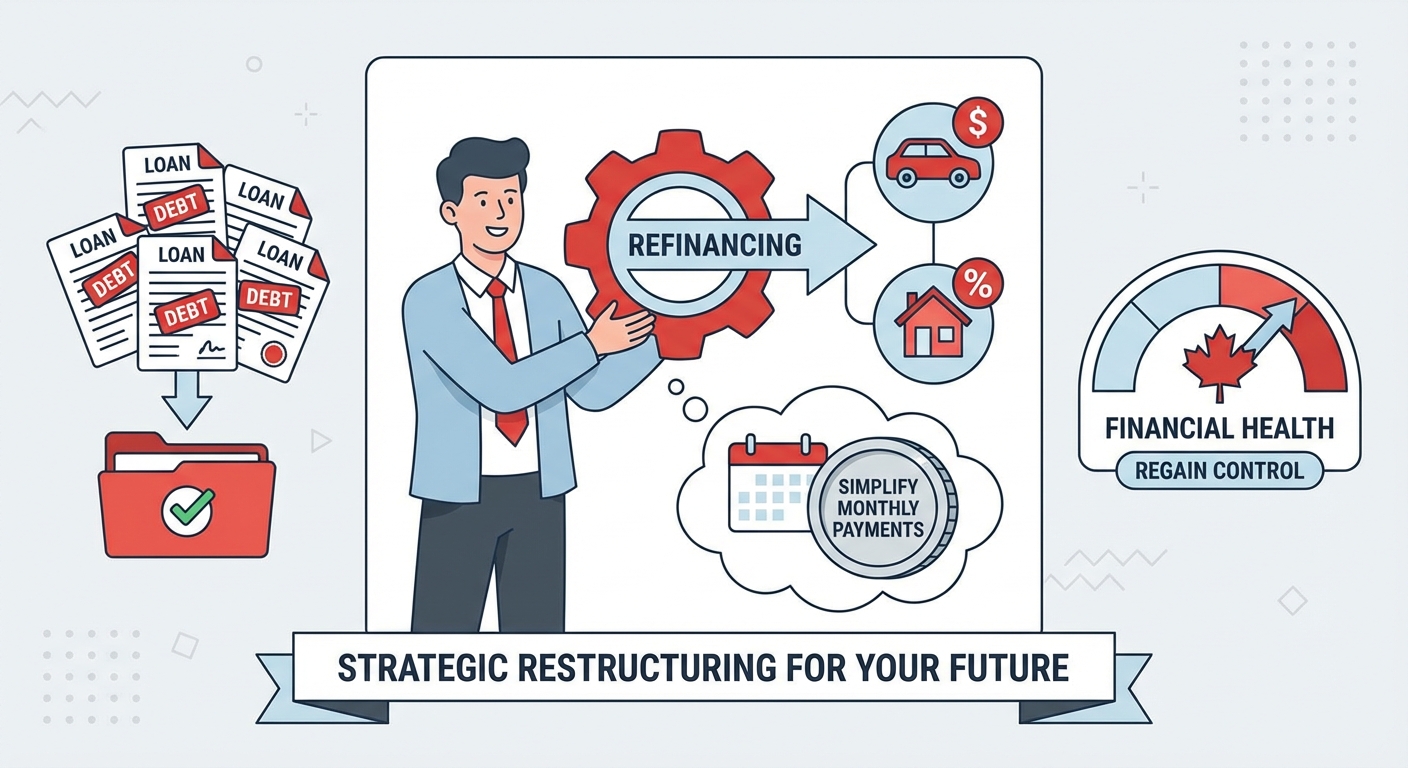
Refinancing isn't about ignoring the debt; it's about strategically restructuring it to improve your financial health and regain control of your vehicle investment.
Context: Understanding Vehicle Depreciation in Alberta's Market
Vehicle depreciation is a natural financial reality, but in Alberta, unique market conditions can amplify its effects, contributing significantly to negative equity. The demand for specific vehicle types, often tied to the energy sector's fluctuations, can influence resale values. Heavy-duty trucks and certain SUV models, while popular and practical for Alberta's diverse terrains and work requirements, can see their values dip more sharply than smaller sedans. Climate impact, with harsh winters and fluctuating temperatures, also puts more wear and tear on vehicles, potentially accelerating perceived depreciation. Understanding these local dynamics is key to recognizing why your vehicle's value might be "upside-down" and planning your refinancing strategy in 2026.
Your Alberta Refinance Blueprint: Eligibility & Documentation for an 'Upside-Down' Loan
Refinancing a car loan with negative equity in Alberta requires meeting specific criteria that lenders evaluate to assess your financial risk. Preparing thoroughly is your best strategy for a successful application in 2026.
Borrower's Checklist: What Lenders Look For
- Credit Score Expectations: While a perfect score isn't always necessary, lenders will review your credit history. A higher score generally leads to better interest rates. For negative equity loans, some specialized lenders are more flexible with lower scores, focusing on other aspects of your financial stability.
- Income Stability: Lenders want to see a consistent and verifiable income. This demonstrates your ability to make regular payments on the new loan. Full-time employment, consistent contract work, or verifiable pension income are all strong indicators. For Albertans with diverse income streams, ensure you can clearly document them. Our guide on Your Pension is the New Pay Stub. Get Approved for a Car, Calgary. might offer relevant insights here.
- Debt-to-Income Ratio (DTI): This ratio compares your total monthly debt payments to your gross monthly income. Lenders use it to gauge if you can comfortably take on additional debt. A lower DTI indicates less risk.
- Payment History: A consistent record of on-time payments, even on your current "upside-down" loan, signals reliability to lenders.
The Vehicle's Role: How Your Car Impacts Approval
The vehicle itself plays a significant part in the refinancing decision, especially with negative equity. Lenders need to ensure the asset securing the loan still holds sufficient value and is insurable.
- Age and Mileage: Most lenders have limits on the maximum age and mileage for vehicles they will refinance. Typically, vehicles older than 8-10 years or with very high kilometres (e.g., over 150,000-200,000 km) might be harder to refinance, though exceptions exist with specialized lenders.
- Make/Model: The type of vehicle can influence a lender's comfort level. Popular models in Alberta like the Ford F-150, Dodge Ram 1500, Toyota RAV4, or Honda CRV generally hold their value better and are more appealing for refinancing than niche or less reliable models.
- Overall Condition: The vehicle's physical condition is important. Lenders want to ensure the car is well-maintained and roadworthy. Significant damage or mechanical issues can be red flags.
Essential Paperwork: Your Documentation Checklist
Having these documents ready will streamline your application process:
- Proof of Income: Recent pay stubs (2-3 months), employment letter, Canada Revenue Agency (CRA) Notice of Assessment (NOA) for self-employed individuals, or pension statements.
- Current Loan Statements: Your most recent car loan statement showing the outstanding balance, interest rate, and payment history.
- Proof of Insurance: Your current vehicle insurance policy, which must include collision and comprehensive coverage.
- Government-Issued ID: Your valid Canadian driver's license.
- Proof of Residency: Utility bills, lease agreements, or other official mail showing your current address in Calgary, Edmonton, Red Deer, Lethbridge, or your specific Alberta city.
- Vehicle Information: Vehicle Identification Number (VIN), make, model, year, and current odometer reading.
Navigating Alberta's Lending Landscape: Where to Find Your Negative Equity Solution
Finding the right lender is crucial when you're looking to refinance an "upside-down" car loan in Alberta. The lending landscape is diverse, with various institutions offering different products and having varying appetites for risk. Understanding your options will help you make an informed decision in 2026.
Traditional Banks vs. Credit Unions
These are often the first stop for many Albertans, and for good reason. They generally offer competitive rates for well-qualified borrowers.
Traditional Banks (e.g., RBC, CIBC, Scotiabank, BMO, TD):
- Pros: Typically offer lower interest rates for borrowers with strong credit. Extensive branch networks across Alberta (Calgary, Edmonton, etc.). May offer relationship discounts if you already bank with them.
- Cons: Often have stricter lending criteria, making it harder to qualify with significant negative equity or a challenging credit history. Less flexibility in terms.
Credit Unions (e.g., Servus Credit Union, ATB Financial, Connect First Credit Union):
- Pros: Member-owned, often leading to a more personalized approach. May be more flexible than large banks, especially for existing members or those with slightly less-than-perfect credit. Often have a strong community focus within Alberta. ATB Financial, as an Alberta-based institution, specifically understands the local economic nuances.
- Cons: Rates might be slightly higher than the absolute best bank rates for prime borrowers. Geographic limitations for some smaller credit unions.
Dealership Financing
Many dealerships in Alberta offer financing options, particularly when you're looking to roll your negative equity into a new vehicle purchase. This is a common strategy for individuals who want to upgrade while still owing on their current car.
- Pros: Convenience of a one-stop shop. Dealerships often have relationships with multiple lenders (banks, credit unions, and specialized finance companies), increasing your chances of approval. They are experienced in structuring deals that include negative equity.
- Cons: The "convenience" can come at a cost. Interest rates might be higher than if you secured financing independently. You might end up financing a larger amount (your new vehicle + old negative equity), potentially extending your loan term and increasing the total interest paid. Carefully review all terms.
Specialized Lenders (Like SkipCarDealer.com)
These lenders, often referred to as non-prime or sub-prime lenders, specialize in helping individuals with challenging credit situations or unique loan scenarios that traditional institutions might shy away from. SkipCarDealer.com falls into this category, focusing on helping Canadians, including Albertans, secure car loans when others can't.
- Pros: Higher approval rates for individuals with bad credit, no credit, or significant negative equity. More flexible eligibility criteria. Often faster approval processes. They understand the nuances of negative equity and are designed to find solutions.
- Cons: Interest rates are typically higher than those offered by traditional banks for prime borrowers, reflecting the increased risk. It's crucial to understand all terms and fees.
| Lender Type | Typical Interest Rates | Flexibility for Negative Equity | Credit Score Focus |
|---|---|---|---|
| Traditional Banks | Lowest (for prime borrowers) | Low (stricter criteria) | High credit scores required |
| Credit Unions | Moderate-Low | Moderate (more personalized) | Good-to-Fair credit |
| Dealership Financing | Varies (can be higher) | High (experienced with rolling over) | Varies (works with multiple lenders) |
| Specialized Lenders (e.g., SkipCarDealer.com) | Higher (for higher risk) | Very High (designed for it) | All credit types, including bad/no credit |
The True Cost of Flipping: Unpacking Interest Rates, Fees, and the Fine Print in Alberta
Refinancing your "upside-down" car loan in Alberta can offer significant relief, but it's essential to understand all the financial components involved. The true cost goes beyond just the monthly payment and requires a closer look at interest rates, potential fees, and the overall loan term in 2026.
Interest Rates: What Influences Them for Negative Equity Loans?
Your interest rate is the cost of borrowing money, expressed as a percentage of the loan amount. For negative equity loans, several factors influence this critical number:
- Credit Score: This remains paramount. A higher credit score signals lower risk to lenders, typically resulting in a lower interest rate. Conversely, a lower score will generally lead to a higher rate.
- Loan Term: Shorter loan terms often come with lower interest rates because the lender's risk exposure is reduced. Longer terms, while offering lower monthly payments, usually carry higher rates over the life of the loan.
- Specific Lender Policies: Different lenders have different risk models and pricing structures. Specialized lenders, while more accommodating of negative equity and credit challenges, will often have higher base rates compared to traditional banks.
- Loan-to-Value (LTV) Ratio: For negative equity loans, your LTV ratio (the loan amount divided by the vehicle's value) will be above 100%. The higher this ratio, the higher the perceived risk, which can translate to a higher interest rate.
Hidden Fees: What to Watch Out For
Don't let unexpected charges erode the benefits of refinancing. Always ask for a full breakdown of all costs. Common fees in Alberta loan contracts can include:
- Origination Fees: A charge for processing the loan, often a percentage of the loan amount or a flat fee.
- Administrative Costs: Fees for paperwork, credit checks, or setting up the loan.
- Lien Registration Fees: Costs associated with registering the lien on your vehicle with the provincial government.
- Early Repayment Penalties: Some loans may include a penalty if you pay off the loan before the agreed-upon term. Ensure your new loan doesn't have this if you plan to pay it down faster.
Loan Term Considerations: Balancing Payments and Total Cost
When refinancing, you'll have the option to choose a new loan term. This is a critical decision:
- Shorter Term (e.g., 48-60 months):
- Pros: You'll pay less interest overall. You'll build equity faster and be debt-free sooner.
- Cons: Monthly payments will be higher, which might strain your budget.
- Longer Term (e.g., 72-96 months):
- Pros: Significantly lower monthly payments, improving cash flow.
- Cons: You'll pay considerably more interest over the life of the loan. It takes longer to build positive equity, and you risk staying "upside-down" for an extended period.
The goal is to find a balance: a monthly payment you can comfortably afford while minimizing the total interest paid. For negative equity, a slightly longer term might be necessary to make payments manageable, but be mindful of the long-term cost.
Boosting Your Approval Odds: Strategies for Challenging Credit and Negative Equity in Alberta
Refinancing with challenging credit and negative equity might seem like an uphill battle in Alberta, but there are concrete strategies you can employ to significantly improve your approval chances and secure more favourable terms in 2026.
Improving Your Credit Score: Laying the Groundwork
Your credit score is a major factor for lenders. Even small improvements can make a difference:
- Pay Down Other Debts: Reducing your credit card balances or other outstanding loans can improve your credit utilization ratio, which positively impacts your score.
- Make All Payments On Time: Consistency is key. Ensure all your bills – not just your car payment – are paid by their due dates.
- Dispute Errors on Credit Reports: Obtain a copy of your credit report from Equifax and TransUnion. Review it for any inaccuracies and dispute them immediately. Errors can unfairly lower your score.
- Avoid New Credit Applications: Limit applying for new credit in the months leading up to your refinancing application, as each hard inquiry can temporarily ding your score.
The Co-Signer Advantage: Sharing the Risk
If your credit score or income stability is a concern, a co-signer can be a game-changer.
- How it Helps: A financially strong co-signer (someone with excellent credit and stable income) essentially guarantees the loan if you default. This significantly reduces the lender's risk, making them more likely to approve your application and potentially offer a lower interest rate.
- Who Can Co-Sign: Typically, a family member or close friend who trusts you and understands the responsibility involved.
- Considerations: A co-signer is equally responsible for the debt. If you miss payments, it impacts their credit score, and they are legally obligated to pay. Ensure open communication and a clear understanding of this commitment.
Down Payments (Even Small Ones): Reducing Loan-to-Value
Even if you're refinancing an existing loan, offering a small down payment can make a big difference.
- Impact on LTV: A down payment directly reduces the loan-to-value (LTV) ratio. If you're $5,000 upside-down, and you can put $1,000 down, your negative equity is reduced to $4,000, making the loan less risky for the lender.
- Demonstrates Commitment: Providing a down payment shows the lender your financial commitment to the loan and your ability to save.
- Source of Funds: This could come from savings, a tax refund, or even selling another asset. For considerations around past payment issues, our article Your Missed Payments? We See a Down Payment. might provide additional context.
Understanding Secured vs. Unsecured Portions
In complex negative equity scenarios, a refinance might involve a secured portion (against the vehicle) and an unsecured portion (the negative equity itself). Some specialized lenders are equipped to structure these types of loans, though the unsecured portion typically carries a higher interest rate due to greater risk.
Context: Comparing Loan Offers from Different Alberta Lenders
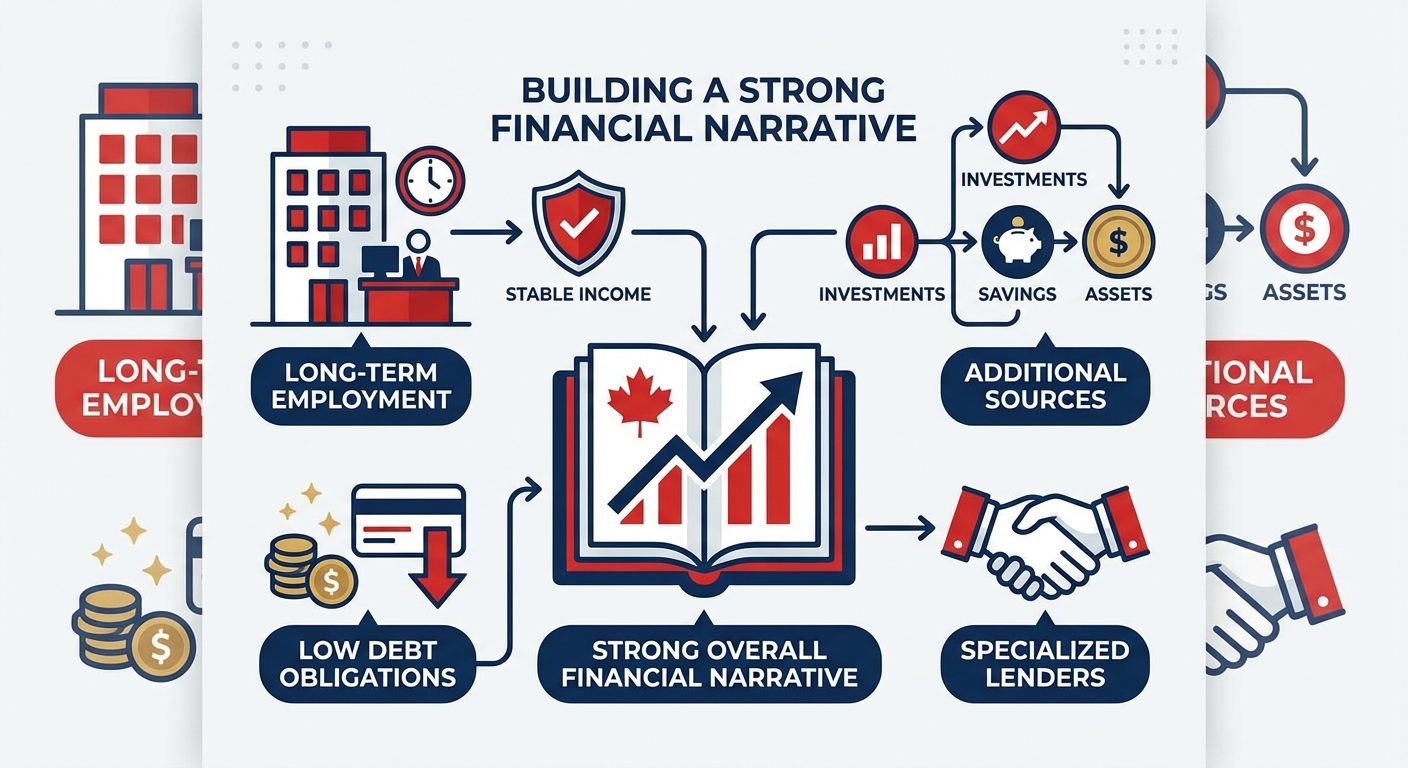
When you're faced with multiple refinancing offers for your "upside-down" car in Alberta, a side-by-side comparison is essential. This infographic illustrates hypothetical scenarios from different lender types. Notice how a major bank might offer a lower interest rate, but potentially with stricter eligibility, while an Alberta credit union offers a slightly higher rate but with more personalized service. A specialized finance company, crucial for those with challenging credit or significant negative equity, might have a higher rate but wider approval criteria. The accompanying text emphasizes that the 'best' offer isn't always the lowest monthly payment; it's the one that aligns with your budget and long-term financial goals, considering total interest and fees over the entire loan term in 2026.
When Refinancing Isn't the Flip: Alternative Strategies for Alberta's 'Upside-Down' Drivers
While refinancing is a powerful tool, it's not always the best or only solution for every Albertan facing negative equity in 2026. Sometimes, alternative strategies might be more suitable depending on your financial situation and long-term goals. Let's explore other ways to tackle that "upside-down" car loan.
Paying Down the Difference: Accelerated Equity Building
If your budget allows, making extra payments on your current loan can be a highly effective way to reduce negative equity faster.
- How it Works: Any extra payment you make goes directly towards the principal balance, reducing the amount you owe. This accelerates the rate at which you build equity and shortens the loan term.
- Benefits: You get out of negative equity sooner, save a significant amount on interest, and gain financial freedom faster.
- Considerations: Ensure your loan doesn't have early repayment penalties. Even small, consistent extra payments can make a big difference over time.
Selling Your Car Privately vs. Trading In with Negative Equity
If you're looking to get out of your current vehicle, these are your two main paths, each with its own complexities.
- Selling Your Car Privately:
- Pros: You'll likely get a higher sale price than a dealership trade-in value, maximizing your return.
- Cons: You're responsible for marketing, showing the car, and handling all paperwork. Crucially, if you have negative equity, you'll need to pay the difference between the sale price and your loan payoff balance out of pocket at the time of sale. This can be a significant lump sum.
- Trading In with Negative Equity:
- How Dealerships Handle It: When you trade in a vehicle with negative equity, the dealership will typically roll that outstanding balance into your new car loan.
- Pros: Convenient, as it's a one-stop process for selling your old car and buying a new one. No upfront cash needed to cover the negative difference.
- Cons: The negative equity gets added to your new loan, increasing its total amount, potentially leading to higher monthly payments, a longer loan term, and more interest paid overall. You risk starting your new car purchase "upside-down" from day one.
- Associated Risks: Be wary of dealerships that inflate the trade-in value or the price of the new vehicle to "hide" the negative equity. Always scrutinize the total price of the new vehicle and the final loan amount.
Lease Buyout Considerations (If Applicable)
If you're nearing the end of a lease and your vehicle has negative equity (i.e., its market value is less than the residual value stated in your lease agreement), buying out the lease might not be the best option. You'd be paying more than the car is worth. In this scenario, it might be better to simply return the vehicle and walk away, assuming you've adhered to all lease terms and haven't exceeded mileage limits or caused excessive wear and tear.
The Road Ahead: Driving Towards Financial Freedom and Avoiding Future Negative Equity in Alberta
Overcoming negative equity in your car loan is a significant step towards financial freedom, but the journey doesn't end there. Implementing smart strategies now can help you avoid falling into the same trap in the future, ensuring your vehicle remains an asset, not a liability, for years to come in Alberta in 2026.
Smart Vehicle Purchasing Tips: Start Strong
- Sufficient Down Payment: Aim for at least a 10-20% down payment on any new vehicle purchase. This immediately creates a buffer against depreciation and helps you build equity faster.
- Appropriate Loan Terms: Resist the temptation of ultra-long loan terms (e.g., 84 or 96 months) just for lower monthly payments. While they offer short-term relief, they significantly increase the total interest paid and keep you in a negative equity position for longer. Aim for 60-72 months if possible.
- Budget Realistically: Don't buy more car than you can truly afford. Factor in not just the monthly payment, but also insurance, fuel, and maintenance costs specific to driving in Alberta.
Understanding Depreciation: Choose Wisely
Some vehicles hold their value better than others. Research depreciation rates for different makes and models before you buy. Generally, vehicles known for reliability (e.g., certain Toyota, Honda, Subaru models) and those with strong resale markets in Alberta often depreciate less rapidly. While popular trucks and SUVs are essential for many Albertans, be aware of their depreciation trends and plan accordingly with a larger down payment or shorter loan term.
Regular Financial Reviews: Stay Informed
Make it a habit to regularly review your loan and equity positions. At least once a year, get an updated valuation of your vehicle and compare it to your outstanding loan balance. This proactive approach allows you to identify potential negative equity early and take corrective action, such as making extra payments, before it becomes a major problem.
Your Next Steps to Approval: A Personalized Checklist for Alberta Drivers
Ready to flip your refinance story? Here’s a personalized checklist to guide your next steps:
- Calculate your current equity position.
- Gather all essential financial and vehicle documentation.
- Explore pre-qualification options with SkipCarDealer.com and other lenders.
- Compare loan offers, focusing on APR, total cost, and manageable monthly payments.
- Consider strategies like a co-signer or a small down payment if needed.
- Apply for the loan that best fits your financial goals.
By taking control of your financial situation today, you're not just refinancing a car; you're driving towards a more secure and positive financial future in Alberta.