
British Columbia EI? Your Car Loan Just Called 'Shotgun'.
Table of Contents
- British Columbia EI? Your Car Loan Just Called 'Shotgun'.
- Key Takeaways: Your Fast Track to Understanding Car Loans on BC EI
- The BC Reality Check: Why a Car is More Than Just Wheels When You're on EI
- 1.1. British Columbia's Unique Landscape & Mobility Needs:
- 1.2. EI in BC: An Unexpected Financial Anchor:
- EI as a Financial Footing: What BC Lenders *Really* See When You Apply
- 2.1. Deconstructing EI Income: Not All Benefits Are Created Equal:
- 2.2. The 'Temporary' vs. 'Stable' Income Dilemma for Lenders:
- Decoding Your Financial Compass: Credit Score, Debt, and Your EI Application
- 3.1. The Unseen Hand: How Your Credit Score Dictates Your Destiny (on EI):
- 3.2. The Debt-to-Income Ratio on EI: A Tightrope Walk:
- 3.3. Elevating Your Odds: Improving Your Credit While on EI:
- The Approval Gauntlet: Lenders Who Play Ball with EI in British Columbia
- 4.1. Beyond the Big Banks: Exploring Your Lending Landscape in BC:
- 4.2. The 'Guaranteed Approval' Myth Debunked:
- Crafting Your 'EI-Proof' Loan Application: A Step-by-Step Guide for BC Residents
- 5.1. The Essential Documents: Beyond the Basics for EI Applicants:
- 5.2. Building a Compelling Narrative: Your Story Matters to Lenders:
- 5.3. The Power of the Down Payment: Even a Small One:
- 5.4. Considering a Co-Signer: When It Helps, When It Hurts:
- Beyond the Loan: The True Cost of Car Ownership in British Columbia on EI
- 6.1. Navigating ICBC: Insurance Rates Unique to BC:
- 6.2. Registration, Taxes, and Hidden Fees: The Unseen Expenses:
- 6.3. Fuel, Maintenance, and Emergency Funds: Budgeting for the Long Haul:
- Navigating the Dealership: Smart Buying Strategies for EI Recipients in BC
- 7.1. New vs. Used: What Makes Sense for Your EI Budget?
British Columbia EI? Your Car Loan Just Called 'Shotgun'.
Picture this: You're navigating the stunning, yet often sprawling, landscapes of British Columbia. From the bustling streets of Vancouver to the serene, winding roads of the Okanagan, or the rugged beauty of the Kootenays, life in BC often demands a reliable set of wheels. But what happens when life throws a curveball, and you find yourself relying on Employment Insurance (EI)? Does your dream of a new car screech to a halt?
For many British Columbians, the idea of securing a car loan while on EI feels like an uphill battle. The perception often is that lenders slam the brakes on anyone without a traditional, stable employment income. However, that's not always the case. With the right strategy, understanding, and preparation, getting a car loan in BC while on EI is not just a pipe dream – it's a tangible goal. This comprehensive guide will equip you with the knowledge, tips, and insights you need to confidently navigate the process, ensuring your car loan doesn't just call 'shotgun,' but takes the wheel.
Key Takeaways: Your Fast Track to Understanding Car Loans on BC EI
- EI as Income: Yes, EI *can* be considered income by lenders in British Columbia, but its temporary nature requires strategic presentation.
- Credit is King (Even on EI): A strong credit score significantly boosts your chances and secures better rates. Focus on improving it proactively.
- Affordability is Paramount: Lenders prioritize your ability to repay. Your EI amount, existing debts, and a realistic budget are crucial.
- Not All Lenders Are Equal: Big banks might be tougher; BC credit unions and specialized auto finance companies are often more flexible.
- Beyond the Loan: Factor in BC-specific insurance (ICBC), registration, and maintenance costs – the true cost of ownership can surprise you.
- Strategy is Key: A solid application, a down payment, and potentially a co-signer can turn 'no' into 'yes'.
The BC Reality Check: Why a Car is More Than Just Wheels When You're on EI
Living in British Columbia offers unparalleled natural beauty and vibrant urban centres. However, it also presents unique challenges, especially when it comes to transportation and financial stability. When you're on Employment Insurance, the need for a car isn't just about convenience; it often becomes a necessity for maintaining your livelihood and quality of life.
1.1. British Columbia's Unique Landscape & Mobility Needs:
The sheer vastness of BC means that public transit, while excellent in major metropolitan areas like Vancouver and Victoria, simply doesn't reach every corner. From the Fraser Valley's sprawling communities to the interior's smaller towns and remote regions, a personal vehicle is often the only practical means of transportation. Imagine needing to commute for job interviews in a neighbouring town, attending essential medical appointments that aren't on a bus route, or simply ensuring your family can access groceries and schools. These are not luxuries; they are fundamental aspects of daily life that often hinge on having a reliable car.
Unexpected life events, such as job loss leading to EI, don't diminish this need for mobility. In fact, they can intensify it. A car becomes a vital tool for actively searching for new employment, accessing training programs, or even starting a new venture that requires travel. Without it, the isolation and logistical hurdles can be overwhelming, further complicating an already challenging financial situation.
1.2. EI in BC: An Unexpected Financial Anchor:
Employment Insurance is a temporary financial lifeline designed to support Canadians who have lost their jobs through no fault of their own. It provides a percentage of your previous earnings, helping to cover essential living expenses while you seek new employment. In a high-cost-of-living province like BC, every dollar counts, and EI benefits, while temporary, can serve as a crucial, albeit limited, income stream.
The psychological impact of being on EI can be significant. There's the stress of job hunting, the adjustment to a reduced income, and the pressure to maintain normalcy. For many, maintaining a vehicle is part of that normalcy – a practical tool that enables them to navigate this transitional period effectively. This is why people on EI often *need* car loans, not just 'want' them. It's about maintaining independence, continuing to contribute to their families and communities, and actively working towards re-employment. The challenge lies in convincing lenders that this temporary anchor is stable enough to support a car loan.
EI as a Financial Footing: What BC Lenders *Really* See When You Apply
When you present your Employment Insurance as income to a lender in British Columbia, they don't just see a number; they see a temporary financial situation with varying degrees of stability and predictability. Understanding their perspective is key to presenting your application in the best possible light.
2.1. Deconstructing EI Income: Not All Benefits Are Created Equal:
While all EI benefits originate from Service Canada, lenders often categorize them based on their perceived duration and purpose:
- Regular EI Benefits: This is the most common type, provided to individuals who have lost their jobs. Lenders typically view this as temporary income, with a clear end date. The primary concern is how long these benefits will last relative to the loan term.
- Sickness Benefits: These benefits are for individuals unable to work due to illness or injury. While specific in duration, they are often perceived similarly to regular EI in terms of temporary nature, unless there's clear medical documentation indicating a return-to-work date or a transition to more permanent disability benefits.
- Parental/Maternity Benefits: These benefits, provided to new parents, can sometimes be viewed more favourably. While also temporary, they often have a more defined and predictable duration (e.g., 12 or 18 months) and are associated with a planned life event, sometimes with a guaranteed return to employment. Lenders might see this as a more stable temporary income.
- Other Social Security Benefits (e.g., Disability): Benefits like the Canada Pension Plan (CPP) Disability or provincial disability programs (like Persons with Disabilities (PWD) in BC) are generally seen as far more stable and long-term than EI. Lenders often treat these as regular, verifiable income, significantly improving loan prospects. For further reading on how different types of income are assessed, including general EI income, you might find our article EI Income? Your Car Loan Just Said 'Welcome Aboard!' helpful.
2.2. The 'Temporary' vs. 'Stable' Income Dilemma for Lenders:
Lenders are in the business of assessing risk. Their primary concern is your ability to repay the loan consistently over its entire term. The inherent risk with EI is its cessation. If your EI benefits run out before you secure new employment, your ability to make payments vanishes, leading to potential default.
There isn't a single "magic number" for how long your EI needs to last. However, many lenders prefer to see that your EI benefits will cover a significant portion of the loan's initial term, or at least provide a buffer for several months beyond the expected approval date. For example, if you're applying for a 60-month loan and your EI is set to expire in 3 months, that's a much higher risk than if it's set to last for 9-12 months.
Pro Tip: Documenting Your EI Beyond the Basic Statement
Don't just provide your Service Canada benefit statement. Go the extra mile. Include screenshots from your My Service Canada Account showing the start and end dates of your benefits, the total amount you're eligible for, and the remaining balance. If you have a confirmed return-to-work date, provide a letter from your employer. If you're actively enrolled in a job training program or have interviews lined up, mention this in your application narrative. Any documentation that illustrates a clear path to re-employment or a stable income source post-EI will significantly strengthen your case.
Decoding Your Financial Compass: Credit Score, Debt, and Your EI Application
Beyond your income source, your financial history acts as a crucial compass guiding lenders' decisions. When you're on EI, a strong credit score and a manageable debt-to-income ratio become even more critical, acting as powerful mitigators to the perceived risk of temporary income.
3.1. The Unseen Hand: How Your Credit Score Dictates Your Destiny (on EI):
Your credit score is a three-digit number that summarizes your entire credit history. Lenders use it to quickly assess your reliability as a borrower. When your income is temporary (like EI), a stellar credit score becomes your best advocate. Lenders look for:
- Payment History: Do you consistently pay your bills on time? This is the most influential factor.
- Credit Utilization: How much of your available credit are you using? Keeping it below 30% is ideal.
- Length of Credit History: A longer history of responsible credit use is better.
- Types of Credit: A mix of credit (e.g., credit cards, lines of credit, previous loans) shows diverse financial management.
- New Credit: Too many recent applications can be a red flag.
Why is a good score even *more* crucial when your income source is EI? Because it tells the lender, "Even though my current income is temporary, I have a long-standing history of financial responsibility." It signals that you are a low-risk borrower who prioritizes debt repayment. Conversely, a poor credit score combined with temporary EI income presents a double whammy of risk that most lenders will shy away from. For a deeper understanding of credit score requirements, even if you're in BC, our article The Truth About the Minimum Credit Score for Ontario Car Loans provides valuable context on what lenders generally look for.
In Canada, your primary credit reports are maintained by Equifax and TransUnion. It's wise to obtain copies of your reports from both agencies regularly to ensure accuracy and understand your standing.
3.2. The Debt-to-Income Ratio on EI: A Tightrope Walk:
Your Debt-to-Income (DTI) ratio is a percentage that compares your total monthly debt payments to your gross monthly income. Lenders use it to gauge your capacity to take on more debt. When on EI, this ratio becomes a tightrope walk because your income is often lower than your previous employment income.
Calculating your DTI:
Add up all your minimum monthly debt payments (credit cards, existing loans, lines of credit, rent/mortgage payments). Divide that sum by your gross monthly EI income. Multiply by 100 to get a percentage.
Example: If your EI is $2,000/month and your existing debt payments are $600/month, your DTI is 30% ($600/$2,000). If a new car loan adds another $300/month, your DTI jumps to 45% ($900/$2,000).
Lenders generally prefer a DTI of 36% or lower, though some might go up to 43% for applicants with excellent credit. For EI recipients, a DTI closer to the lower end of that spectrum is highly advantageous. A high DTI indicates that a large portion of your income is already committed to existing debts, leaving little room for a new car payment, especially on a temporary income.
Pro Tip: Strategies for Reducing Your DTI *Before* Applying
Before you even think about applying for a car loan, take proactive steps to lower your DTI. Pay down credit card balances, especially those with high interest rates. If you have any small outstanding loans, try to clear them. Consider consolidating high-interest debt into a lower-interest personal loan if your credit allows. Delay any non-essential purchases that would add to your monthly payments. A lower DTI shows lenders you have more disposable income to comfortably manage a new car loan.
3.3. Elevating Your Odds: Improving Your Credit While on EI:
Even while on EI, you can actively work to improve your credit score, which will significantly improve your loan prospects:
- Secured Credit Cards or Small Secured Loans: If you have limited credit or need to rebuild, a secured credit card (where you provide a deposit as collateral) or a small secured loan (like a credit-builder loan) can be excellent tools. Make small purchases and pay them off in full and on time every month.
- Timely Bill Payments: This cannot be stressed enough. Ensure all your bills – utilities, rent, phone, existing credit card payments – are paid on or before their due dates. Consider setting up automatic payments to avoid missing deadlines.
- Spotting and Disputing Errors: Obtain your credit reports from Equifax and TransUnion. Review them carefully for any inaccuracies, such as accounts you don't recognize, incorrect payment statuses, or outdated information. Dispute any errors immediately, as they can negatively impact your score.
The Approval Gauntlet: Lenders Who Play Ball with EI in British Columbia
Navigating the lending landscape in British Columbia can feel like a gauntlet, especially when your income is from EI. Not all lenders view temporary income in the same light, so knowing where to direct your efforts is crucial.
4.1. Beyond the Big Banks: Exploring Your Lending Landscape in BC:
Understanding the different types of lenders is your first step to success:
- Traditional Banks (RBC, TD, CIBC, Scotiabank, BMO, etc.): These are often the toughest nut to crack for EI recipients. Big banks typically favour stable, long-term, verifiable employment income. While they might consider EI in conjunction with an excellent credit score, a substantial down payment, or a strong co-signer, they are generally less flexible. Their approval processes are often highly standardized, making it difficult to present a nuanced financial story.
- BC Credit Unions (Vancity, Coast Capital Savings, Prospera Credit Union, etc.): This is where things start to get more interesting for EI applicants. BC credit unions are community-focused and often have more flexible lending criteria. They are more likely to look at the individual's overall financial picture, personal circumstances, and future prospects rather than just adhering to strict income categories. If you have a long-standing relationship with a local credit union, they may be more inclined to work with you. Their decision-making process can be more personalized, taking into account your specific story and needs.
- Dealership Financing (Captive Lenders): Many dealerships offer in-house financing or have relationships with a wide network of lenders, including those that specialize in non-traditional income sources or lower credit scores (often referred to as subprime lenders). This can be a very convenient option, as the dealership handles the application process for you. They are motivated to sell cars, so they often work harder to find a financing solution. However, be aware that interest rates might be higher through some of these specialized lenders.
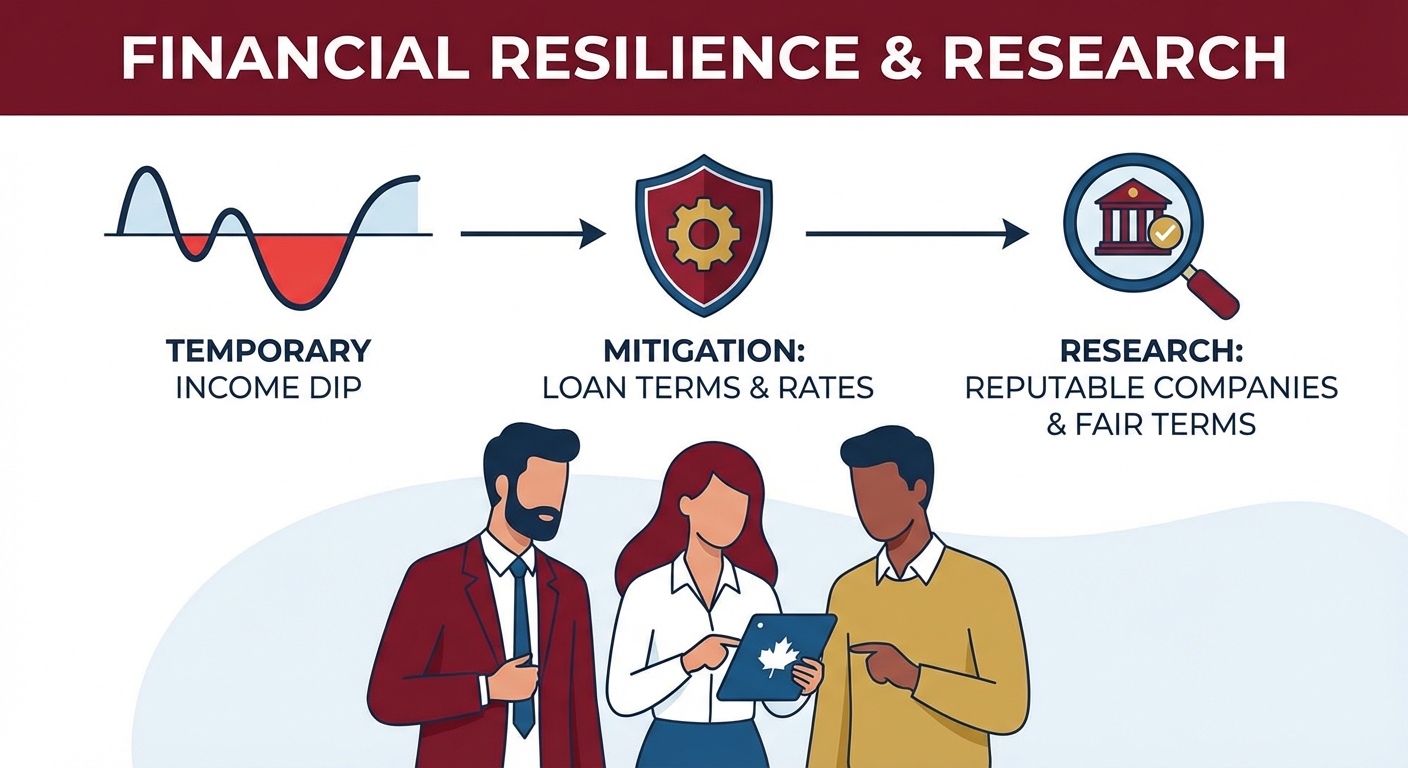
- Specialized Auto Finance Companies: These are companies whose primary business is providing car loans to individuals who might not qualify for traditional bank loans. They are often more willing to consider EI as income, especially if you have a decent credit history or a substantial down payment. They understand that life circumstances can lead to temporary income situations and are structured to mitigate those risks through various loan terms and interest rates. It's crucial to research these companies thoroughly to ensure they are reputable and offer fair terms.
4.2. The 'Guaranteed Approval' Myth Debunked:
You might see advertisements or hear promises of "guaranteed approval" for car loans. Be extremely wary of these claims, especially when you're on EI. No reputable lender can truly guarantee approval without a full application, a thorough credit check, and an assessment of your financial situation. These promises are often red flags for predatory practices aimed at drawing in vulnerable borrowers.
Such offers might lead to loans with extremely high-interest rates, unfavourable terms, and hidden fees that can trap you in a cycle of debt. Always read the fine print, understand every clause, and don't feel pressured into signing anything you're not comfortable with. If an offer seems too good to be true, it almost certainly is. Transparency and understanding are your best defence against predatory lending.
Crafting Your 'EI-Proof' Loan Application: A Step-by-Step Guide for BC Residents
Securing a car loan while on EI in BC requires more than just filling out a form. It demands a carefully crafted application that addresses potential lender concerns head-on. Think of it as building a robust case for your financial reliability, even with a temporary income.
5.1. The Essential Documents: Beyond the Basics for EI Applicants:
While all car loan applications require standard identification and residency proofs, EI applicants need to go the extra mile to substantiate their income and future prospects. For general guidance on required documents, our article Approval Secrets: Exactly What Paperwork You Need for Alberta Car Financing can provide a useful baseline, though BC specifics will apply.
- Proof of EI Income: This is paramount. Provide recent Service Canada statements (e.g., benefit statements, payment stubs) and, ideally, screenshots from your My Service Canada Account clearly showing the start date, weekly benefit amount, total eligible benefits, and the remaining number of weeks or total amount available.
- Bank Statements (3-6 months): Lenders will want to see your financial habits. Consistent bank statements showing regular EI deposits, responsible spending, and a healthy balance (not constantly hitting zero) demonstrate financial prudence.
- Proof of Residence: Utility bills (hydro, gas, internet), a current lease agreement, or property tax statements confirm your address and stability.
- Letters of Employment (if applicable): If you have a confirmed return-to-work date with a previous employer, or a new job offer with a start date, a formal letter from the employer is incredibly powerful.
- Other Income Sources: Don't overlook any additional income. This could include income from a spouse or partner (if applying jointly), child tax benefits, rental income, or even documented income from a side gig. Every dollar contributes to your overall affordability.
5.2. Building a Compelling Narrative: Your Story Matters to Lenders:
Numbers alone often don't tell the full story. Use your application to explain your situation clearly and concisely. Don't hide the fact you're on EI; instead, frame it as a temporary phase you're actively managing.
- Explain Your EI Situation: Briefly outline why you're on EI (e.g., temporary layoff, industry slowdown, parental leave). Be honest and direct.
- Highlight Your Plan for Re-employment/Income Stability: Are you actively job searching? Enrolled in a training program? Do you have a specific skill set in demand in BC? Emphasize your proactive steps towards re-employment or securing a stable income post-EI.
- Emphasize Your Need for a Reliable Vehicle: Connect the car to your financial and personal stability. Is it essential for job searching, commuting to a new role, childcare, medical appointments, or accessing essential services in a transit-poor area of BC? This helps lenders understand the practical necessity, not just a desire.
5.3. The Power of the Down Payment: Even a Small One:
A down payment is one of the most effective tools for an EI recipient seeking a car loan. It demonstrates commitment, reduces the loan amount, and significantly lowers the risk for the lender.
- How a Down Payment Helps: It reduces the principal amount borrowed, which means lower monthly payments and less interest paid over the life of the loan. Crucially, it shows the lender you have "skin in the game" and are financially committed to the purchase.
- Strategies for Saving While on EI: Even a few hundred dollars can make a difference. Prioritize saving over discretionary spending. Look for ways to reduce expenses, sell unused items, or pick up small, temporary gigs if your EI allows.
Pro Tip: Even a Few Hundred Dollars Shows Commitment
Don't dismiss a down payment because you can't afford thousands. Even a modest down payment of $500 or $1,000 signals to lenders that you are serious, have managed to save funds, and are willing to invest your own money. This small act can significantly improve your approval chances and potentially secure a better interest rate.
5.4. Considering a Co-Signer: When It Helps, When It Hurts:
If you're struggling to get approved on your own, a co-signer can be a game-changer. However, it's a decision that requires careful consideration.
- Benefits of a Strong Co-Signer: A co-signer with stable employment, a high income, and an excellent credit score can significantly bolster your application. Their financial strength essentially acts as a guarantee for the loan, reducing the lender's risk.
- Responsibilities and Risks: It's vital that both parties understand the full implications. A co-signer is equally responsible for the loan. If you miss payments, it negatively impacts their credit score, and they are legally obligated to make the payments. This can strain relationships if not handled transparently and responsibly.
Beyond the Loan: The True Cost of Car Ownership in British Columbia on EI
Securing a car loan is just the first step. For BC residents, especially those on EI, understanding the full spectrum of car ownership costs is paramount. British Columbia has its own unique financial landscape, particularly concerning auto insurance, which can significantly impact your monthly budget.
6.1. Navigating ICBC: Insurance Rates Unique to BC:
British Columbia operates under a public auto insurance system managed by the Insurance Corporation of British Columbia (ICBC). This means that unlike other provinces where you can shop around multiple private insurers, ICBC is your sole provider for basic auto insurance.
- Understanding BC's System: ICBC provides mandatory basic vehicle insurance, which covers minimum liability and accident benefits. You can purchase optional extended coverage directly from ICBC or from private insurers.
- Factors Affecting Your Premiums: Your ICBC premiums are influenced by several factors:
- Driving Record: Your history of claims and traffic violations.
- Location: Where you live and primarily drive in BC (e.g., urban centres often have higher rates).
- Vehicle Type: The make, model, year, and safety features of the car.
- Discounts: You might qualify for discounts based on telematics programs, low annual kilometres driven, or bundling with other insurance products.
- Budgeting for Insurance: For many British Columbians, ICBC insurance is a significant monthly expense, often hundreds of dollars. It's crucial to get an accurate quote *before* committing to a car loan to ensure it fits within your EI budget. Don't underestimate this cost.
6.2. Registration, Taxes, and Hidden Fees: The Unseen Expenses:
Beyond the loan and insurance, several other costs contribute to the true price of car ownership in BC.
- Provincial Sales Tax (PST) on Vehicles in BC: When you purchase a vehicle in BC, you'll pay PST. The rate is currently 7% for most used vehicles and 7-10% for new vehicles, depending on the price. This is a substantial upfront cost that must be factored into your budget, whether paid out of pocket or rolled into your financing (if the lender allows).
- Registration Fees, License Plates, and Annual Renewals: There are fees for vehicle registration and obtaining license plates. These are annual costs that you'll need to budget for each year you own the vehicle.
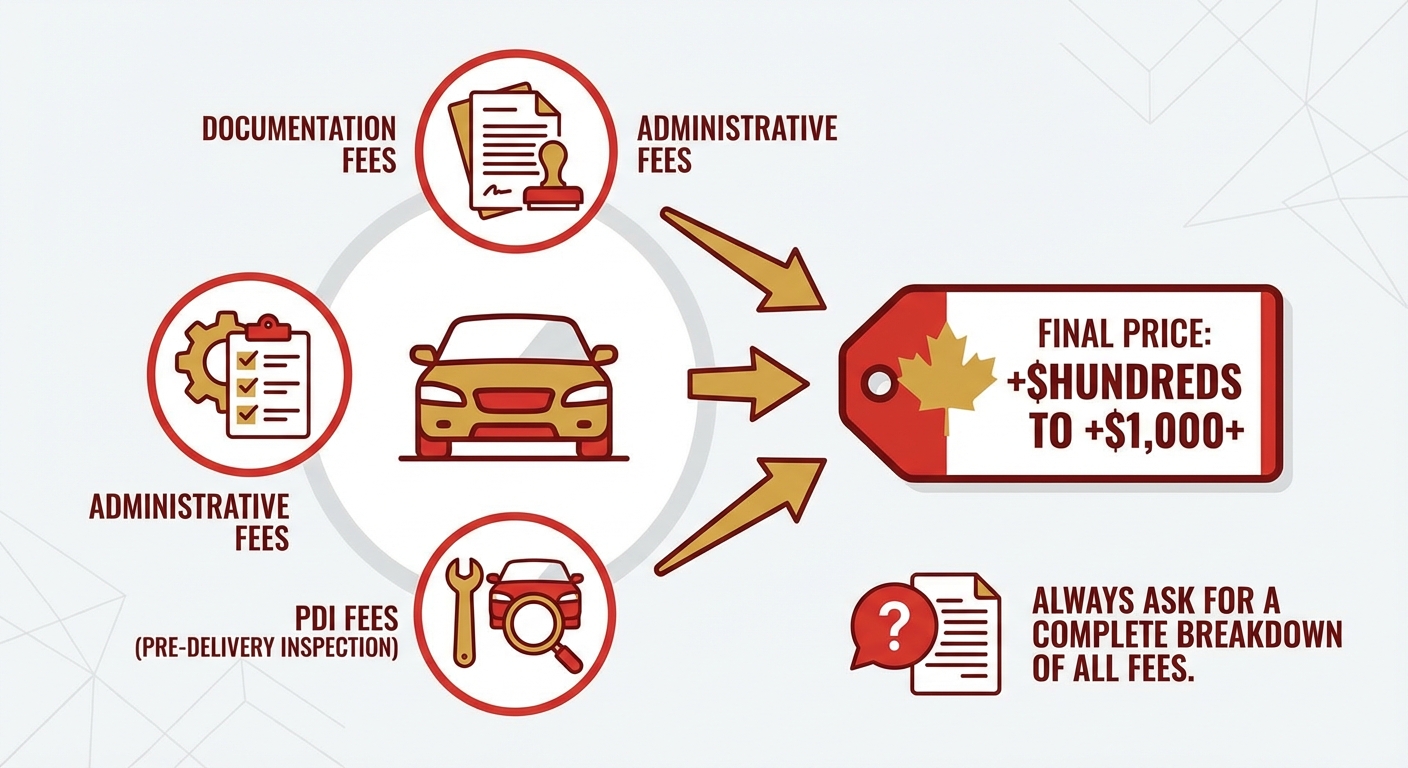
- Dealership Documentation Fees and Other Administrative Costs: Be aware of various fees dealerships might charge, such as documentation fees, administrative fees, or PDI (Pre-Delivery Inspection) fees for new cars. These can add several hundred to over a thousand dollars to the final price. Always ask for a complete breakdown of all fees.
6.3. Fuel, Maintenance, and Emergency Funds: Budgeting for the Long Haul:
The ongoing operational costs of a vehicle can quickly deplete an EI budget if not properly planned for.
- The Fluctuating Cost of Fuel in BC: British Columbia, particularly the Lower Mainland, is known for some of the highest fuel prices in Canada. Your daily commute, weekend trips, and even job search travel will incur significant fuel costs. Research the fuel efficiency of any car you consider.
- Planning for Routine Maintenance: Cars require regular maintenance – oil changes, tire rotations, brake inspections, fluid top-ups, and filter replacements. These routine services are essential for the car's longevity and safety and can easily add up over a year.
- The Importance of an Emergency Fund for Unexpected Repairs: What happens if your transmission fails, or you need new tires unexpectedly? Without an emergency fund, a major repair can derail your finances, especially when on a fixed EI income. Try to build a small buffer specifically for car-related emergencies.
Pro Tip: Research Specific Car Models for Reliability and Fuel Efficiency
Before you even step into a dealership, research the reliability ratings and fuel economy of different car models. Websites like J.D. Power, Consumer Reports, and Natural Resources Canada's fuel consumption guide can provide invaluable data. Opting for a model known for its low maintenance costs and excellent fuel efficiency can save you thousands of dollars over the life of the loan, making car ownership more sustainable on an EI budget.
Navigating the Dealership: Smart Buying Strategies for EI Recipients in BC
Walking into a dealership can be intimidating at the best of times, let alone when you're on EI. However, with the right strategies and a clear understanding of the buying process, you can secure a vehicle that meets your needs without overextending your temporary income.
7.1. New vs. Used: What Makes Sense for Your EI Budget?
This is often the first major decision. While the allure of a new car is strong, for someone on EI, a used vehicle is almost always the more financially prudent choice.
- The Allure and Pitfalls of New Cars: New cars come with the latest features, warranties, and that "new car smell." However, they depreciate rapidly (losing a significant portion of their value in the first few years), have higher purchase prices, and often lead to higher insurance premiums and loan amounts.