Cash Income Only? That's Not a Problem, It's Your Car Loan, Vancouver.
Table of Contents
- Key Takeaways
- Unpacking the 'Cash Income Only' Conundrum for Lenders in British Columbia
- The Lender's Risk Equation: Why Traditional Banks Prioritize Verifiable, Regular Income
- The Challenge of Verification: How Cash Transactions Complicate Income Assessment
- Compliance and Regulatory Hurdles: Anti-Money Laundering (AML) Regulations
- It's Not Personal, It's Policy: Understanding Lender Reluctance
- Building Your Irrefutable Case: Documenting Your Cash Flow Like a Pro
- The Bank Statement Blueprint: What 6-12 Months of Consistent Bank Deposits Reveal
- Pro Tip: Dedicated Business Accounts
- Your CRA Notice of Assessment (NOA): Why Annual Tax Returns are Paramount
- Beyond the NOA: Supporting Tax Documents
- Invoices, Receipts, and Contracts: Creating a Paper Trail
- Letters of Employment (for Cash-Paying Jobs): Confirming Consistent Wages
- The Power of a Personal Financial Statement: A Holistic View
- Navigating the Lender Landscape: Who Will Say 'Yes' in Vancouver?
- The Big Five Banks (RBC, TD, Scotiabank, BMO, CIBC): High Standards, Tougher Approval
- British Columbia's Credit Unions: Your Local Advantage
- Pro Tip: Build a Relationship Early
- Dealership Finance Departments: Convenience vs. Cost
- Specialty & Subprime Lenders: Increased Approval, Higher Rates
- Brokerage Services: Connecting You to the Right Loan
- Beyond Income: Fortifying Your Application for Better Terms in Vancouver
- The Down Payment Dynamo: Reducing Lender Risk and Unlocking Better Rates
- The Co-Signer Advantage: Sharing the Responsibility
- Credit Score: Your Financial Report Card
- Debt-to-Income Ratio (DTI): A Key Metric
- Choosing the Right Vehicle: Impact on Your Loan
- What to Expect at the Dealership: Your Vancouver Car Buying Journey
- Pre-Approval Power: Shop with Confidence
- Navigating the Negotiations: Price, Terms, and Trade-ins
- Understanding the Fine Print: Interest Rates, Fees, and Loan Terms
- The Test Drive and Inspection: Don't Rush It
- Insurance Considerations in British Columbia
- Beyond the Loan: Building Financial Stability and Future Opportunities
- Making Payments On Time, Every Time: Building Positive Credit History
- Refinancing Your Loan: Lowering Your Rates Down the Road
- Transitioning to Traditional Income Proof: Easing Future Financing
- Leveraging Your Car Loan for Future Credit
- Vancouver & British Columbia Specific Resources for Car Buyers
- Consumer Protection BC: Understanding Your Rights
- Credit Counselling Society: Free Resources for Financial Management
- Local Dealerships Known for Flexible Financing
- Community Financial Literacy Programs
- Your Next Steps to Approval: Final Thoughts on Financing with Cash Income
- Preparation is Not Just Key, It's Everything
- Be Persistent, But Also Realistic
- Focus on Building Your Financial Narrative
- Start Your Journey Today
- Frequently Asked Questions About Financing a Car with Cash Income in British Columbia
The vibrant streets of Vancouver, British Columbia, are bustling, and for many, a reliable car is essential for work, family, and exploring the stunning Pacific Northwest. But what if your income primarily comes in cash? The idea of securing a car loan when you don't have traditional pay stubs can feel like navigating the Lions Gate Bridge blindfolded. This isn't just a hypothetical problem; it's a real challenge for many entrepreneurs, service industry professionals, and gig workers across British Columbia.
This deep-dive article will not only answer the question 'can I finance a car with cash income only?' with a resounding 'yes, but with preparation,' but also equip you with a comprehensive, Vancouver-centric strategy to make it happen. We'll cut through the confusion, offering actionable advice to transform your cash income into a credible financial profile for lenders.
Key Takeaways
- Documentation is Your Gold Standard: Meticulously track and provide bank statements (6-12 months), tax returns (NOA), and detailed invoices/receipts to prove consistent income.
- Alternative Lenders are Your Allies: While major banks can be tough, local credit unions (like Vancity or Coast Capital Savings) and specialized auto finance companies are often more flexible.
- The Power of a Down Payment: A substantial down payment significantly reduces lender risk and can open doors to better rates, even with non-traditional income.
- Credit Score Still Matters: A strong credit history (even if built through non-cash income) combined with your cash income proof boosts your chances. If your credit is fair, focus on improving it.
- Expect Higher Rates (Initially): Be prepared for interest rates that might be higher than those offered to traditionally employed individuals. Your goal is approval, then potentially refinancing later.
- Don't Overlook a Co-Signer: A financially stable co-signer with traditional income can dramatically increase your approval odds and potentially secure better terms.
Unpacking the 'Cash Income Only' Conundrum for Lenders in British Columbia
When you approach a financial institution for a car loan, their primary concern is risk. Specifically, they want to know if you can reliably make your monthly payments. For most lenders, traditional employment with regular pay stubs and T4s provides a clear, easily verifiable picture of income stability. Cash income, while perfectly legitimate for many hardworking individuals in Vancouver and across British Columbia, presents a unique set of challenges from a lender's perspective.
The Lender's Risk Equation: Why Traditional Banks Prioritize Verifiable, Regular Income
Lenders operate on models that assess the likelihood of default. Income that is paid through a formal payroll system, with taxes deducted at source and regular deposits into a bank account, offers a clear, consistent, and predictable income stream. This predictability is a cornerstone of their risk assessment. When income isn't formally documented in this way, it introduces an element of uncertainty. Banks need to be confident that your income is not only sufficient but also consistent and sustainable over the life of the loan.
The Challenge of Verification: How Cash Transactions Complicate Income Assessment
Imagine a bank trying to verify your income if it's all in cash. There's no employer HR department to call, no pay stubs to review, and often, no clear paper trail beyond what you can provide. This makes it difficult for lenders to gauge the true nature and stability of your earnings. They can't easily confirm how much you earn, how often, or for how long you've been earning it. This isn't to say your income isn't real or substantial; it simply means the conventional methods of verification don't apply, forcing lenders to look for alternative, more time-consuming, and sometimes more subjective proofs.
Compliance and Regulatory Hurdles: Anti-Money Laundering (AML) Regulations
Beyond just assessing your ability to pay, financial institutions in Canada, including those in Vancouver, are bound by strict anti-money laundering (AML) and anti-terrorist financing (ATF) regulations. These regulations require them to know their customers and the source of their funds. Large, unexplained cash deposits can raise red flags and trigger additional scrutiny. While your cash income may be entirely legitimate, the bank has a legal obligation to ensure it's not proceeds of crime, which adds another layer of complexity to approving loans based solely on cash.
It's Not Personal, It's Policy: Understanding Lender Reluctance
It's crucial to understand that a lender's hesitation isn't a judgment on your character or work ethic. It's a reflection of their established internal policies, risk frameworks, and regulatory obligations. These policies are designed to protect the financial institution from losses and legal repercussions. Your task, then, is not to change their policies, but to present your financial situation in a way that aligns with their need for verifiable, stable income, even if it's non-traditional.
Building Your Irrefutable Case: Documenting Your Cash Flow Like a Pro
The key to securing a car loan with cash income in British Columbia is transforming your informal earnings into a formal, undeniable financial narrative. This means meticulous documentation. Think of yourself as building a bulletproof case for your financial reliability. The more evidence you provide, the stronger your application becomes.
The Bank Statement Blueprint: What 6-12 Months of Consistent Bank Deposits Reveal
Your bank statements are arguably the most critical piece of evidence. Lenders want to see a consistent pattern of cash deposits over an extended period, typically 6 to 12 months. This demonstrates not just that you have cash, but that you have a regular, ongoing income stream. Large, sporadic deposits are less convincing than smaller, frequent ones that mirror a regular pay cycle. The total amount of these deposits should clearly show you can afford the desired car loan payments, plus your other living expenses.
Pro Tip: Dedicated Business Accounts
If you're self-employed and receive cash, open a separate business bank account. Even if you're a sole proprietor, separating personal and business finances makes tracking income and expenses infinitely easier for both you and a prospective lender. It also presents a more professional image of your financial management.
Your CRA Notice of Assessment (NOA): Why Annual Tax Returns are Paramount
Your Notice of Assessment (NOA) from the Canada Revenue Agency (CRA) is the gold standard for proving declared income. It shows what you've officially reported as earnings and that you're compliant with Canadian tax laws. Lenders will typically ask for the past two to three years of NOAs. This document is crucial because it's an official government verification of your income, regardless of how it was earned.
Beyond the NOA: Supporting Tax Documents
For self-employed individuals, including those in the gig economy or running cash-based businesses, the T2125 (Statement of Business or Professional Activities) is invaluable. This form, submitted with your personal tax return, details your gross income, expenses, and net income from your business. It provides a granular look at your financial operations and reinforces the legitimacy of your cash income. For more on how your business can act as your car loan resume, even if it's brand new, check out our guide on Your Brand New Business? That's Your Car Loan Resume. Get Approved, Manitoba.
Invoices, Receipts, and Contracts: Creating a Paper Trail
Even for cash payments, you should always create a record. For services rendered, issue invoices. For goods sold, provide receipts. If you have ongoing clients or customers, formalize agreements with simple contracts. These documents provide a detailed, transaction-level history of your earnings, corroborating the deposits seen on your bank statements. They show the source and consistency of your income, which is precisely what lenders are looking for.
Letters of Employment (for Cash-Paying Jobs): Confirming Consistent Wages
If you work for an employer who pays you in cash (common in certain service industries), request a formal letter of employment. This letter should be on company letterhead, state your position, your average cash earnings (weekly, bi-weekly, or monthly), and the duration of your employment. It acts as an unofficial pay stub, providing third-party verification of your cash income.
The Power of a Personal Financial Statement: A Holistic View
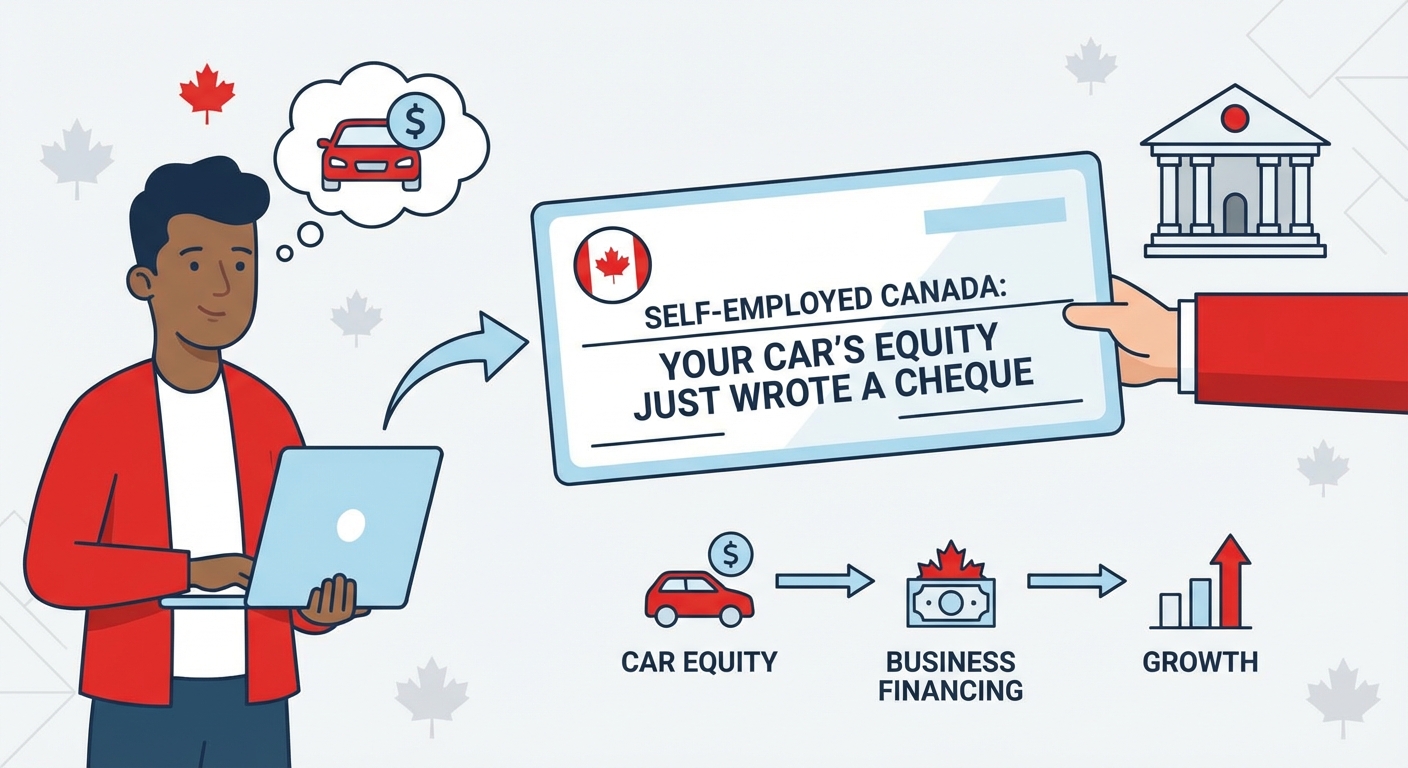
A detailed personal financial statement (PFS) summarizes your assets (cash, investments, property, vehicles) and liabilities (debts, loans, credit card balances). While not directly proving income, it offers a holistic view of your financial health and net worth. A strong PFS can reassure a lender that you have other resources and are financially responsible, even if your income stream is non-traditional. This is particularly helpful in unique financial situations, just as understanding your existing car's equity can be a powerful tool for self-employed individuals seeking financing. For a deeper dive into how your assets can work for you, see our article Self-Employed Canada: Your Car's Equity Just Wrote a Cheque.
Navigating the Lender Landscape: Who Will Say 'Yes' in Vancouver?
Not all lenders are created equal when it comes to financing a car with cash income. Understanding the different types of institutions and their typical approaches can save you time and frustration in your search for a car loan in Vancouver and surrounding areas like Surrey, Richmond, or Burnaby.
The Big Five Banks (RBC, TD, Scotiabank, BMO, CIBC): High Standards, Tougher Approval
Canada's major banks are generally the toughest nut to crack for cash-only income. Their lending criteria are highly standardized, often requiring traditional T4 income, consistent payroll deposits, and a robust credit history. While they offer competitive rates, securing a loan from one of the Big Five with unverified cash income is challenging, usually requiring a very substantial down payment, significant assets, or a co-signer with impeccable traditional income. If you have a long-standing relationship with your bank, sometimes they might be a little more flexible, but don't count on it.
British Columbia's Credit Unions: Your Local Advantage
This is where your search should often begin. Credit unions like Vancity, Coast Capital Savings, G&F Financial Group, or Westminster Savings Credit Union are member-owned and often have more flexible lending policies than big banks. They tend to be more community-focused and willing to look at the "whole picture" of an applicant's financial situation, rather than just strict income boxes. They might be more open to reviewing your detailed documentation, like bank statements and tax returns, to understand your cash income flow. Building a relationship with a credit union beforehand (e.g., having accounts, using their services) can significantly improve your chances.
Pro Tip: Build a Relationship Early
If you anticipate needing a loan in the future and your income is cash-based, start banking with a local credit union now. Regular, consistent deposits into their accounts over several months can help establish your income patterns and build a positive relationship, making your loan application much smoother when the time comes.
Dealership Finance Departments: Convenience vs. Cost
Most car dealerships in Vancouver have finance departments or work with a network of lenders. This can be convenient, as they handle the application process for you. Some dealerships also offer 'buy here, pay here' options, especially for used cars, where they directly finance the vehicle themselves. These options can be more lenient on income verification but often come with higher interest rates. It's crucial to compare their offers against what you might get from a credit union or a specialized lender, as the convenience can sometimes come at a significant cost over the life of the loan.
Specialty & Subprime Lenders: Increased Approval, Higher Rates
These lenders specialize in financing individuals with non-traditional income, poor credit, or other challenging financial profiles. They are often more focused on your ability to pay rather than the source of your income, provided you can demonstrate consistency. While approval odds are higher, be prepared for significantly higher interest rates and potentially shorter loan terms. It's essential to research reputable subprime lenders in Canada and read all terms and conditions carefully. They are a viable option, but one where you need to be particularly vigilant about the costs.
Brokerage Services: Connecting You to the Right Loan
Auto loan brokers, like SkipCarDealer.com, act as intermediaries, connecting you with a network of lenders who are most likely to approve your specific situation. They understand the nuances of various lenders' criteria, including those who are more amenable to cash income. A good broker can save you time, effort, and multiple credit inquiries by directing your application to suitable lenders from the outset. They can be particularly helpful for those with unique financial profiles, including temporary residents looking for car loans, as discussed in our guide on Temporary Resident? Your Down Payment Just Took a Vacation.
Here's a quick comparison of lender types:
| Lender Type | Likelihood for Cash Income | Typical Interest Rates | Pros | Cons |
|---|---|---|---|---|
| Big Five Banks | Low (unless substantial assets/co-signer) | Lowest | Best rates, strong reputation | Strict requirements, less flexible |
| Credit Unions | Moderate to High | Moderate | More flexible, community-focused, personal approach | May require existing relationship, local focus |
| Dealership Finance | Moderate to High | Moderate to High | Convenient, one-stop shopping, 'buy here, pay here' options | Rates can be less competitive, limited options |
| Specialty/Subprime Lenders | High | Highest | High approval odds for challenging profiles | Significantly higher interest rates, stricter terms |
| Auto Loan Brokers | High (matchmaking) | Varies (depending on matched lender) | Connects to suitable lenders, saves time, expert advice | Broker fees possible (though often paid by lender) |
Beyond Income: Fortifying Your Application for Better Terms in Vancouver
While proving your cash income is paramount, it's not the only factor lenders consider. Several other elements of your financial profile can significantly improve your approval odds and help you secure more favourable loan terms, even in a competitive market like Vancouver.
The Down Payment Dynamo: Reducing Lender Risk and Unlocking Better Rates
A substantial down payment is one of the most powerful tools in your arsenal when applying for a car loan with cash income. It directly reduces the amount you need to borrow, thereby lowering the lender's risk. If you default, they have less to recoup. For this reason, a larger down payment often translates into higher approval odds and, crucially, lower interest rates. While there's no magic number, aiming for 10-20% of the vehicle's price is an excellent starting point. In British Columbia, where vehicle prices can be higher, a solid down payment sends a strong signal of your financial commitment and capability.
The Co-Signer Advantage: Sharing the Responsibility
If you're struggling to get approved on your own, a co-signer can be a game-changer. A co-signer is someone with a strong credit history and verifiable traditional income who agrees to take on legal responsibility for the loan if you default. Their financial strength essentially backs your application, dramatically increasing your approval odds and potentially securing you a much better interest rate. However, ensure your co-signer fully understands their obligations, as their credit will be affected if payments are missed.
Credit Score: Your Financial Report Card
Even if your primary income is cash, your credit score still matters. This score reflects your history of managing debt, such as credit cards, lines of credit, or other loans. A good credit score (typically 650+) indicates you are a responsible borrower. Lenders will review this alongside your income documentation. If your credit score is fair or poor, focus on improving it by paying all your bills on time, keeping credit utilization low, and addressing any errors on your credit report. A strong credit history built through other means provides extra reassurance to lenders when your income is non-traditional.
Debt-to-Income Ratio (DTI): A Key Metric
Lenders assess your Debt-to-Income (DTI) ratio to understand how much of your gross monthly income goes towards debt payments. Even with cash income, they'll want to see that your provable income can comfortably cover your proposed car payments plus existing debts (rent/mortgage, credit cards, other loans). A DTI below 40% is generally preferred. Strategies to lower your DTI before applying include paying down existing debts, especially high-interest credit card balances, or choosing a less expensive vehicle that results in a smaller monthly payment.
Choosing the Right Vehicle: Impact on Your Loan
The type of vehicle you choose can also influence your approval and interest rates. Lenders often view newer, lower-mileage used cars or certified pre-owned vehicles as less risky because they hold their value better and are less prone to immediate mechanical issues. An older, higher-mileage vehicle might be harder to finance, or come with higher rates, as the collateral value is lower and the risk of repair costs (which could impact your ability to pay) is higher. A more "financeable" car might be a smart first step to build credit and establish a payment history before upgrading.
What to Expect at the Dealership: Your Vancouver Car Buying Journey
Once you've done your homework and prepared your financial documentation, it's time to hit the dealerships in Vancouver. Approaching this stage with confidence and knowledge can significantly improve your experience and the outcome of your purchase.
Pre-Approval Power: Shop with Confidence
The single best piece of advice for any car buyer, especially one with cash income, is to get pre-approved for a loan before you even step foot on a dealership lot. Pre-approval means you know exactly how much you can spend and at what interest rate. This transforms you from a 'shopper' into a 'cash buyer' in the eyes of the dealership. You can focus purely on negotiating the car's price, rather than being swayed by financing options the dealer presents, which might not be the best for your situation. It gives you immense leverage and simplifies the entire process.
Navigating the Negotiations: Price, Terms, and Trade-ins
With pre-approval in hand, you're in a much stronger position to negotiate. Focus first on the out-the-door price of the vehicle. Be firm but polite. If you have a trade-in, negotiate its value separately from the new car's price. Only after you've agreed on the vehicle price should you discuss the financing terms (if you're considering the dealer's financing as an alternative to your pre-approval, which is always a good idea to compare). Remember, everything is negotiable, from the sticker price to potential add-ons.
Understanding the Fine Print: Interest Rates, Fees, and Loan Terms
Before signing anything, meticulously review the loan agreement. Understand the Annual Percentage Rate (APR), which includes interest and certain fees. Be aware of common fees in British Columbia, such as PPSA (Personal Property Security Act) registration fees, documentation fees, and any extended warranty offers. While extended warranties can offer peace of mind, they also add to your loan amount and total cost. Ensure the loan term (e.g., 60 months, 72 months) aligns with your budget and financial goals. Don't hesitate to ask questions until you fully understand every clause.
The Test Drive and Inspection: Don't Rush It
Never buy a car without a thorough test drive. Pay attention to how the car handles, brakes, accelerates, and feels on various road conditions common in Vancouver. For used cars, a pre-purchase inspection by an independent, trusted mechanic is highly recommended. This small investment can save you from significant repair costs down the road by identifying hidden issues that aren't apparent during a casual inspection. A mechanic can spot potential problems with the engine, transmission, brakes, and suspension, giving you peace of mind or a strong negotiation point.
Insurance Considerations in British Columbia
In British Columbia, car insurance is primarily managed by ICBC (Insurance Corporation of British Columbia). Your insurance rates can significantly impact your overall monthly budget, so it's crucial to get an insurance quote before finalizing your car purchase. Factors like the vehicle's make and model, your driving history, and where you live in British Columbia (e.g., downtown Vancouver versus a quieter suburb) can all influence your premiums. Factor these costs into your overall affordability assessment alongside your car loan payments.
Beyond the Loan: Building Financial Stability and Future Opportunities
Securing a car loan with cash income is a significant achievement, but your financial journey doesn't end there. This loan can be a powerful tool for building a stronger financial future, provided you manage it wisely.
Making Payments On Time, Every Time: Building Positive Credit History
This is arguably the most critical step after approval. Consistent, on-time payments are the foundation of a strong credit history. Every payment you make on time is reported to credit bureaus, gradually improving your credit score. This positive payment history will be invaluable for future financing needs, whether it's another car loan, a mortgage, or a business loan. Set up automatic payments or calendar reminders to ensure you never miss a due date.
Refinancing Your Loan: Lowering Your Rates Down the Road
Once you've established a solid track record of on-time payments (typically 12-18 months) and if your financial situation has improved (e.g., better credit score, more formalized income), consider refinancing your car loan. Refinancing allows you to potentially secure a lower interest rate, which can save you hundreds or even thousands of dollars over the life of the loan. This is especially relevant if you started with a higher interest rate due to your cash income status. For a more detailed look into refinancing options, even with a challenging credit past, explore our guide on Approval Secrets: How to Refinance Your Canadian Car Loan with Bad Credit.
Transitioning to Traditional Income Proof: Easing Future Financing
If your goal is to eventually transition to more traditional financing options (like mortgages or business loans from major banks), start formalizing your cash income. This could involve registering a business, using invoicing software for all transactions (even cash ones), or eventually moving to a payroll system if you employ others or if your cash-paying employer can convert to a formal payroll. The more your income resembles traditional, verifiable earnings, the easier future financial applications will be.
Leveraging Your Car Loan for Future Credit
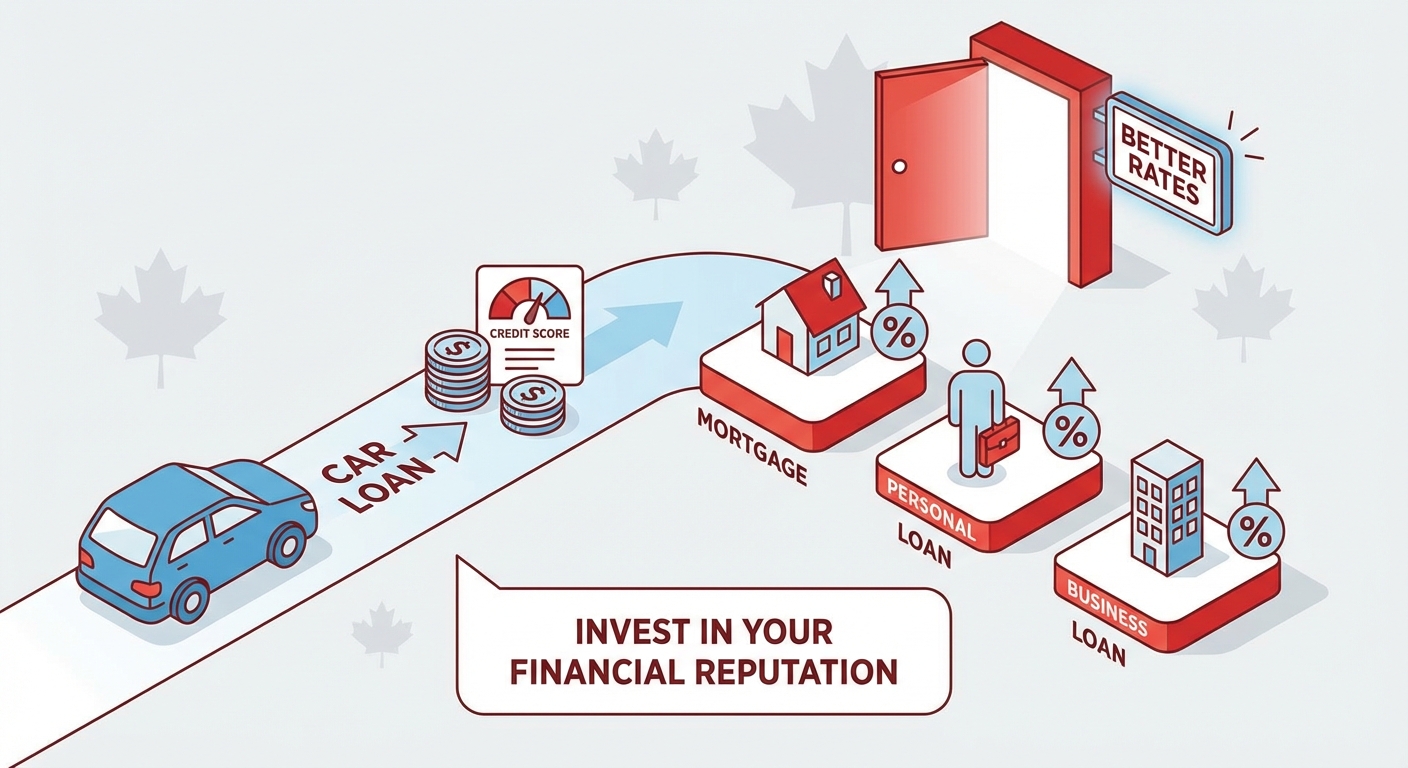
A successfully paid-off car loan is a significant positive mark on your credit report. It demonstrates your ability to manage a substantial debt responsibly. This can act as a stepping stone to other financial products, opening doors to better rates on mortgages, personal loans, or even business expansion loans. View your car loan not just as a means to an end, but as an investment in your financial reputation.
Vancouver & British Columbia Specific Resources for Car Buyers
Navigating the car buying process, especially with unique income situations, can be complex. Thankfully, British Columbia offers several resources to help consumers make informed decisions and protect their rights.
Consumer Protection BC: Understanding Your Rights
Consumer Protection BC is a provincial regulatory body that oversees various consumer transactions, including car sales. They provide valuable information about your rights as a car buyer, common pitfalls to avoid, and what to do if you encounter issues with a dealership. Their website is an excellent resource for understanding sales contracts, warranties, and dispute resolution processes specific to British Columbia.
Credit Counselling Society: Free Resources for Financial Management
The Credit Counselling Society is a non-profit organization that offers free credit counselling, debt management advice, and financial literacy resources. If you're managing cash income, they can help you create a budget, organize your finances, and develop strategies to improve your credit score. Their services are particularly beneficial for those looking to strengthen their overall financial health before applying for major purchases like a car.
Local Dealerships Known for Flexible Financing
While we can't name specific dealerships, many automotive groups across the Greater Vancouver Area (including dealerships in Surrey, Langley, Richmond, and Burnaby) have dedicated finance teams that work with a wide array of lenders. These dealerships often have relationships with credit unions and specialized finance companies that are more accustomed to approving loans for individuals with non-traditional income. It's worth researching dealerships that advertise "all credit welcome" or "flexible financing" and then verifying their reputation through online reviews.
Community Financial Literacy Programs
Numerous community centres and non-profit organizations throughout Vancouver and British Columbia offer financial literacy workshops and programs. These programs can provide practical skills in budgeting, saving, and understanding credit, empowering you to better manage your cash income and prepare for significant purchases. A quick search for "financial literacy programs Vancouver" can point you to local resources.
Your Next Steps to Approval: Final Thoughts on Financing with Cash Income
Securing a car loan with cash income in Vancouver, British Columbia, is not an impossible feat. It simply requires a strategic approach, meticulous preparation, and a clear understanding of what lenders need to see. Your cash income is not a barrier; it's just a different kind of income that needs to be presented effectively.
Preparation is Not Just Key, It's Everything
The core message throughout this guide has been about preparation. Gather your documents well in advance. Organize your bank statements, tax returns, invoices, and any other proof of income. The more comprehensive and clear your financial narrative, the better your chances of approval. This proactive approach demonstrates your responsibility and seriousness to potential lenders.
Be Persistent, But Also Realistic
It might take time, and you might encounter rejections from some lenders, particularly the big banks. Don't get discouraged. Use each interaction as a learning opportunity to refine your application and documentation. Be persistent in seeking out alternative lenders like credit unions and specialized finance companies, but also be realistic about the terms you might initially receive, particularly regarding interest rates.
Focus on Building Your Financial Narrative
Ultimately, your documentation tells a story about your financial reliability and income stability. Make sure it's a compelling one. Show consistent income, responsible financial habits, and a clear ability to manage debt. This narrative will be your strongest asset in transforming cash income into car loan approval.
Start Your Journey Today
Don't wait until you desperately need a car. Begin gathering your documents, organizing your finances, and researching lenders now. The sooner you start, the better prepared you'll be to secure the car loan you need and hit the road with confidence in beautiful British Columbia.