New to Canada? Your Permanent Resident Auto Loan Starts Before Your Credit Does, Vancouver.
Table of Contents
- Key Takeaways: Your Fast Track to a Car Loan as a Permanent Resident with No Canadian Credit History
- Beyond the 'Welcome Wagon': Why a Car Isn't Just a Luxury, It's a Necessity for Newcomers in Vancouver
- The Credit Conundrum: Why 'No Credit History' Doesn't Mean 'No Loan Opportunity' for New Canadians
- Pro Tip: Don't wait to start building credit
- Unpacking the 'Newcomer Auto Loan': What Lenders Really Look For Beyond Your Credit Score
- Pro Tip: Employer Letter as a Powerful Document
- The Great Loan Hunt: Navigating the Labyrinth of Lenders Across Canada (From Vancouver to Halifax)
- Decoding the Dollars: Rates, Fees, and Hidden Traps to Avoid on Your First Canadian Car Loan
- Pro Tip: Request a Full Itemized Breakdown
- Your Application Arsenal: What Documents You Must Have Ready for a Smooth Ride to Approval
- Pro Tip: Organize Meticulously
- Choosing Your Wheels Wisely: New vs. Used, Makes, and Models That Make Sense for Newcomers in British Columbia
- The Dealership Dialogue: How to Negotiate Like a Pro and Avoid Common Pitfalls in British Columbia's Auto Market
- Pro Tip: Research Market Value
- Beyond the Loan: Smart Strategies for Building Your Canadian Credit While You Drive
- Pro Tip: Regularly Monitor Your Credit
- Your Next Steps to Approval: From Application to Ignition in Vancouver
- Frequently Asked Questions for Newcomers Driving in Canada
Arriving in a new country is an exhilarating, life-changing experience. You've navigated the complexities of immigration, secured your Permanent Resident (PR) status, and now you’re ready to build a vibrant life in Canada. For many newcomers landing in a sprawling city like Vancouver, British Columbia, one of the first major hurdles, after finding a place to live and securing employment, is figuring out transportation. Public transit is an option, of course, but the freedom and necessity of owning a car quickly become apparent.
You might be thinking, "How can I get a car loan when I have no Canadian credit history?" It’s a common and completely valid concern. The good news? Your Permanent Resident status is a powerful asset, and lenders in Canada are increasingly recognizing the unique needs and potential of newcomers. Getting an auto loan isn't just possible; it's often a strategic first step in establishing your financial footprint and independence in your new home.
Key Takeaways: Your Fast Track to a Car Loan as a Permanent Resident with No Canadian Credit History
- Your Permanent Resident (PR) status is a significant asset; lenders view it as a sign of stability and long-term commitment to Canada.
- No Canadian credit history isn't a dead end – focus on demonstrating stable income, a healthy down payment, and having all your immigration documents in order.
- Major banks, credit unions, and dealership finance departments all offer specific programs tailored for newcomers. Don't assume you'll be rejected.
- Understanding interest rates, hidden fees, and mandatory insurance costs is crucial to avoid unpleasant surprises and ensure affordability.
- Building your Canadian credit starts the moment you land; your car loan can be a powerful and effective tool for establishing a strong financial foundation.
Beyond the 'Welcome Wagon': Why a Car Isn't Just a Luxury, It's a Necessity for Newcomers in Vancouver
Imagine arriving in one of Canada's most beautiful, yet geographically diverse, cities: Vancouver, British Columbia. While its downtown core boasts excellent public transit, the reality of settling in a new country often means navigating challenges that extend far beyond the city centre. For many Permanent Residents, a car isn't merely a convenience; it's a fundamental tool for integration and opportunity.
Consider the unique challenges of settling in a new, sprawling city like Vancouver without personal transportation. While SkyTrain and bus routes are extensive, they don't always reach every corner where affordable housing or promising job opportunities might be found. Expanding access to employment opportunities outside core transit routes in areas like Surrey, Richmond, and Langley in Greater Vancouver becomes significantly easier with a vehicle. These rapidly growing communities offer diverse job markets that can be difficult, if not impossible, to access reliably and efficiently via public transport, especially for shift work or early morning starts.
Navigating daily life without a car can also be surprisingly complex. From grocery runs, especially for larger families or bulk shopping, to medical appointments that might be further afield, a car provides unparalleled flexibility. Beyond the practicalities, there's the sheer joy of exploring the vast landscapes of British Columbia – from weekend trips to Whistler, the Fraser Valley, or Vancouver Island, a car unlocks the true beauty and recreational opportunities that make living in Canada so appealing. Public transit, while commendable, simply cannot offer the same freedom to discover your new province at your own pace.
Let's consider a practical comparison: public transit costs versus the true cost of car ownership. While a monthly transit pass in Vancouver might seem affordable, consider the time lost, the limited reach, and the potential need for ride-sharing services for specific trips. Car ownership, while involving fuel, maintenance, and insurance specific to British Columbia (primarily through ICBC), offers a different value proposition. For a family, multiple transit passes can quickly add up, sometimes approaching or even exceeding the cost of a car payment, especially for a fuel-efficient used vehicle. When you factor in the time saved, the added convenience, and the expanded opportunities, the investment in a car often pays dividends in quality of life.
Finally, there's the often-underestimated psychological impact. Gaining independence, reducing the stress of navigating an unfamiliar transit system, and fostering a deeper sense of integration for new Permanent Residents cannot be overstated. A car gives you control, confidence, and the ability to feel truly settled in your new Canadian life.
The Credit Conundrum: Why 'No Credit History' Doesn't Mean 'No Loan Opportunity' for New Canadians
Upon arriving in Canada, many Permanent Residents encounter a common hurdle: the Canadian credit system. What exactly is a credit score, how is it built, and why does it matter? In Canada, your credit score is a three-digit number, typically ranging from 300 to 900, that lenders use to assess your creditworthiness. It's generated by credit bureaus like Equifax and TransUnion based on your borrowing and repayment history. A higher score indicates a lower risk to lenders, making it easier to get approved for loans, mortgages, and even rental agreements down the line.
The immediate challenge for newcomers is that this system relies on your Canadian financial history. If you've just arrived, you simply haven't had the opportunity to build that history, leading to what's often referred to as 'no credit' or 'thin credit.' This often leads to the dispelling the common misconception that lenders only look at your credit score. While a strong credit score is certainly beneficial, it's not the only factor. Lenders understand that new Canadians are a unique demographic, and they are increasingly adopting a broader picture approach.
This is where 'alternative data' and 'newcomer programs' come into play. Progressive lenders recognize that a lack of Canadian credit history doesn't equate to a lack of financial responsibility. They adapt their criteria specifically for Permanent Residents, looking at other indicators of stability and your ability to repay a loan. This might include your employment history, income stability, banking relationships, and even your immigration status itself as a sign of long-term commitment. Instead of solely relying on a credit score that doesn't yet exist, they piece together a comprehensive financial profile using the information you do have.
Pro Tip: Don't wait to start building credit
Opening a Canadian bank account, getting a secured credit card, and paying utility bills on time can lay crucial groundwork even before you apply for an auto loan. These small, consistent steps demonstrate financial responsibility and start establishing a positive history with Canadian financial institutions. Even if these don't immediately impact your credit score, they show a pattern of reliable payments that some lenders will consider.
Unpacking the 'Newcomer Auto Loan': What Lenders Really Look For Beyond Your Credit Score
When you're applying for an auto loan as a Permanent Resident with no Canadian credit history, lenders shift their focus from a non-existent score to other, equally important indicators of your financial health and reliability. Understanding these factors will allow you to present the strongest possible application.
- Your Immigration Status & Stability: Your Permanent Resident card isn't just an identification document; it's a powerful signal to lenders. It demonstrates your long-term commitment to living and working in Canada. Lenders view PR status as a strong indicator of stability, suggesting you're here to stay, build a life, and therefore, likely to fulfill long-term financial obligations. The length of your residency, even if short, combined with your PR status, underscores your long-term prospects.
- Proof of Income & Employment Stability: This is arguably the most critical factor. Lenders want to see that you have a consistent and reliable source of income to comfortably make your monthly car payments. Solid job offer letters, employment contracts, and recent pay stubs (typically the last 3-6 months) are indispensable. Demonstrating consistent income, ideally from a permanent position, will significantly boost your application. The Canadian job market, whether in bustling Toronto, dynamic Montreal, or rapidly growing Vancouver, values stability, and so do lenders. For those with less traditional employment, like contract or gig work, demonstrating consistent income can still be achieved. For more on how diverse income streams can secure financing, check out our guide on Banks Need Pay Stubs. We Need Your Drive. Gig Worker Car Loans.
- The Power of Your Down Payment: A substantial down payment (10-20% or more of the vehicle's price) is a game-changer. It not only reduces the amount you need to borrow, which makes the loan less risky for the lender, but it also shows your commitment and financial discipline. A larger down payment can significantly improve your approval odds, lead to lower interest rates, and reduce your monthly payments, making the loan more manageable overall.
- Banking Relationship & History: Even short-term Canadian bank statements (typically the last 3-6 months) can demonstrate financial responsibility and consistent cash flow. Lenders look for steady deposits (your paycheques), responsible spending habits, and an absence of frequent overdrafts. A positive banking relationship, even if nascent, tells a story of financial management. For a deeper dive into how your banking activity can influence loan approvals, explore our article on Vancouver Auto Loans: Where Your Bank Statements Are the Boss.
- Potential for a Co-signer or Guarantor: If you have a family member or close friend in Canada with established credit and a stable income who is willing to co-sign your loan, this can significantly strengthen your application. A co-signer essentially guarantees the loan, meaning they are legally responsible for the payments if you default. This reduces the risk for the lender and can help you secure better terms. However, both parties must understand the shared responsibilities involved.
Pro Tip: Employer Letter as a Powerful Document
A letter from your employer confirming your permanent employment status, your salary, and your start date can be an incredibly powerful document for lenders, especially if you're new to the job. It provides official verification of your income stability and long-term prospects, directly addressing one of their primary concerns.
The Great Loan Hunt: Navigating the Labyrinth of Lenders Across Canada (From Vancouver to Halifax)
Finding the right auto loan as a newcomer in Canada can feel like a complex journey, but thankfully, a variety of lenders across the country are equipped to help Permanent Residents. Understanding your options is the first step to securing favorable terms.
Major Canadian Banks: Canada's large banks are often the first stop for many. Institutions like TD Canada Trust, RBC (Royal Bank of Canada), Scotiabank, BMO (Bank of Montreal), and CIBC (Canadian Imperial Bank of Commerce) all have dedicated newcomer programs. While their requirements might be more stringent, they offer competitive rates if you meet their criteria. These programs are specifically designed to consider factors beyond a traditional credit score, focusing on your immigration status, employment, and down payment. It's worth comparing their specific requirements, as they can vary slightly from one bank to another.
Credit Unions: Often more flexible and community-focused than major banks, credit unions can be an excellent option for newcomers. They tend to take a more holistic view of your financial situation, sometimes valuing personal relationships and local ties more heavily. Examples include Vancity in British Columbia, a credit union known for its community involvement and progressive lending, or Alterna Savings in Ontario. Their lending decisions might be more personalized, making them more accommodating to applicants with no established credit history.
Dealership Finance Departments: The convenience of one-stop shopping at a dealership can be very appealing. Dealership finance departments work with a network of lenders – including major banks, credit unions, and specialized lenders – to find financing solutions for their customers. While this can streamline the process, it's essential to be aware that rates might sometimes be less competitive than if you secured pre-approval directly from a bank or credit union. However, they are often adept at navigating complex situations, including those of newcomers, and can sometimes find options you might not discover on your own.
Specialized Newcomer Lenders & Brokers: A growing number of niche companies and brokers focus specifically on new Canadians. These lenders understand the unique challenges of establishing credit in a new country and have programs tailored to Permanent Residents. Brokers, in particular, act as intermediaries, leveraging their relationships with multiple lenders to find the best possible terms for your specific situation. They can be invaluable in navigating complex situations and matching you with lenders who are most likely to approve your application.
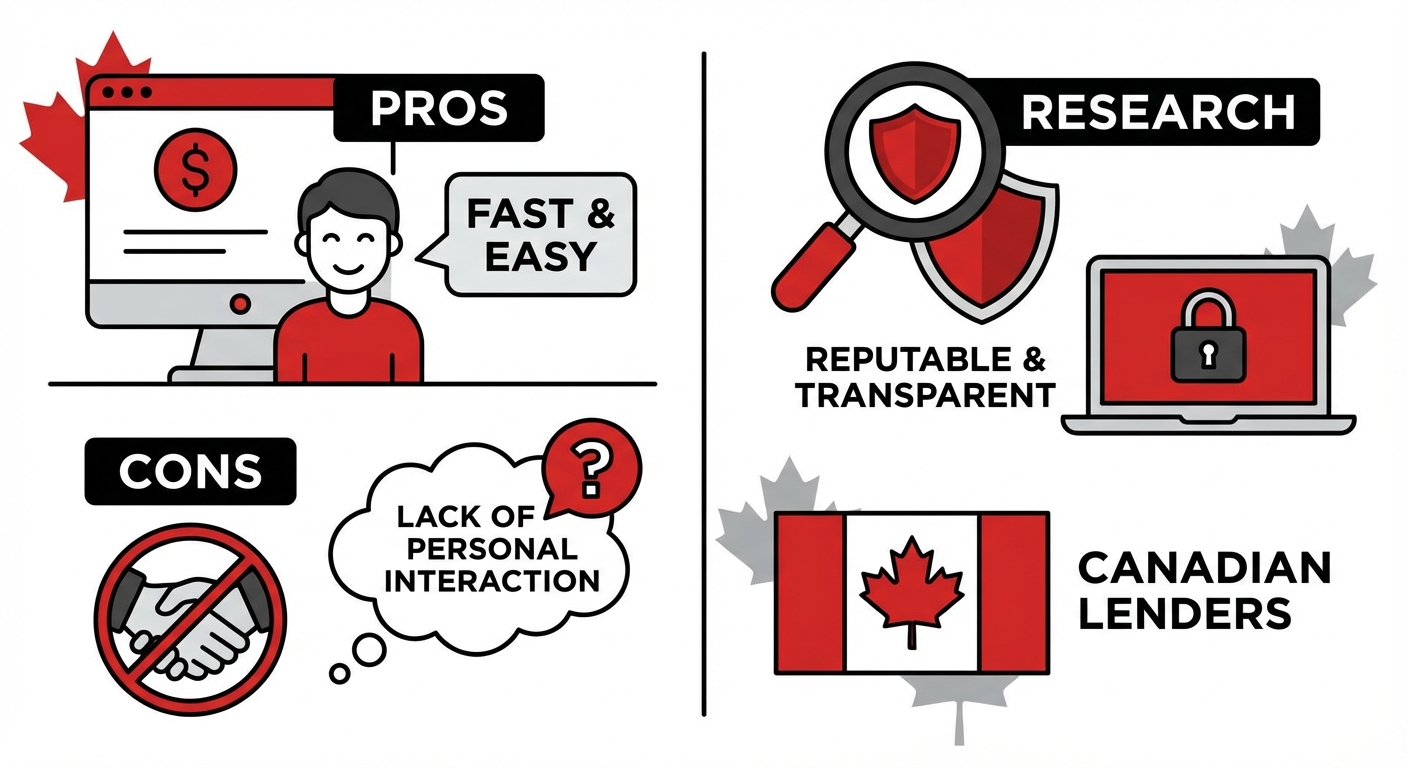
Online Lenders: The digital landscape has introduced a host of online lenders. The pros of digital applications for Permanent Residents include speed and convenience, allowing you to apply from anywhere in Canada – be it Vancouver, Calgary, or Halifax. However, the cons can include a lack of personal interaction, which some newcomers might prefer when discussing their unique financial circumstances. It's crucial to research online lenders thoroughly to ensure they are reputable and transparent.
Decoding the Dollars: Rates, Fees, and Hidden Traps to Avoid on Your First Canadian Car Loan
Securing a car loan involves more than just the monthly payment. Understanding the total cost, including interest rates, fees, and insurance, is crucial for any Permanent Resident to avoid unpleasant surprises and ensure long-term affordability.
- Understanding Interest Rates: Car loans typically come with either fixed or variable interest rates. A fixed rate means your interest payment remains the same for the life of the loan, offering predictability. A variable rate can fluctuate with market conditions, potentially saving you money if rates drop but costing more if they rise. As a Permanent Resident with no established credit history, you should realistically expect rates to be higher than for established residents with excellent credit. These could range from the high single digits to low double digits (e.g., 8% to 15% or even higher), heavily depending on your down payment, income stability, and the specific newcomer programs available. While initially higher, these rates are often manageable and serve as a stepping stone to better rates on future loans as you build your credit.
- The 'APR' Explained: The Annual Percentage Rate (APR) is perhaps the most important number for comparing loan offers. It represents the true annual cost of borrowing, including not only the interest rate but also most fees associated with the loan. Always compare APRs, not just interest rates, to get an accurate picture of the total cost from different lenders.
- Unmasking Hidden Fees and Charges: Be vigilant about potential hidden fees. Common charges can include loan origination fees (a fee for processing the loan), administration fees, PPSA (Personal Property Security Act) registration fees (for registering the lien on the vehicle, common across Canada), and documentation charges. These can add hundreds of dollars to your loan. Always ask for a detailed breakdown of all fees.
- Mandatory Insurance Requirements: Car insurance is not optional in Canada. The critical role of collision and comprehensive insurance is paramount, especially when financing a vehicle, as lenders require you to protect their asset. In provinces like British Columbia, basic mandatory auto insurance is provided by the provincial Crown corporation, ICBC. You will then purchase additional optional coverage (collision, comprehensive, extended liability) either from ICBC or a private insurer. In Ontario, the market is entirely private. Be prepared for potentially higher initial premiums as a new driver or someone without a long Canadian driving history.
- Prepayment Penalties: Before signing, understand if you can pay off your loan early without incurring additional costs. Some loans include prepayment penalties, which are fees charged if you pay off the principal before the scheduled end date. This is important if you anticipate being able to pay off your loan faster than initially planned.
Pro Tip: Request a Full Itemized Breakdown
Always request and meticulously review a fully itemized breakdown of all costs, including the total interest paid over the life of the loan, before signing any agreement. Don't hesitate to ask for clarification on anything you don't understand. A reputable dealer or lender will be transparent about all charges.
Your Application Arsenal: What Documents You Must Have Ready for a Smooth Ride to Approval
Preparation is key to a smooth and successful car loan application. As a Permanent Resident, having all your documentation meticulously organized will not only streamline the process but also convey professionalism and reliability to lenders. Here’s your essential application arsenal:
-
Immigration Documents:
- Your Permanent Resident card.
- Confirmation of Permanent Residence (COPR) document.
- Your valid passport.
-
Proof of Identity & Residency:
- Your Canadian provincial driver's license (e.g., from British Columbia, Ontario, or Alberta). If you don't have one yet, an international driver's license combined with proof you are working towards a provincial license might be accepted by some lenders.
- Recent utility bills (hydro, gas, internet) in your name, demonstrating your current address in Vancouver, Calgary, or your city of residence.
- A current lease agreement or mortgage statement.
-
Proof of Income:
- A formal employment letter from your current employer, stating your position, start date, salary, and employment status (e.g., permanent, full-time).
- Your last 3-6 months of pay stubs.
- Your job contract, if applicable.
- Tax documents (if you've filed Canadian taxes already) can also be helpful.
-
Banking Information:
- Your last 3-6 months of Canadian bank statements, demonstrating consistent account activity, direct deposits of your salary, and responsible management of your finances.
-
Down Payment Proof:
- A bank statement clearly showing the funds available for your down payment. This verifies your ability to make the initial lump sum payment.
Pro Tip: Organize Meticulously
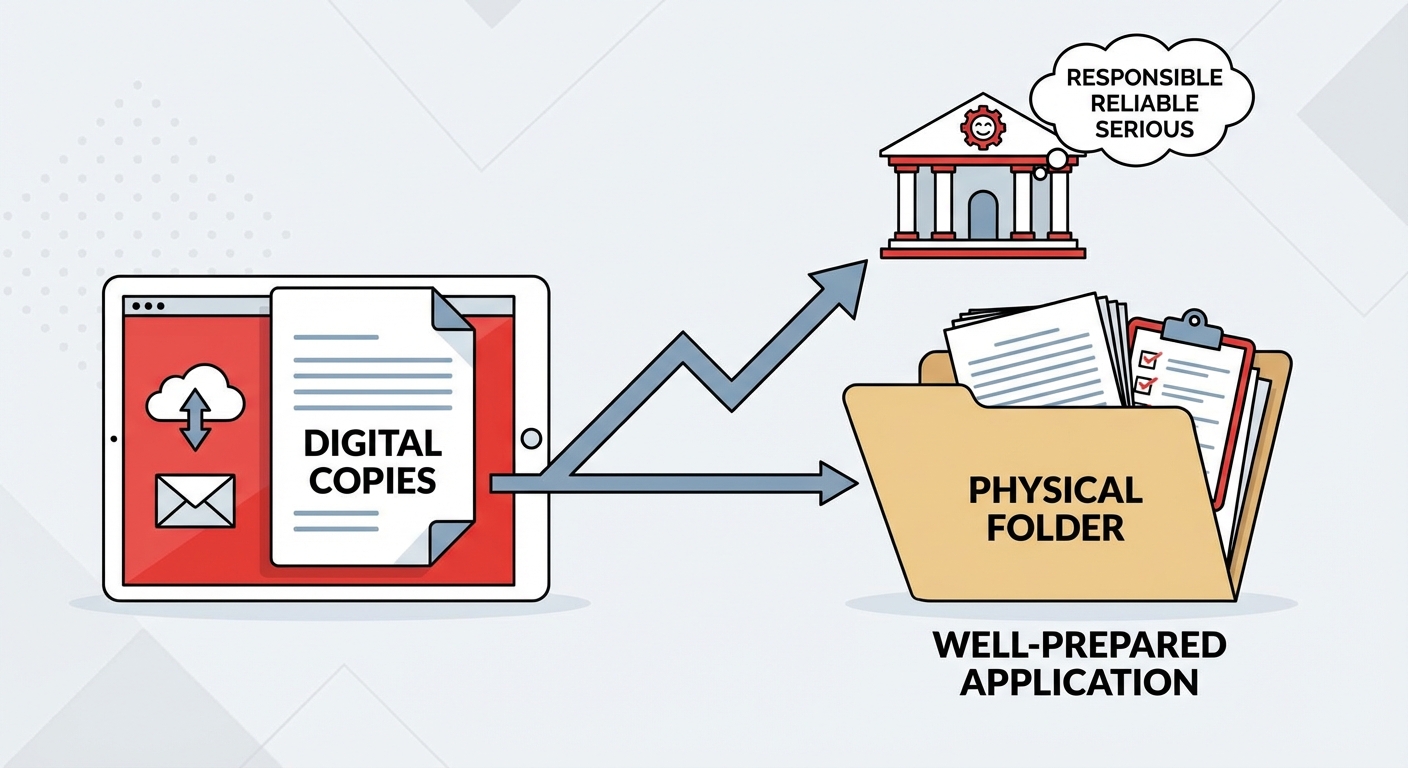
Organize all your documents meticulously, both digitally (scanned copies) and in a physical folder. A well-prepared and comprehensive application signals responsibility and seriousness to lenders, demonstrating that you are organized and reliable, which can subtly influence their perception of you as a borrower.
Choosing Your Wheels Wisely: New vs. Used, Makes, and Models That Make Sense for Newcomers in British Columbia
Selecting the right vehicle is as crucial as securing the right loan, especially for newcomers balancing budget with necessity. Your choice will impact not just your initial outlay but also long-term operating costs in British Columbia and across Canada.
| Feature | New Car Advantages | New Car Disadvantages |
|---|---|---|
| Initial Cost | Latest features, full warranty, zero odometer. | Higher purchase price, higher depreciation immediately after purchase. |
| Depreciation | None immediately. | Significant depreciation in the first 1-3 years. |
| Reliability | Full factory warranty, no prior owner issues. | None. |
| Insurance | Potentially higher premiums due to higher replacement value. | Potentially higher premiums. |
| Feature | Used Car Advantages | Used Car Disadvantages |
|---|---|---|
| Initial Cost | More affordable purchase price, lower depreciation. | Fewer latest features. |
| Depreciation | Most significant depreciation has already occurred. | Already incurred. |
| Reliability | Can be very reliable if well-maintained and inspected. | Potential for maintenance issues, unknown history. |
| Insurance | Generally lower premiums due to lower replacement value. | Generally lower premiums. |
For most newcomers, a reliable used car often offers better value due to lower depreciation, more affordable insurance, and a smaller overall financial commitment. Focus on vehicle brands renowned for durability and strong resale value, such as Toyota, Honda, and Mazda. These brands are known for their reliability, which minimizes long-term maintenance costs and provides peace of mind.
Fuel efficiency is another significant factor in daily operating costs, especially with fluctuating gas prices in Vancouver and across Canada. Choosing a vehicle with good fuel economy will save you money every time you fill up. Additionally, consider how specific models can influence your insurance premiums in provinces like British Columbia (ICBC) and Ontario. Some cars, particularly those with higher theft rates or more powerful engines, can lead to significantly higher insurance costs.
Beyond the loan, crucial considerations for budgeting include fuel, maintenance, parking, and unexpected repairs. A car is an ongoing expense, whether you're driving in Edmonton, Alberta, or Ottawa, Ontario. Factor in regular oil changes, tire rotations, seasonal tire changes (mandatory in some parts of British Columbia during winter), and a contingency fund for unforeseen repairs. Parking can also be a significant expense in metropolitan areas.
The Dealership Dialogue: How to Negotiate Like a Pro and Avoid Common Pitfalls in British Columbia's Auto Market
Navigating the car dealership experience can be intimidating, especially in a new country. However, armed with the right knowledge, you can negotiate effectively and avoid common pitfalls in British Columbia's competitive auto market.
- The Power of Pre-Approval: Why secure a loan pre-approval before stepping onto a dealership lot? It gives you significant leverage. With pre-approval in hand, you walk into the dealership as a cash buyer, knowing exactly how much you can spend and at what interest rate. This allows you to focus solely on negotiating the vehicle price, rather than getting entangled in a combined vehicle and financing negotiation.
- Understanding the 'Out-the-Door' Price: Don't just focus on the monthly payment amount. This is a common tactic used by dealerships to obscure the total cost. Instead, negotiate the 'out-the-door' price, which includes the vehicle's price, all taxes, fees, and any agreed-upon add-ons. This ensures you know the total financial commitment before you sign.
- Avoiding Unnecessary Add-ons: Critically evaluate rust proofing, extended warranties, paint protection, fabric protection, and other extras. While some might offer value, many are high-profit items for the dealership with questionable long-term benefits. Discern their true value to you and be prepared to decline what you don't need. For insights into recognizing potentially unfavourable deals, it's wise to review guides like Unmasking 'Bad Credit' Car Lenders: Red Flags You Miss, Quebec.
- Test Driving & Independent Inspection: The absolute importance of thoroughly testing the vehicle cannot be overstated. Drive it on different road types, including highways and city streets. For used cars, always consider a pre-purchase inspection by an independent mechanic. This small investment can save you from significant repair costs down the line by identifying hidden issues.
- Knowing When to Walk Away: Recognize red flags, such as high-pressure sales tactics, unwillingness to provide transparent pricing, or refusal to allow an independent inspection. Be prepared to explore other options within the Greater Vancouver area or other markets if a deal doesn't feel right. There are always other cars and other dealerships.
Pro Tip: Research Market Value
Research the market value of your desired car using reputable resources like Canadian Black Book or AutoTrader before engaging in negotiations at the dealership. Knowing the fair market price empowers you to negotiate confidently and ensures you're not overpaying.
Beyond the Loan: Smart Strategies for Building Your Canadian Credit While You Drive
Your car loan is not just a means to get around; it's a powerful tool for building a solid credit history in Canada. By managing it wisely, you can establish a strong financial foundation that will benefit you for years to come.
- Making Timely Payments: This is the absolute cornerstone of good credit. Ensuring every car loan payment is made on or before its due date is paramount. Payment history accounts for the largest portion of your credit score, so consistency here is key. Even a single missed payment can significantly hurt your score.
- Secured Credit Cards: A low-risk and highly effective way to immediately start building a positive credit history. You deposit a sum of money (e.g., $500) with a financial institution, which then becomes your credit limit. Using this card responsibly and paying the balance in full each month demonstrates your ability to manage credit. For more on building credit from scratch, even if you’re not a student, the principles in No Credit? Your Student Card Just Unlocked a Car Loan in Toronto can be highly relevant.
- Reporting Rent Payments: In Canada, rent payments are not typically reported to credit bureaus by default. However, services are emerging that allow you to report your consistent rent payments to Canadian credit bureaus, helping to build your credit history. Explore these options to leverage your largest regular expense.
- Utility Payments: While utility payments (electricity, gas, internet) aren't directly factored into your credit score, consistent and timely payment of these bills can indirectly contribute to your financial reputation. If you default on utility payments, it can lead to collections, which will negatively impact your credit. Conversely, a history of on-time payments demonstrates overall financial responsibility.
- Small Installment Loans: Beyond your car loan, taking out other small installment loans (e.g., for a new appliance) and repaying them diligently can help diversify your credit mix and demonstrate responsible borrowing across different types of credit.
Pro Tip: Regularly Monitor Your Credit
Regularly monitor your credit score and credit report using free services like Credit Karma or Borrowell. Understanding your credit profile empowers you to make informed financial decisions, spot any discrepancies or errors, and track your progress in building a strong credit history.
Your Next Steps to Approval: From Application to Ignition in Vancouver
Ready to get behind the wheel? Here’s a clear, actionable roadmap to securing your Permanent Resident auto loan and driving away in Vancouver:
- Step 1: Financial Self-Assessment: Accurately determine your budget, available down payment, and realistic monthly payment capacity. Be honest with yourself about what you can comfortably afford, considering all car-related expenses (insurance, fuel, maintenance).
- Step 2: Document Gathering: Proactively compile your complete 'Application Arsenal' – immigration documents, proof of identity, income, banking, and down payment proof. Having everything organized will make the application process much faster and smoother.
- Step 3: Lender Research & Pre-Approval: Contact various banks, credit unions, and specialized lenders to compare their newcomer auto loan programs and secure pre-approval. This step is crucial for understanding your borrowing power and securing the best possible rates.
- Step 4: Vehicle Selection: Choose a car that perfectly aligns with your needs, budget, and long-term financial goals. Prioritize reliability, fuel efficiency, and appropriate size for your lifestyle in British Columbia.
- Step 5: Negotiation & Finalization: Skillfully negotiate the best possible deal on both the vehicle and the financing terms. Don't be afraid to ask questions, decline unnecessary add-ons, and walk away if the offer isn't right for you.
- Step 6: Drive Away & Build Credit: Enjoy the independence your new car brings! Crucially, commit to responsible financial habits – especially making timely loan payments – that will strengthen your credit in Canada and set you up for future financial success.