The Library Card Is Enough. Your Car Loan, Edmonton.
Table of Contents
- Key Takeaways
- The Solo Driver's Starting Line: Why Getting a Car Loan Without a Co-Signer in Edmonton Matters
- Unlocking Your Borrowing Potential: What Lenders Really Look For in a Student
- Income Consistency is King
- The Power of Your Payment History
- Debt-to-Income Ratio (DTI) for Students
- Residency Stability in Edmonton
- Enrollment Verification
- Your Financial Blueprint: Crafting a Bulletproof Budget for Car Ownership in Alberta
- The True Cost of a Car: Beyond the Sticker Price
- Alberta Auto Insurance Realities
- Fueling Your Ride in Edmonton
- Maintenance & Repairs
- Parking & Permitting in Edmonton
- Registration & Licensing in Alberta
- Navigating Edmonton's Lending Landscape: Where to Find Your Solo Car Loan
- Traditional Banks (e.g., RBC, TD, CIBC in Edmonton)
- Alberta Credit Unions (e.g., Servus Credit Union, ATB Financial)
- Dealership Financing in Edmonton
- Online Lenders and Specialty Finance Companies
- Peer-to-Peer Lending Platforms
- Your Application Arsenal: Documents Every Student Needs for Approval in Edmonton
- The Interest Rate Conundrum: What Edmonton Students Can Expect and How to Improve It
- Understanding APR (Annual Percentage Rate)
- Factors Influencing Student Interest Rates
- Strategies for Lowering Your Rate
- The Impact of a Down Payment
- The Risk of High-Interest Loans
- Smart Wheels for Smart Minds: Choosing the Right Vehicle for Your Edmonton Student Life
- New vs. Used: The Student's Dilemma
- Reliability is Key
- Fuel Efficiency Matters
- Winter-Ready Vehicles
- Insurance Impact
- The Pre-Purchase Inspection
- Building Your Financial Legacy: How a Solo Car Loan Boosts Your Credit Score in Alberta
- The Components of Your Credit Score
- How a Car Loan Directly Impacts Each Component
- The Ripple Effect
- Tips for Responsible Loan Management
- Avoiding the Potholes: Common Pitfalls and Consumer Protection for Alberta Borrowers
- Beware of 'Guaranteed Approval' Scams
- Understanding the Fine Print
- Dealer Add-ons
- Your Rights as a Consumer in Alberta
- The Importance of Saying 'No'
- Edmonton's Support Network: Resources for Student Drivers and Financial Literacy
- Your Keys to Independence: The Next Steps for Your Edmonton Car Loan Journey
- Frequently Asked Questions (FAQ) About Student Car Loans Without a Co-Signer in Edmonton
Navigating the bustling streets of Edmonton as a university or college student often brings with it a unique set of challenges. Between lectures, study sessions at Rutherford Library, part-time jobs, and the desire for a social life, reliable transportation can feel less like a luxury and more like a necessity. Forget waiting for the bus in a -30°C Alberta winter; the dream of having your own set of wheels is real. But for many students, the road to car ownership hits a familiar roadblock: "How do I get a car loan without a co-signer when I have limited credit history and a student budget?"
At SkipCarDealer.com, we understand this dilemma. We're here to tell you that the answer isn't just a hopeful maybe; it's a resounding yes. Your journey to financial independence and solo car ownership in Edmonton is absolutely achievable. Just like your library card grants you access to a world of knowledge, understanding your financial potential and preparing diligently can unlock the car loan you need. This comprehensive guide will equip you with everything you need to know, from demonstrating income to choosing the right lender, ensuring you can confidently drive off the lot on your own terms.
Key Takeaways
- Your financial independence begins with understanding your credit potential, even with a limited history.
- Demonstrating a consistent income, no matter how modest, is crucial for loan approval.
- Budgeting for the total cost of car ownership in Edmonton (insurance, fuel, maintenance) is as important as the loan itself.
- Explore various lenders – from traditional banks to credit unions and dealership financing – to find the best fit for your student status.
- A solo car loan, responsibly managed, can be a powerful tool for building a strong credit history in Alberta.
The Solo Driver's Starting Line: Why Getting a Car Loan Without a Co-Signer in Edmonton Matters
Edmonton, a vibrant city with a thriving student population at institutions like the University of Alberta, MacEwan University, NAIT, and Concordia University of Edmonton, presents unique transportation challenges. Public transit, while extensive, doesn't always align with a student's unpredictable schedule. Imagine finishing a late-night study session, heading to a part-time job across town, or needing to visit family outside the city limits. A personal vehicle offers unparalleled flexibility, convenience, and safety, especially when the mercury drops significantly.
For many students, the idea of getting a car loan often comes with the unspoken assumption that a parent or guardian will need to co-sign. While a co-signer can certainly make the process easier by adding their established credit and income to your application, it's not always feasible or, frankly, desired. The desire for financial autonomy is a powerful motivator. Taking on a car loan independently means you're building your own financial legacy, taking full responsibility, and proving your capability to manage significant debt. This journey aligns perfectly with the 'library card' metaphor – you're checking out a significant financial commitment, but you're doing it yourself, proving your ability to be a responsible borrower.
Dispelling the myth that students can't get car loans without a co-signer is crucial. Lenders are increasingly recognizing the potential in young, responsible borrowers. They understand that today's student is tomorrow's professional. The long-term benefits of establishing independent credit early in your academic career are immense. A successfully repaid car loan demonstrates financial maturity, opens doors to future financial products like mortgages or business loans, and can significantly improve your credit score, leading to better interest rates down the line. It's not just about getting a car; it's about laying a foundation for your financial future in Alberta.
Unlocking Your Borrowing Potential: What Lenders Really Look For in a Student
When you apply for a car loan in Edmonton, lenders aren't just looking at a single number. They're assessing your overall financial picture, trying to determine your capacity and willingness to repay the loan. As a student, you might not have a lengthy credit history or a six-figure salary, but you possess other valuable assets. Here's what lenders truly scrutinize and how you can present yourself as a reliable borrower:
-
Income Consistency is King
Even part-time or seasonal student employment can be incredibly powerful. Whether you work on campus, at a local café, or during summer breaks, consistent income demonstrates an ability to earn and manage money. Lenders want to see a steady flow of funds. Provide recent pay stubs, employment letters detailing your hours and pay rate, or bank statements showing regular direct deposits. Don't underestimate the value of even a modest, consistent income. For those with less conventional income streams, like gig work, demonstrating consistent deposits over several months can be key. For more on this, check out our guide on Uber Driver Car Loan: Your Phone *Is* Your Pay Stub.
-
The Power of Your Payment History
You might not have a car loan yet, but you likely have other bills. Paying your rent on time, consistently covering utility bills (electricity, internet), or responsibly managing a student credit card all contribute to a positive payment history. These actions demonstrate reliability and a commitment to meeting financial obligations. Lenders can often verify these through credit reports or by requesting proof of payment for rent and utilities.
-
Debt-to-Income Ratio (DTI) for Students
Your DTI is a critical metric. It's the percentage of your gross monthly income that goes towards debt payments. For students, this often includes existing student loans (even if payments are deferred), credit card balances, or other personal loans. Lenders prefer a lower DTI, as it indicates you have enough disposable income to comfortably make new car loan payments. Be transparent about your existing debts and show how you plan to manage them alongside a new car payment.
-
Residency Stability in Edmonton
Demonstrating a consistent address can be a positive factor. Whether you live on-campus in residence, off-campus in a rented apartment, or at a parental home in Edmonton or a surrounding community like Sherwood Park or St. Albert, showing stability indicates a lower risk profile. Provide documents like a lease agreement or utility bills addressed to you.
-
Enrollment Verification
Proof of enrollment at an accredited Alberta institution like the University of Alberta or MacEwan University can be a unique asset. Some lenders offer student-specific loan programs or look favourably upon students, recognizing their future earning potential. An acceptance letter, current transcript, or student ID can serve as verification.
Pro Tip: Building Micro-Credit Early
Before applying for a car loan, consider securing a small, secured credit card or a student-specific credit card. Use it responsibly for small purchases (like groceries or gas) and pay it off in full each month. This quickly establishes a positive payment history, a gold star for future loan applications. Even a few months of diligent use can make a difference. For those starting with absolutely no credit, this is an excellent first step. You might also find our article Zero Credit? Perfect. Your Canadian Car Loan Starts Here particularly helpful.
Your Financial Blueprint: Crafting a Bulletproof Budget for Car Ownership in Alberta
Securing a car loan is just one piece of the puzzle. The true cost of car ownership extends far beyond the monthly payment. For students, ignoring these additional expenses can quickly lead to financial strain. Crafting a bulletproof budget is essential for sustainable car ownership in Alberta.
The True Cost of a Car: Beyond the Sticker Price
When you take out a car loan, you're agreeing to repay the principal amount (the cost of the car) plus interest over a set period. Understanding the amortization schedule – how your payments are split between principal and interest over time – is crucial. Early payments often cover more interest, while later payments reduce more of the principal. A responsible budget considers these elements, ensuring your monthly payment is manageable alongside all other expenses.
Alberta Auto Insurance Realities
Auto insurance is mandatory in Alberta, and it can be a significant expense, especially for younger drivers. Factors affecting student premiums in Edmonton include your age, driving record, the type of vehicle you drive, where you live (urban vs. rural), and even your academic performance (some insurers offer 'good student' discounts). Shop around, compare quotes from multiple providers, and ask about student discounts or multi-policy bundles (e.g., combining with tenant insurance). Opting for higher deductibles can lower your monthly premium, but ensure you can cover that deductible if you need to make a claim.
Fueling Your Ride in Edmonton
Gas prices in Alberta fluctuate, and your fuel costs will depend on your commute, driving habits, and the vehicle's fuel efficiency. If you're commuting from Spruce Grove to the University of Alberta daily, your fuel budget will be significantly higher than someone driving short distances within central Edmonton. Factor in weekly or bi-weekly fill-ups, using current average prices as a guideline. Consider fuel-efficient vehicles to minimize this ongoing cost.
Maintenance & Repairs
Cars need regular care: oil changes, tire rotations, brake inspections, and occasional repairs. Budgeting for these is non-negotiable. A general rule of thumb is to set aside $50-$100 per month for maintenance, even if it's just accumulating in a savings account for larger, unexpected repairs. A pre-purchase inspection by an independent mechanic is paramount for used cars to uncover potential costly issues before you buy.
Parking & Permitting in Edmonton
Don't forget parking costs! Campus parking passes at institutions like U of A or MacEwan can range from hundreds to over a thousand dollars per year. If you live off-campus, you might need a residential parking permit for specific zones, and downtown parking can be expensive. Always factor these into your monthly budget.
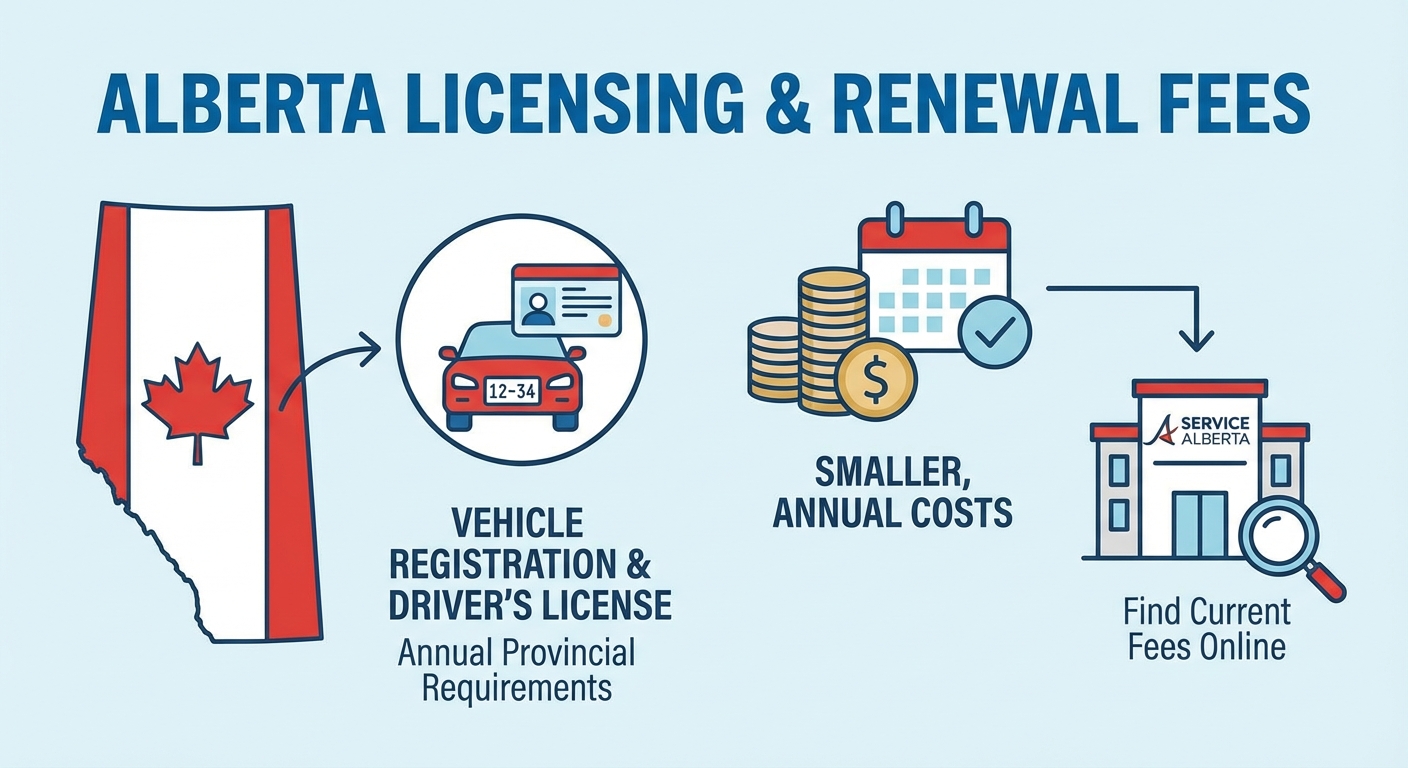
Registration & Licensing in Alberta
Annual vehicle registration and driver's license renewal fees are provincial requirements in Alberta. These are typically smaller, annual costs but need to be accounted for. You can find current fees through Service Alberta.
Pro Tip: The 'Total Cost of Ownership' Calculator
Utilize online calculators that factor in depreciation, insurance, fuel, and maintenance for specific vehicle models. Websites like CAA or even manufacturer sites often have these tools. This will give you a much more realistic picture than just the monthly loan payment, especially for a student budget in Alberta's climate. It helps you see the whole financial picture before committing.
Navigating Edmonton's Lending Landscape: Where to Find Your Solo Car Loan
As a student in Edmonton seeking a car loan without a co-signer, you have several avenues to explore. Each type of lender has its own advantages and considerations, especially for those with limited credit history. Understanding these options will help you make an informed decision.
Traditional Banks (e.g., RBC, TD, CIBC in Edmonton)
Major banks are often the first stop for many borrowers. They typically offer competitive interest rates for well-qualified applicants. For students, an existing banking relationship (chequing account, student credit card) can sometimes be an advantage, as the bank already has some insight into your financial habits. However, traditional banks often have stricter credit history and income requirements, which can be challenging for students without a co-signer. They may offer student-specific lines of credit or loans, but direct car loans might still require a stronger profile.
Alberta Credit Unions (e.g., Servus Credit Union, ATB Financial)
Credit unions, like Servus Credit Union or ATB Financial, are member-owned financial institutions. They often pride themselves on a more personalized, community-focused approach. This can translate to more flexibility for students with less conventional credit histories. They might be more willing to look beyond a strict credit score and consider your overall financial situation, including your student status and potential. Many have a strong presence in Edmonton and across Alberta, making them accessible.
Dealership Financing in Edmonton
Dealerships frequently offer in-house financing through their finance departments. They often work with a network of lenders, including captive finance companies (e.g., Toyota Financial Services, Ford Credit, Honda Financial Services) and third-party lenders. These departments can sometimes be more flexible, especially if they have programs designed to help younger buyers or those with limited credit. They might be able to find a lender willing to take on a student borrower, even without a co-signer. However, it's crucial to understand the terms and interest rates, as convenience can sometimes come with a higher cost. Always compare their offer with pre-approvals you might have from banks or credit unions.
Online Lenders and Specialty Finance Companies
Online lenders and specialty finance companies are often a viable option for those with limited or challenging credit histories, including many students. These lenders specialize in working with applicants who might not meet traditional bank criteria. They can offer quick approval processes and a wider range of loan products. The trade-off, however, can often be higher interest rates due to the increased perceived risk. It's paramount to vet these lenders thoroughly, ensuring they are reputable and transparent about all fees and terms. For individuals with no credit history, these can be a gateway, but careful consideration of the terms is essential.
Peer-to-Peer Lending Platforms
While less common for car loans in Canada, peer-to-peer (P2P) lending platforms connect individual borrowers with individual investors. These can sometimes offer more flexible terms but require careful research to ensure legitimacy and favourable rates. For students, it's a less traditional route but worth mentioning for unique situations.
Pro Tip: The Power of a Pre-Approval
Get pre-approved for a loan before you start car shopping. This gives you concrete bargaining power at the dealership, clarifies your budget, and prevents you from falling in love with a car you can't truly afford. It’s like having your 'library card' stamped and ready before you pick out your book. A pre-approval from a bank or credit union can also serve as a benchmark when evaluating dealership financing offers. This strategy empowers you to negotiate confidently.
Your Application Arsenal: Documents Every Student Needs for Approval in Edmonton
Preparing a complete and organized set of documents is critical for a smooth car loan application process. As a student in Edmonton, you'll need to present a clear picture of your identity, residency, income, and student status. Here's a checklist of what you'll typically need:
- Proof of Identity: A government-issued photo ID is essential. This would typically be your Alberta Driver's License or a provincial ID card. Ensure it's current and clearly shows your name and date of birth.
- Proof of Residency: Lenders need to verify where you live. This could be a recent utility bill (electricity, gas, internet), a copy of your lease agreement, or official mail addressed to your Edmonton address. If you live in student housing, an official letter from the university confirming your residence might suffice.
- Proof of Income: This is a cornerstone of your application.
- Recent Pay Stubs: If you're employed, provide your last 2-3 pay stubs.
- Employment Letters: A letter from your employer confirming your position, hours, and pay rate, especially for part-time or seasonal work.
- Bank Statements: Statements showing consistent deposits from your employment or other sources over the last 3-6 months.
- Scholarship/Bursary Confirmations: Official letters or statements confirming any scholarship or bursary income. While not always considered "earned income," it demonstrates financial stability.
- Student Loan Disbursements: Proof of provincial or federal student loan disbursements, though lenders primarily look for income to service the loan.
- Proof of Enrollment: To qualify for student-specific programs or to demonstrate your long-term stability, provide documentation such as your university or college acceptance letter, a current transcript, or your student ID from an accredited Alberta institution (e.g., University of Alberta, MacEwan University, NAIT).
- Banking Information: A void cheque or a direct deposit form from your bank account will be required to set up automatic loan payments.
- References: Occasionally, especially for those with limited credit history, a lender might request personal or professional references. Ensure you have people who can vouch for your reliability and character.
The Interest Rate Conundrum: What Edmonton Students Can Expect and How to Improve It
Interest rates are the cost of borrowing money, and for student borrowers, they can sometimes be higher due to perceived risk (limited credit history, lower income stability). Understanding how interest rates work and what influences them is crucial for managing your car loan effectively.
Understanding APR (Annual Percentage Rate)
APR is the true cost of borrowing, expressed as a yearly rate. It includes not just the interest rate but also any other fees associated with the loan, giving you a comprehensive picture of what you'll pay over the loan's term. Always compare APRs, not just interest rates, when evaluating loan offers.
Factors Influencing Student Interest Rates
Several elements will impact the interest rate you're offered:
- Credit History (or lack thereof): A limited or non-existent credit history often means higher rates, as lenders have less data to assess your repayment risk.
- Income Stability: Consistent, verifiable income, even if part-time, can help secure a better rate.
- Loan Term: Shorter loan terms typically come with lower interest rates but higher monthly payments. Longer terms mean lower monthly payments but more interest paid over time.
- Vehicle Age/Type: Newer, more reliable vehicles often qualify for better rates than older, higher-mileage cars, as they represent less risk to the lender.
- Down Payment: A significant down payment reduces the amount borrowed, thereby reducing the lender's risk and potentially lowering your interest rate.
Strategies for Lowering Your Rate
Even as a student, you have options to improve your interest rate:
- Make a Down Payment: Even a modest down payment of a few hundred or a thousand dollars can make a big difference in reducing the loan amount and potentially improving your rate.
- Choose a Shorter Loan Term: If your budget allows, a shorter repayment period (e.g., 36 or 48 months instead of 60 or 72) can significantly reduce the total interest paid.
- Improve Your Credit Score *Before* Applying: If you have time, building micro-credit (as per the Pro Tip) and consistently paying all bills on time can slowly build your credit profile.
- Compare Multiple Offers: Never take the first offer. Shop around with different lenders – banks, credit unions, and dealerships – to find the most competitive APR.
The Impact of a Down Payment
A down payment is perhaps the single most effective way for a student to reduce their interest rate and improve approval odds. It demonstrates your commitment and reduces the lender's exposure. Even saving up a small amount can have a disproportionate positive impact on your loan terms and overall cost.
The Risk of High-Interest Loans
Be vigilant about identifying predatory lending practices. Loans with excessively high interest rates can quickly become unmanageable, trapping you in a cycle of debt. Always understand the long-term cost implications of any loan offer. If a deal seems too good to be true, or if a lender guarantees approval without any scrutiny of your finances, proceed with extreme caution.
Smart Wheels for Smart Minds: Choosing the Right Vehicle for Your Edmonton Student Life
Your car choice is as crucial as your loan terms. For a student in Edmonton, balancing budget with reliability and suitability for Alberta's climate and driving conditions is paramount.
New vs. Used: The Student's Dilemma
New Cars: Offer peace of mind with warranties, the latest features, and no prior history. However, they depreciate rapidly, making them a significant financial commitment for a student. Used Cars: Often the more sensible choice for students. They are significantly cheaper, and depreciation has already taken its biggest toll. You can get more car for your money, but require more scrutiny regarding maintenance history.
Reliability is Key
For a student budget, unexpected repair bills can be devastating. Prioritize brands known for durability and lower maintenance costs. Honda, Toyota, Mazda, and Hyundai often top reliability surveys. Research specific models for common issues and repair costs. A reliable car means fewer headaches and more money in your pocket for tuition or textbooks.
Fuel Efficiency Matters
With fluctuating gas prices in Alberta, a fuel-efficient vehicle will save you hundreds, if not thousands, of dollars over the life of your loan. Look for compact sedans, hatchbacks, or smaller SUVs with good fuel economy ratings. Consider hybrid options if your budget allows for the higher upfront cost, as they can offer significant long-term fuel savings.
Winter-Ready Vehicles
Edmonton winters are no joke. Your vehicle needs to be able to handle snow, ice, and extremely cold temperatures.
- All-Wheel Drive (AWD): While not strictly necessary, AWD provides enhanced traction and confidence on icy or snowy roads. It's a desirable feature for Alberta winters.
- Good Ground Clearance: Helps when navigating unplowed streets or parking lots.
- Reliable Heating System: Crucial for comfort and safety.
- Block Heater: Essential for protecting your engine in prolonged sub-zero temperatures. Many cars sold in Alberta come with one, or it can be easily installed.
Don't forget the importance of quality winter tires; they are arguably more crucial than AWD for safety on ice.
Insurance Impact
The type of vehicle you choose directly impacts your insurance premiums. Sports cars, high-performance vehicles, and luxury brands typically have much higher insurance costs for young drivers in Alberta. Opt for a modest, common model that is less frequently stolen and has lower repair costs to keep premiums manageable.
The Pre-Purchase Inspection
For any used car, a pre-purchase inspection by an independent, certified mechanic (not one affiliated with the seller) is non-negotiable. This small investment can save you thousands by identifying hidden problems before you buy. Many reputable garages in Edmonton offer this service.
Building Your Financial Legacy: How a Solo Car Loan Boosts Your Credit Score in Alberta
Getting a car loan as a student without a co-signer isn't just about securing transportation; it's a powerful opportunity to build a robust financial legacy. Successfully managing this loan can significantly enhance your credit score, opening doors to better financial opportunities in the future.
The Components of Your Credit Score
Your credit score (e.g., FICO Score) is a three-digit number that summarizes your credit risk. It's primarily influenced by five key factors:
- Payment History (35%): Your record of making payments on time. This is the most crucial factor.
- Amounts Owed (30%): How much debt you have compared to your available credit (credit utilization).
- Length of Credit History (15%): How long your credit accounts have been open.
- New Credit (10%): How many new credit accounts you've recently opened.
- Credit Mix (10%): The variety of credit you have (e.g., credit cards, lines of credit, installment loans like car loans).
How a Car Loan Directly Impacts Each Component
A car loan, when managed responsibly, positively impacts multiple components of your credit score:
- Payment History: Every on-time payment you make on your car loan builds a positive payment history, demonstrating your reliability.
- Amounts Owed: While it adds to your total debt, a car loan is an installment loan, which is viewed differently than revolving credit (like credit cards). As you pay it down, your amounts owed on that specific loan decrease.
- Length of Credit History: A car loan adds to the average age of your credit accounts, especially if it's one of your first major credit products.
- Credit Mix: An auto loan adds an installment loan to your credit profile, diversifying your credit mix. This shows lenders you can manage different types of credit responsibly.
The Ripple Effect
A good car loan history creates a powerful ripple effect. A strong credit score, built on responsible car loan repayment, can:
- Open Doors to Future Loans: When you're ready for a mortgage, a student line of credit, or even a business loan, lenders will look favourably upon your proven track record.
- Secure Better Interest Rates: A higher credit score translates to lower perceived risk, which means lenders will offer you more competitive interest rates on future loans and credit products, saving you significant money over your lifetime.
- Improve Rental Opportunities: Landlords often check credit scores. A good score can make securing a rental property easier.
Tips for Responsible Loan Management
To maximize the credit-building benefits of your car loan:
- Set Up Automatic Payments: This is the simplest way to ensure you never miss a payment. Align it with your paycheque schedule.
- Avoid Late Fees: Late payments not only incur fees but also negatively impact your credit score.
- Communicate with Your Lender: If you anticipate financial difficulty, contact your lender immediately. They may be able to offer temporary solutions, preventing missed payments from damaging your credit.
For more on how your credit score can impact your car loan, especially if you have a less-than-perfect score, check out Alberta Car Loan: What if Your Credit Score Doesn't Matter?
Avoiding the Potholes: Common Pitfalls and Consumer Protection for Alberta Borrowers
While the prospect of a solo car loan is exciting, it's crucial to be aware of potential traps and understand your rights as a consumer in Alberta. Knowledge is your best defence against unfavourable deals.
Beware of 'Guaranteed Approval' Scams
No legitimate lender can guarantee approval without assessing your financial situation. Claims of "guaranteed approval, no credit check!" are almost always red flags for predatory lenders, who often charge exorbitant interest rates and fees. Always approach such offers with extreme skepticism.
Understanding the Fine Print
Loan contracts are legally binding documents, and they can be complex. The importance of thoroughly reading and understanding every clause before signing cannot be overstated. Pay close attention to:
- Hidden Fees: Look for administrative fees, documentation fees, or loan origination fees.
- Prepayment Penalties: Some loans charge a penalty if you pay off the loan early. Ensure your loan allows for early repayment without penalty if that's a goal.
- Balloon Payments: Very rare for standard car loans, but be aware of any large, lump-sum payment due at the end of the loan term.
If you don't understand something, ask for clarification. Don't be rushed into signing.
Dealer Add-ons
When purchasing a car, dealerships often offer various add-ons like extended warranties, rust protection, paint protection, fabric protection, or anti-theft devices. While some might have value, many are highly profitable for the dealer and can significantly inflate your loan amount. Learn to recognize these extras and be prepared to negotiate or decline them if they don't align with your budget or needs. An extended warranty, for instance, might be worth considering for a used car, but always research its terms and compare it to third-party options.
Your Rights as a Consumer in Alberta
In Alberta, you are protected by the Consumer Protection Act. This legislation covers various aspects of vehicle purchases and financing, ensuring fair practices. Key rights include:
- The right to a written contract outlining all terms and conditions.
- The right to clear and accurate information about the price and any additional charges.
- The right to cancel certain types of contracts within a specified cooling-off period.
If you encounter issues or disputes, resources like Service Alberta can provide guidance and assist with complaints.
The Importance of Saying 'No'
Empower yourself to walk away from any deal that doesn't feel right, that you don't fully understand, or that pushes you beyond your comfort zone financially. There are always other vehicles and other lenders. Your financial well-being is paramount.
Edmonton's Support Network: Resources for Student Drivers and Financial Literacy
You don't have to navigate the world of car loans and car ownership alone. Edmonton and Alberta offer numerous resources to help students with financial planning, driver education, and consumer advice.
- University/College Financial Aid Offices: Your institution's financial aid office is an invaluable resource. They often provide budgeting workshops, connect students with financial literacy resources, and can offer advice on managing student loans alongside other debts.
- Local Credit Counselling Services in Edmonton: Non-profit organizations like Credit Counselling Society or Money Mentors offer free or low-cost financial advice, budgeting assistance, and debt management plans. They can help you create a realistic budget and understand your credit report.
- Service Alberta: This provincial government department is your go-to for information on consumer rights, vehicle registration, and driver licensing. Their website provides clear, reliable information on all aspects of vehicle ownership in Alberta.
- Alberta Motor Association (AMA): An AMA membership offers more than just roadside assistance. It can include benefits for insurance, driver education courses, and travel planning, all of which can be beneficial for a new driver.
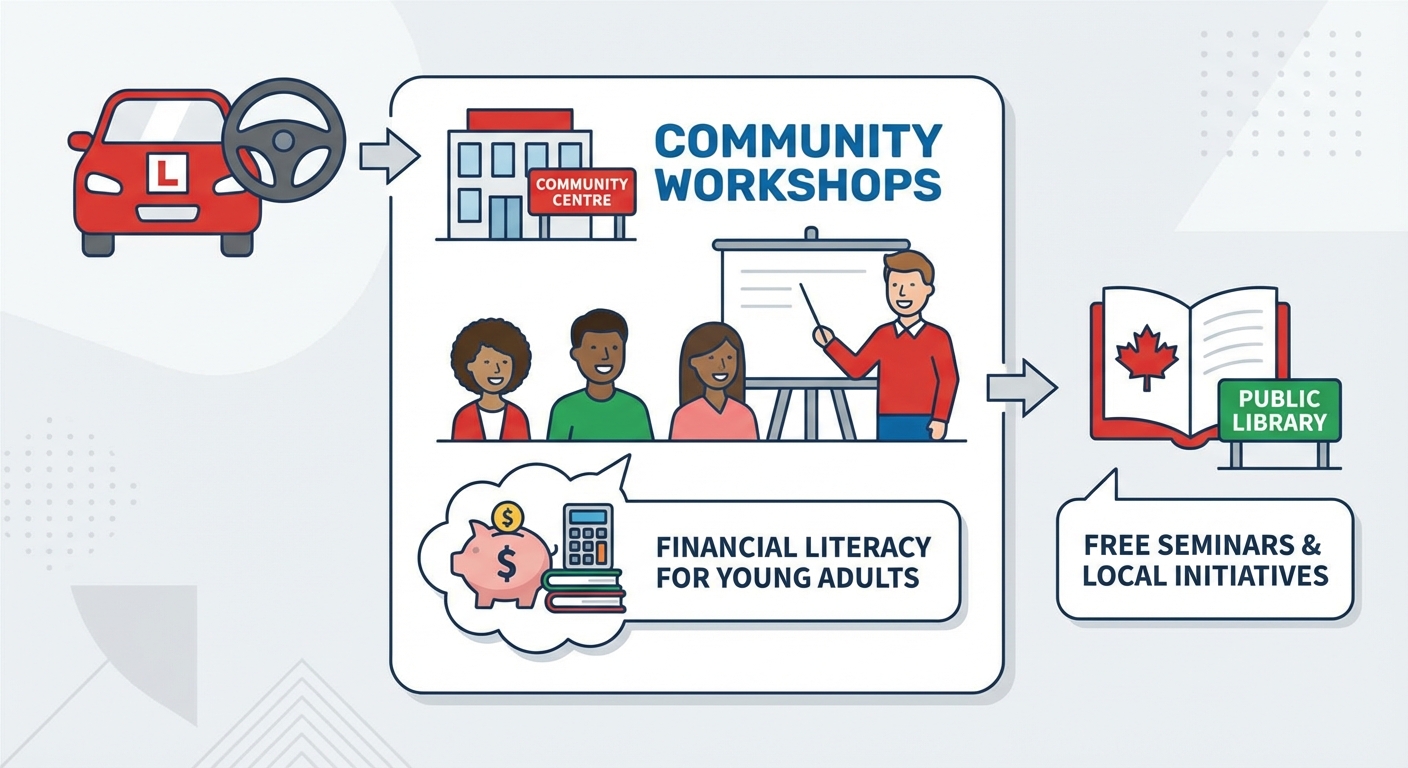
- Community Workshops: Keep an eye out for local initiatives focused on financial literacy for young adults. Public libraries, community centres, and non-profit organizations occasionally host free seminars.
Pro Tip: Leverage Your Student Status
Many insurance providers, car dealerships, and even some banks offer specific discounts or programs for students. Always ask if there are student-specific incentives available – it could save you significant money on premiums, interest rates, or even vehicle purchases in Edmonton!
Your Keys to Independence: The Next Steps for Your Edmonton Car Loan Journey
The path to securing a solo car loan as a student in Edmonton is well within reach. It requires preparation, diligence, and a clear understanding of your financial landscape. Remember, this isn't just about getting a car; it's about taking a significant step towards financial independence and building a solid credit foundation for your future.
Here are your immediate next steps:
- Review your budget and current financial standing: Get a clear picture of your income, expenses, and existing debts.
- Gather all necessary documentation: Prepare your proof of identity, residency, income, and enrollment.
- Research and compare lenders in Edmonton and across Alberta: Don't settle for the first offer. Explore banks, credit unions, and dealership financing.
- Understand and negotiate loan terms: Focus on the APR, loan term, and any associated fees.
- Make an informed decision about your vehicle choice: Prioritize reliability, fuel efficiency, and suitability for Edmonton's climate within your budget.
With careful planning and the right information, you can confidently secure your car loan and unlock the freedom and convenience of independent transportation in Edmonton. Your library card is enough to start your knowledge journey, and with these steps, you'll find it's enough to start your car loan journey too.